


Solid parquet
A solid parquet floor is made from a single piece of wood, a single type of wood. Solid parquet is more resistant because it is made from 100% of the same wood throughout its width and thickness. A natural product by excellence, it only needs to be sanded and finished to look as good as new, without having to change your entire floor.
 Filters
Refresh
Filters
Refresh
 Support
  Aesthetics
  Dimensions
 Width in mm
Can't find what you're looking for?
Download the catalogue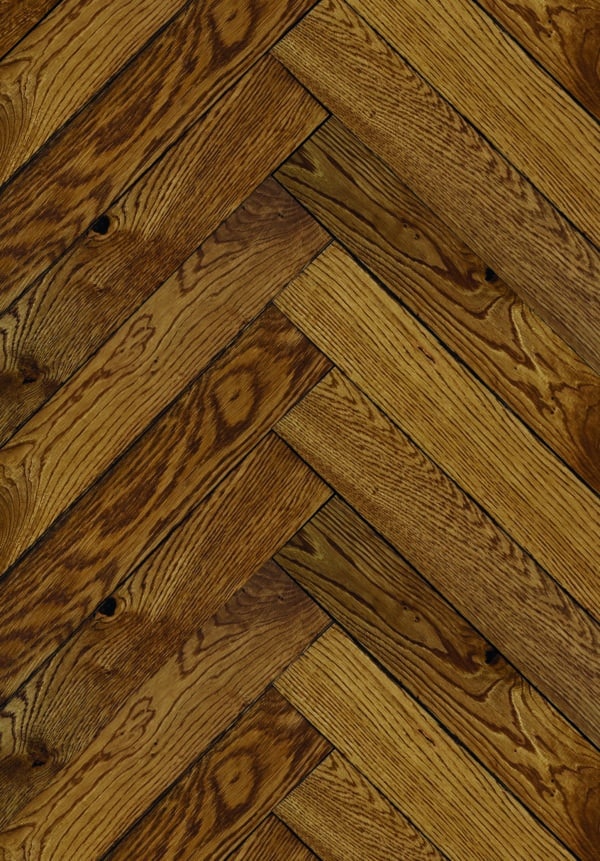
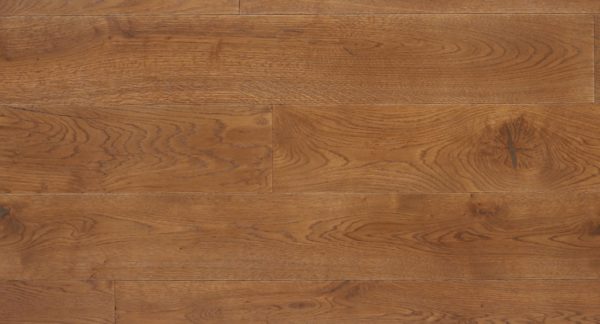
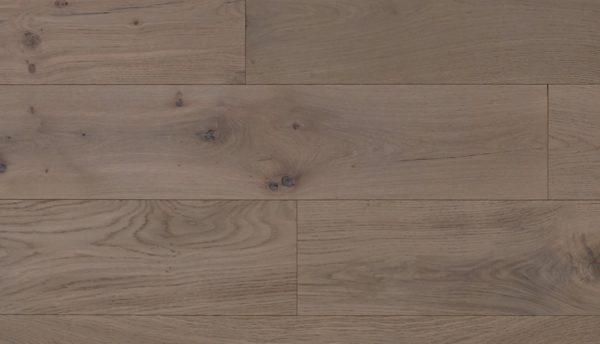
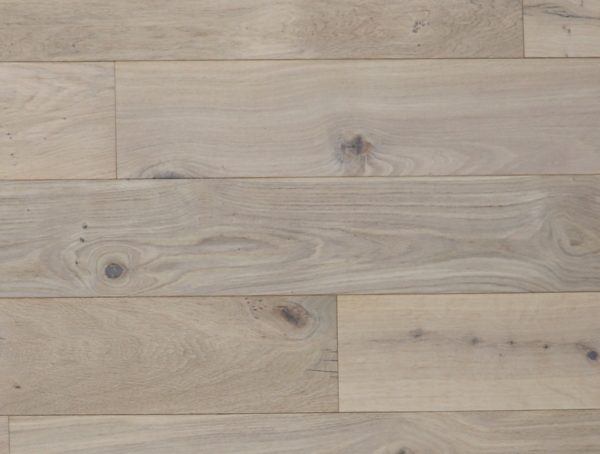
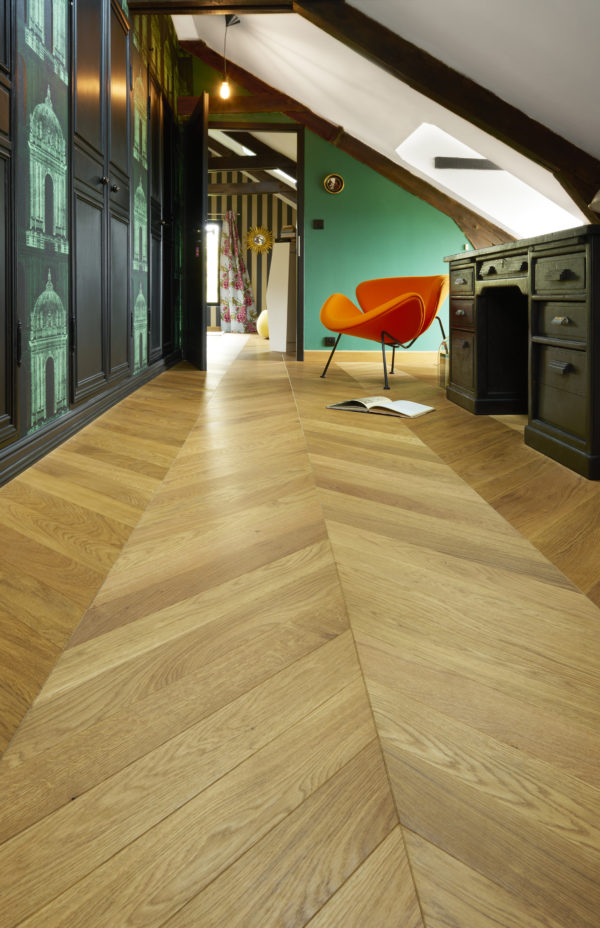
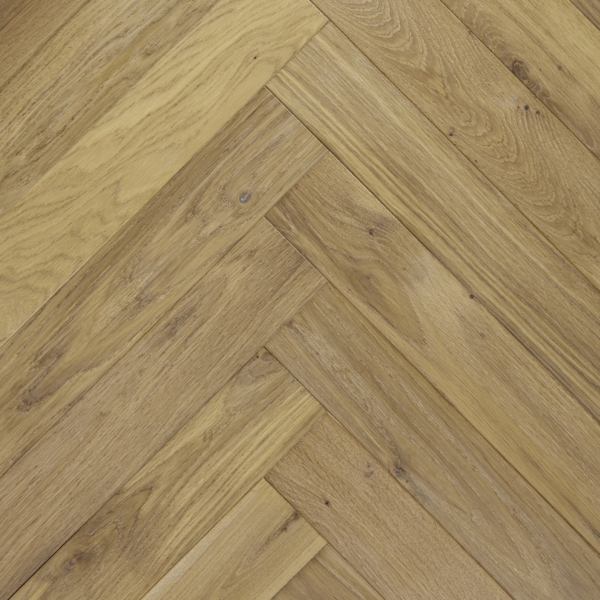
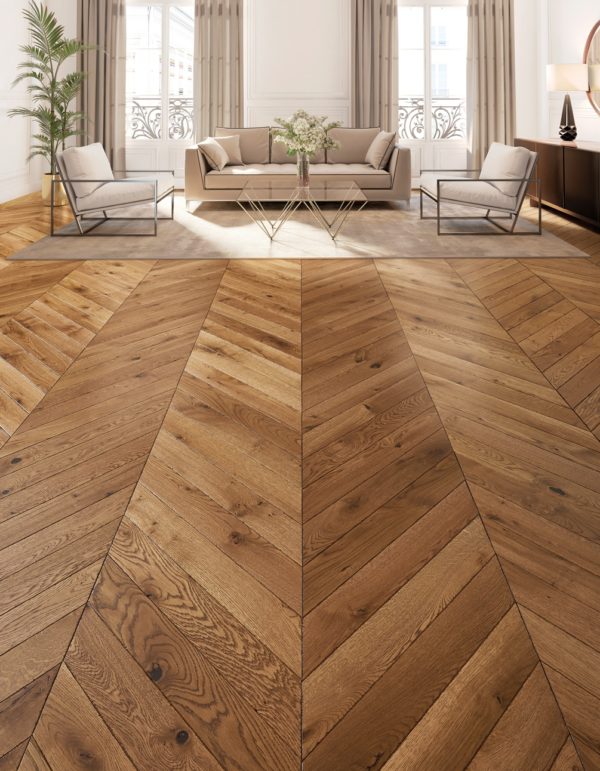
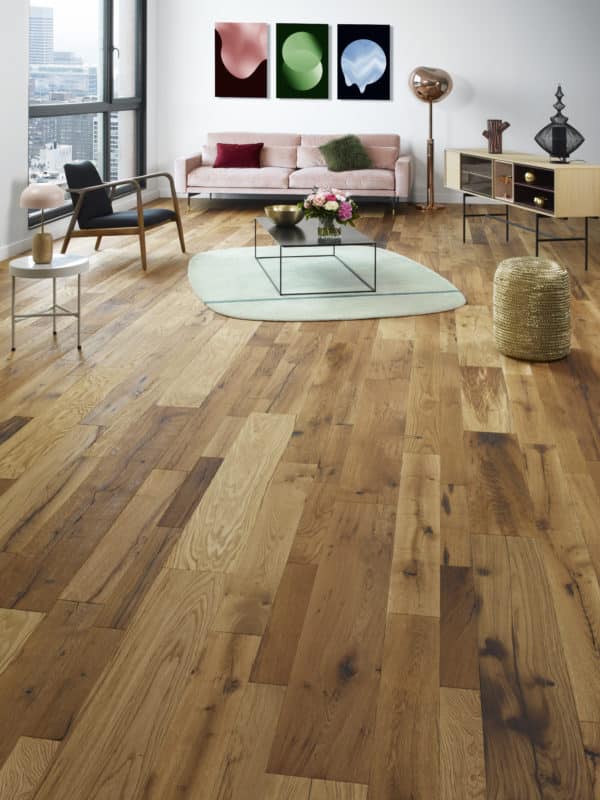
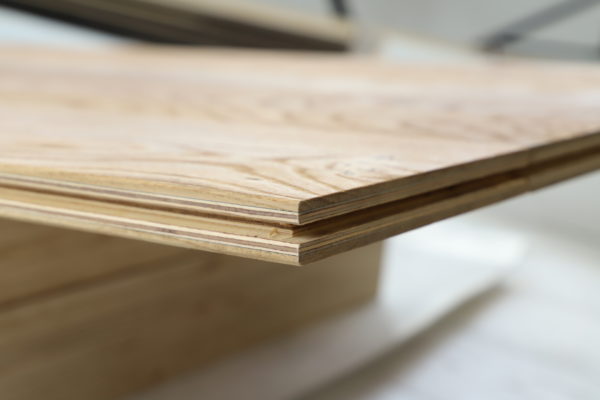
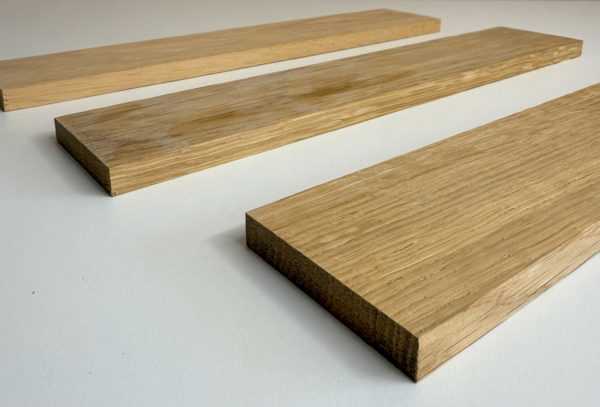

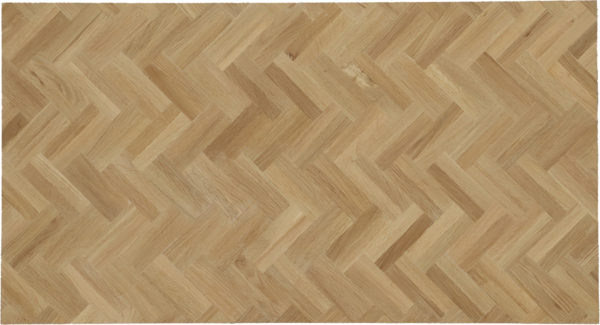
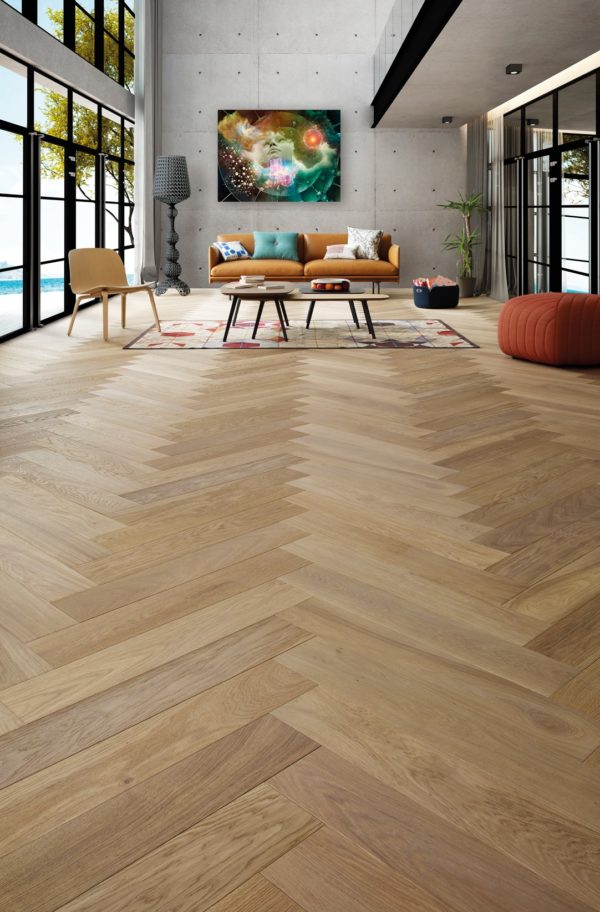
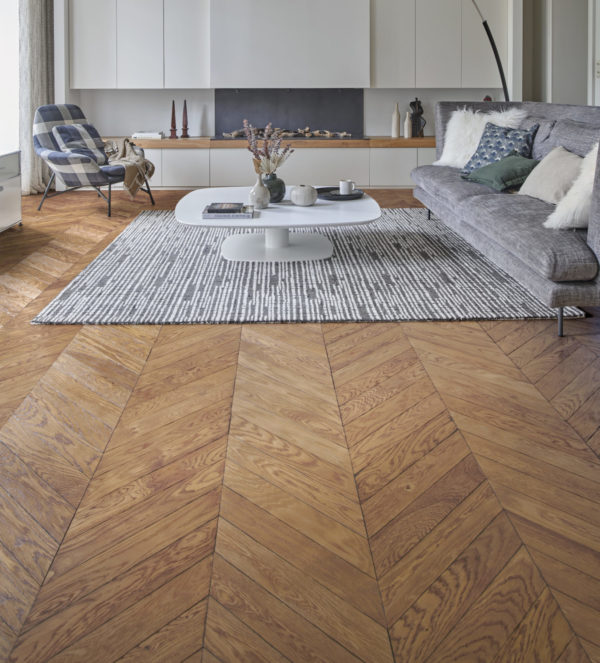
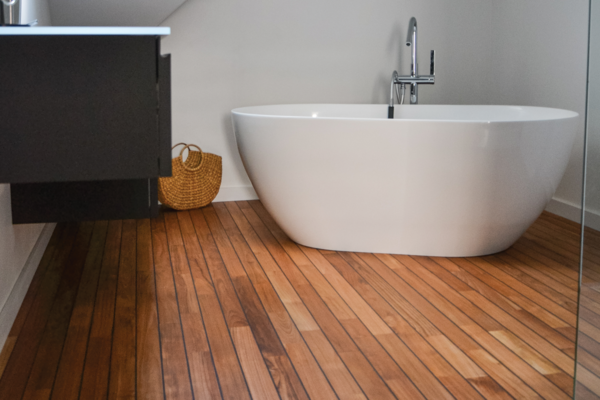
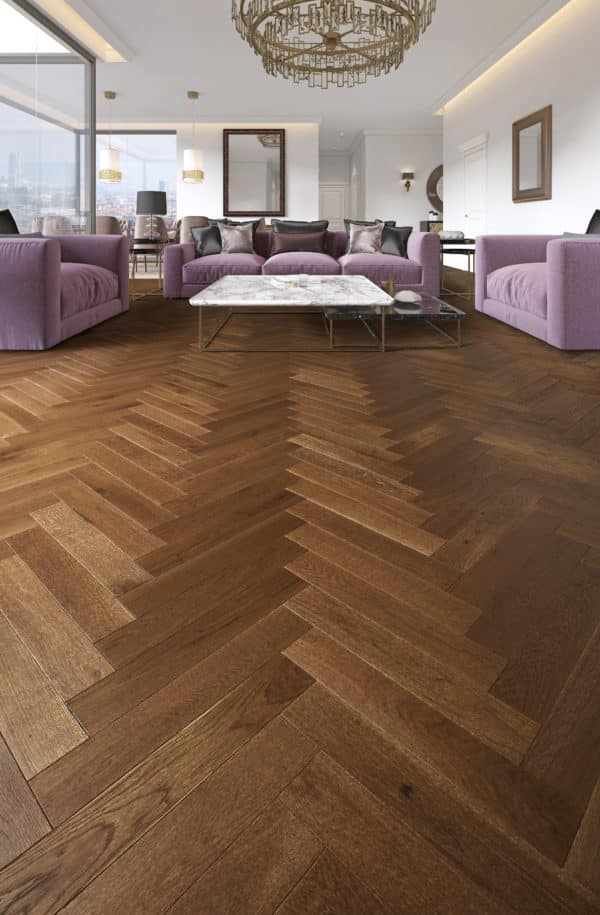
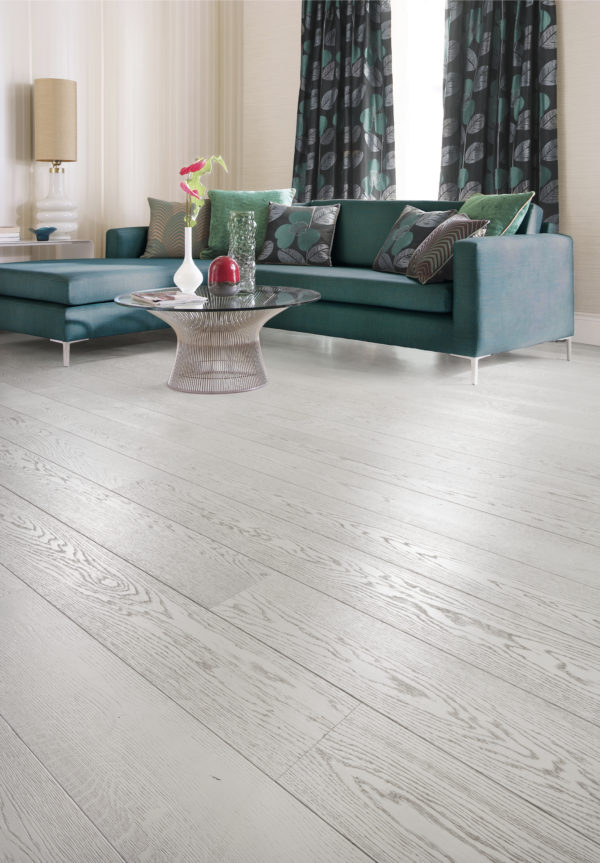
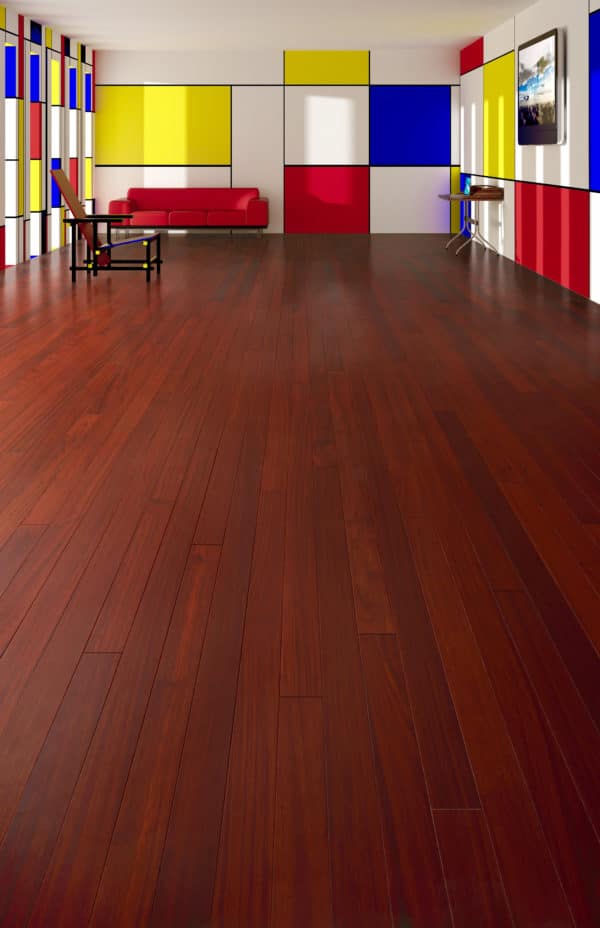
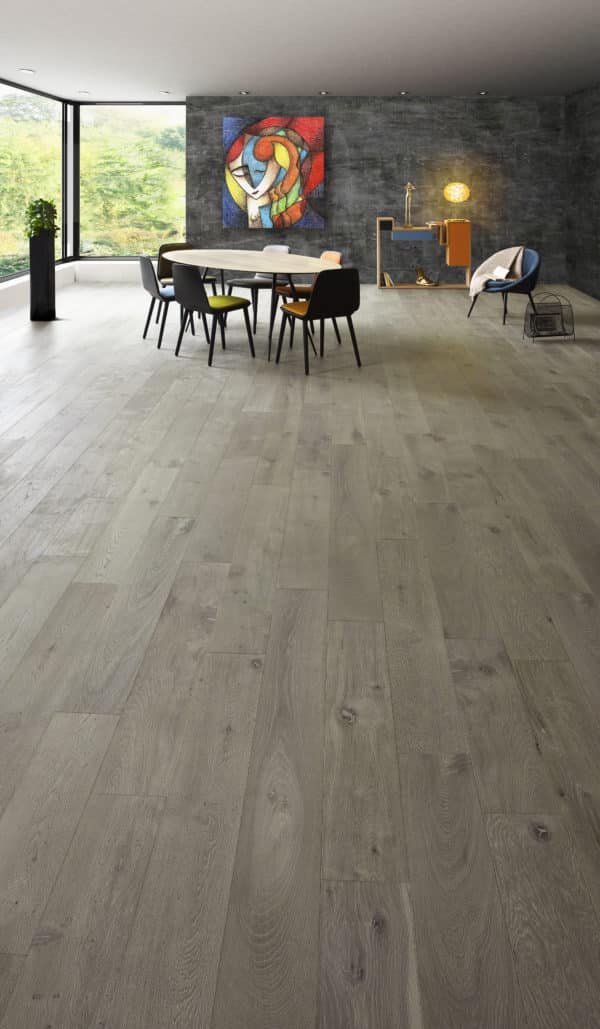
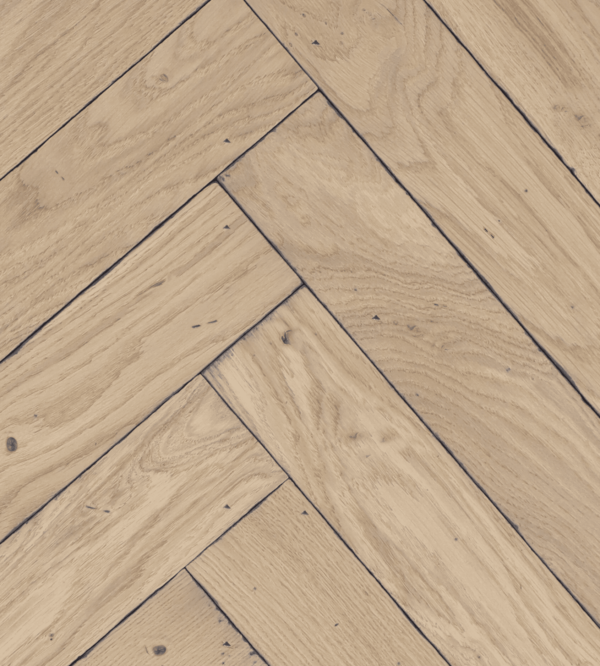
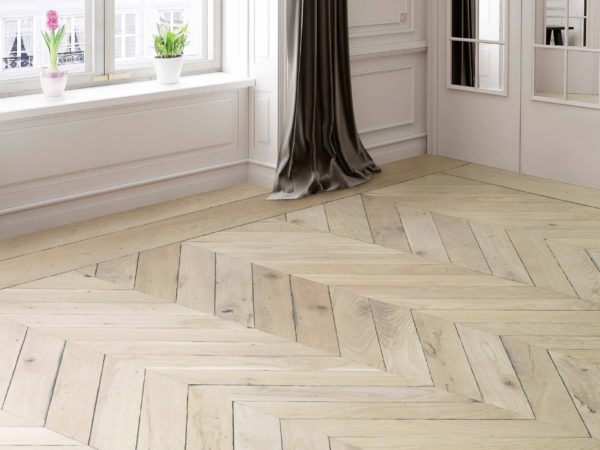
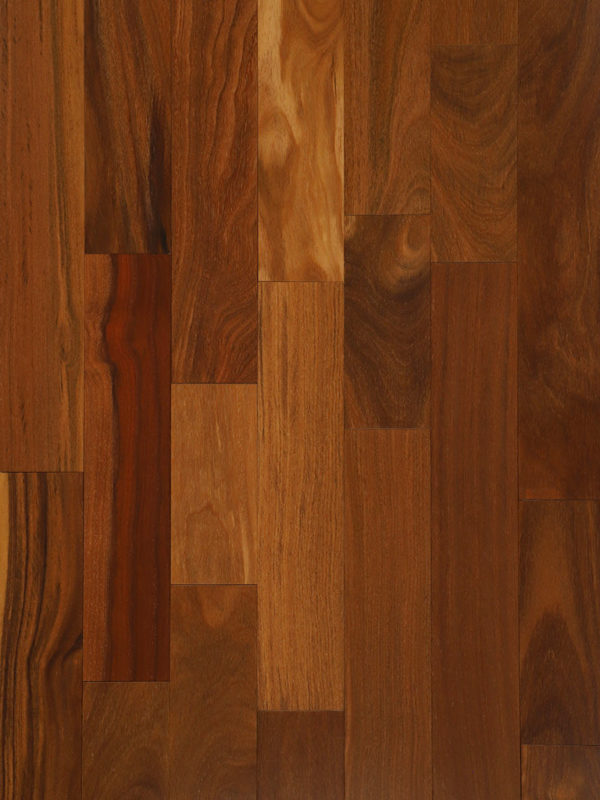
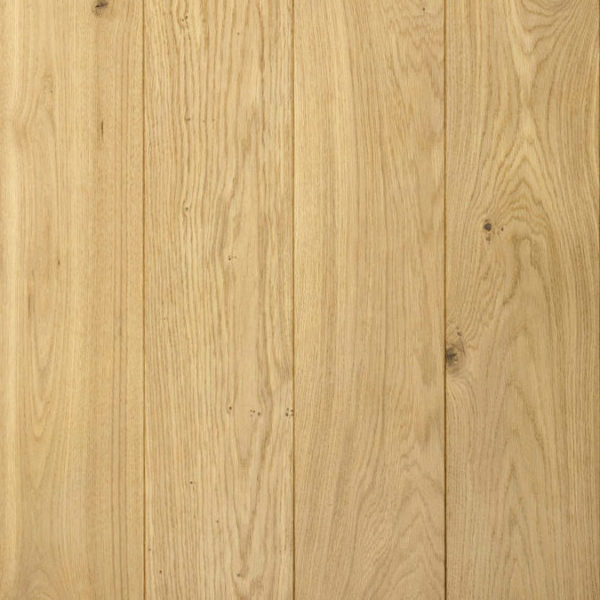
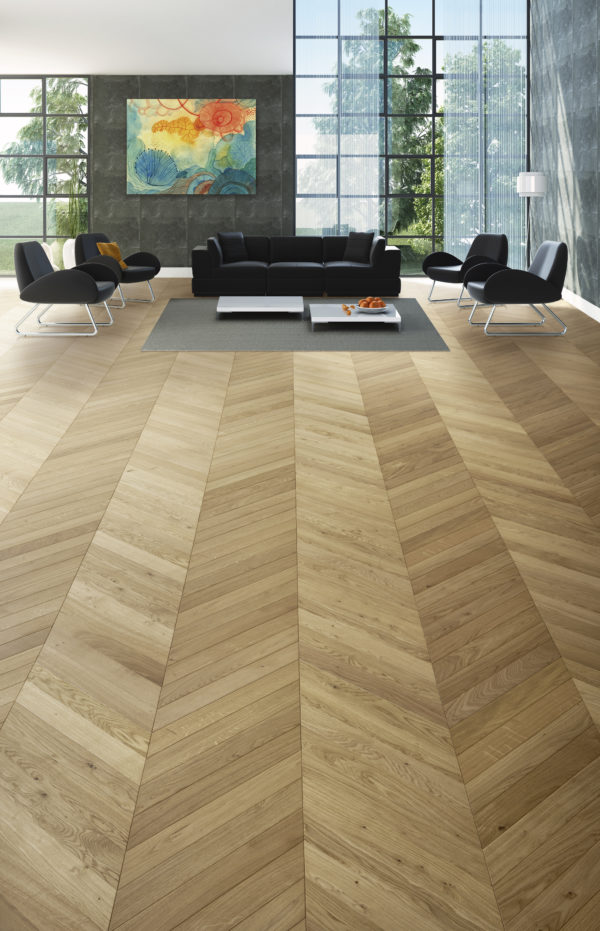
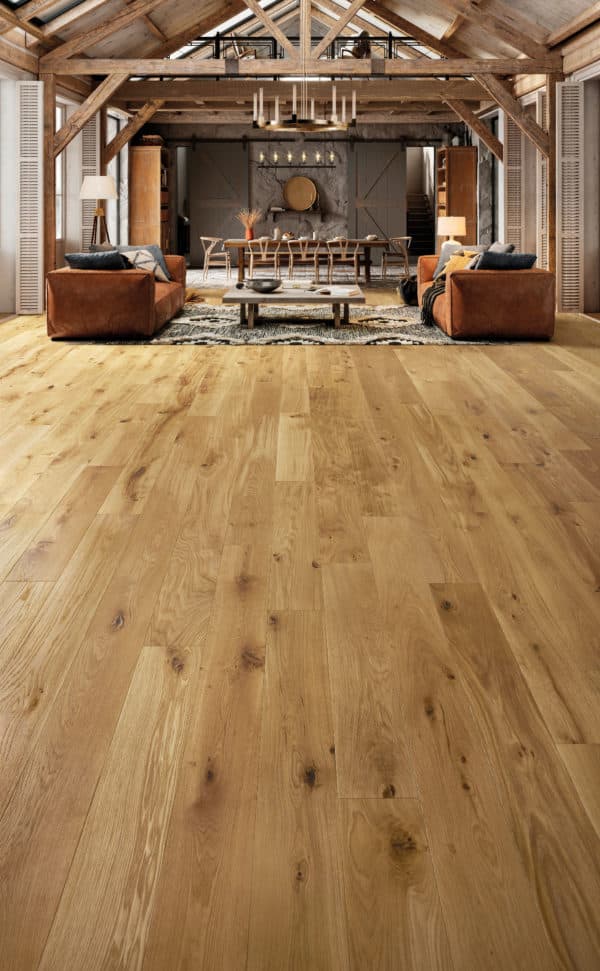
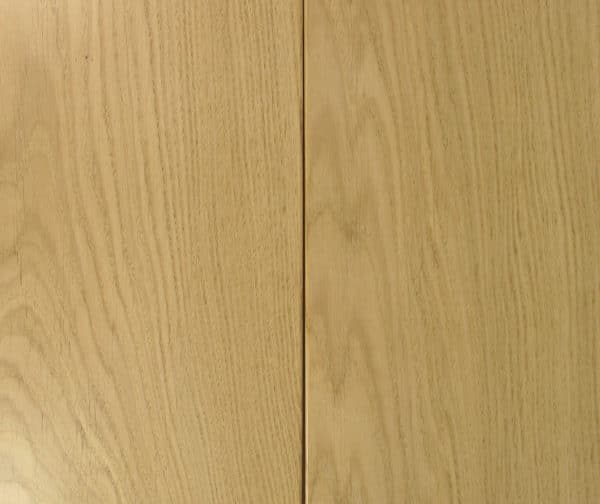
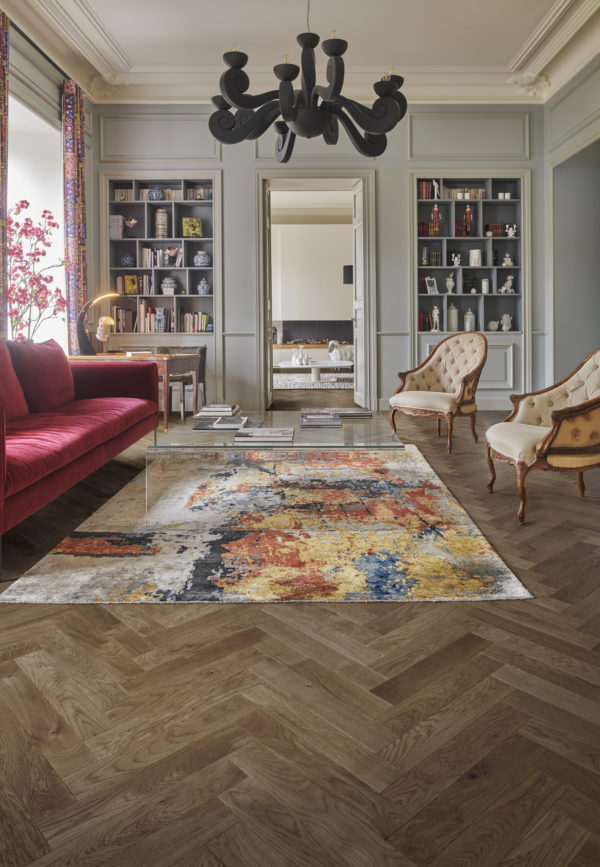
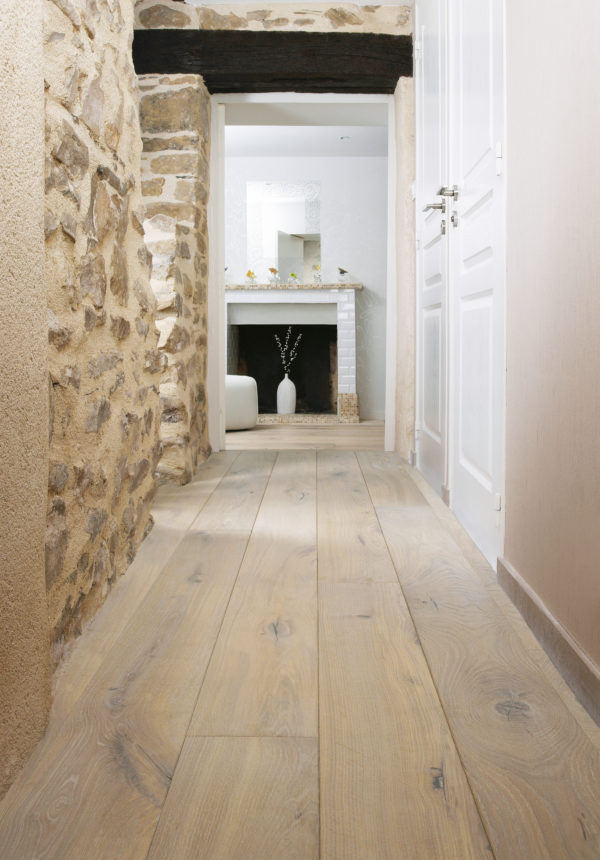
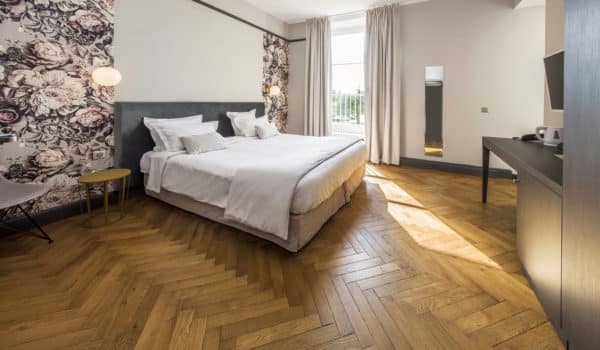
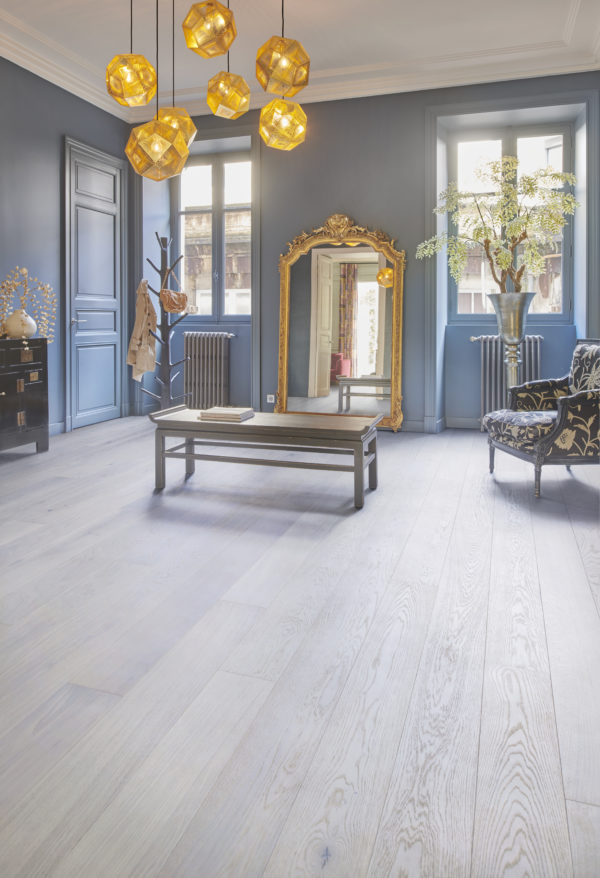

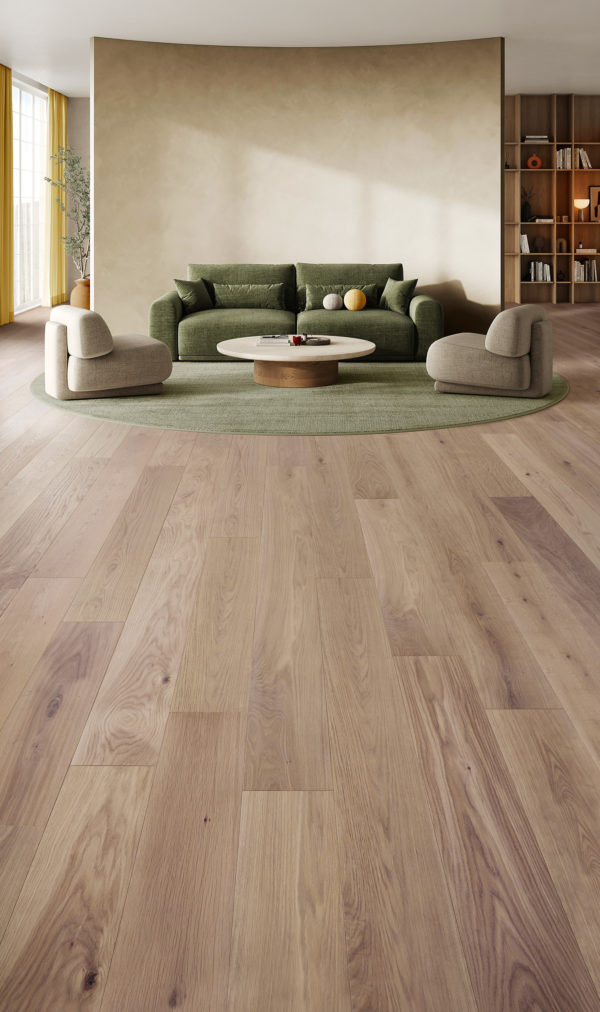
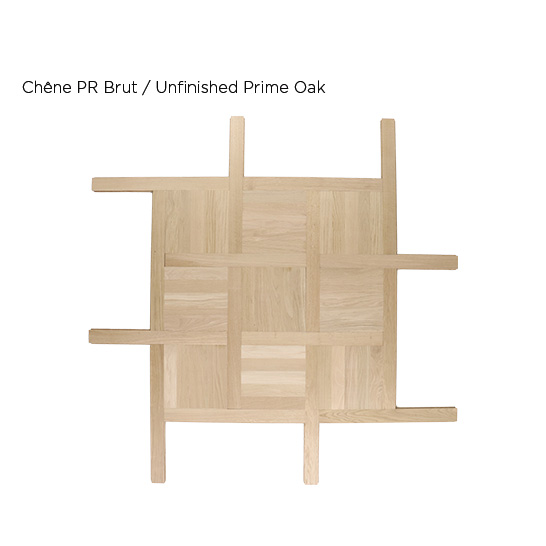
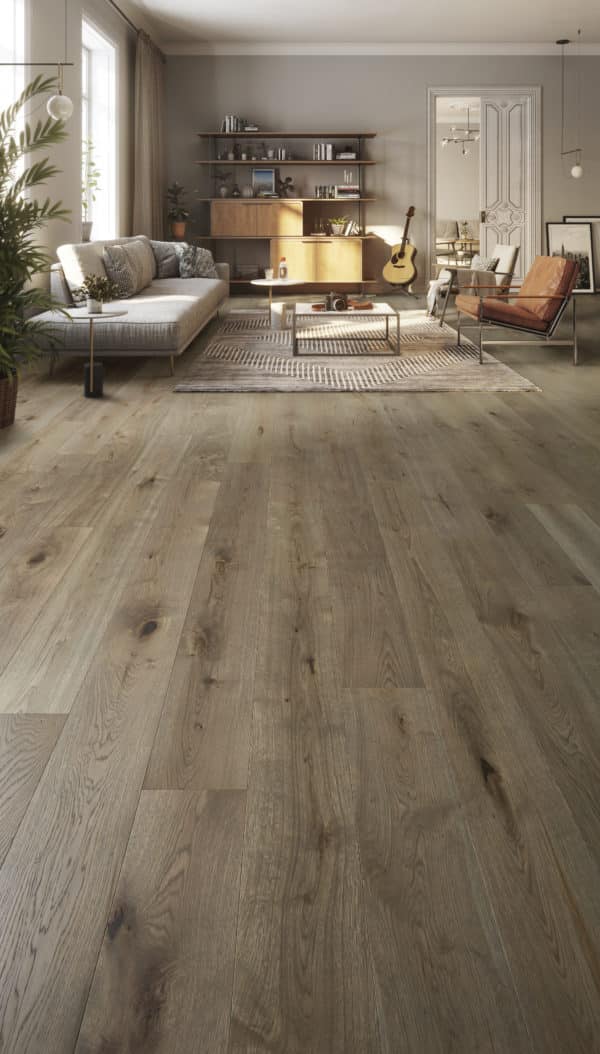
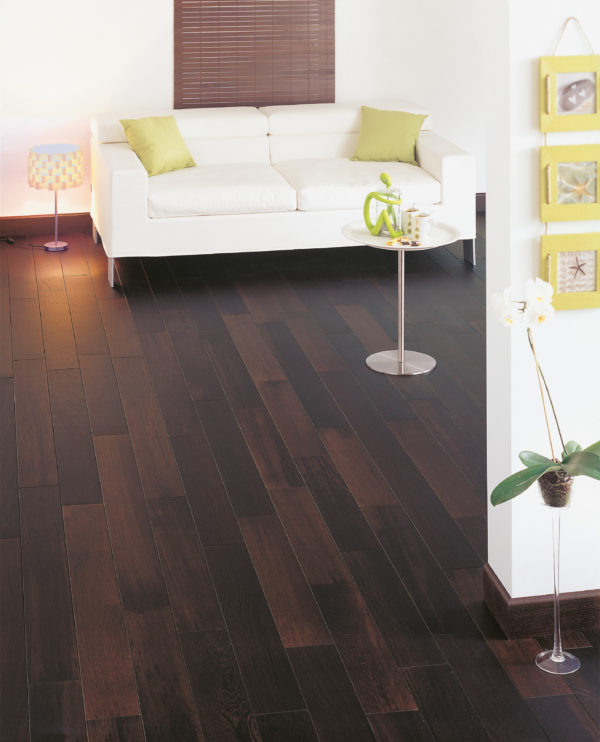
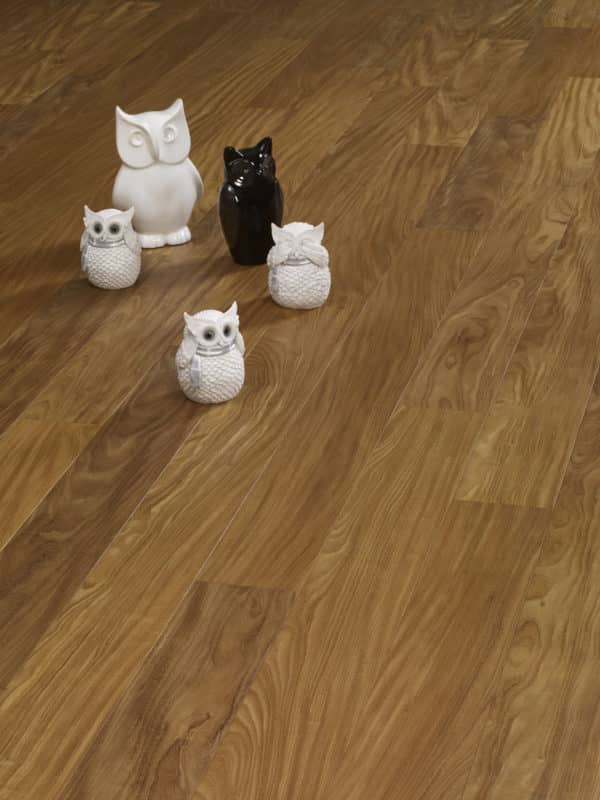
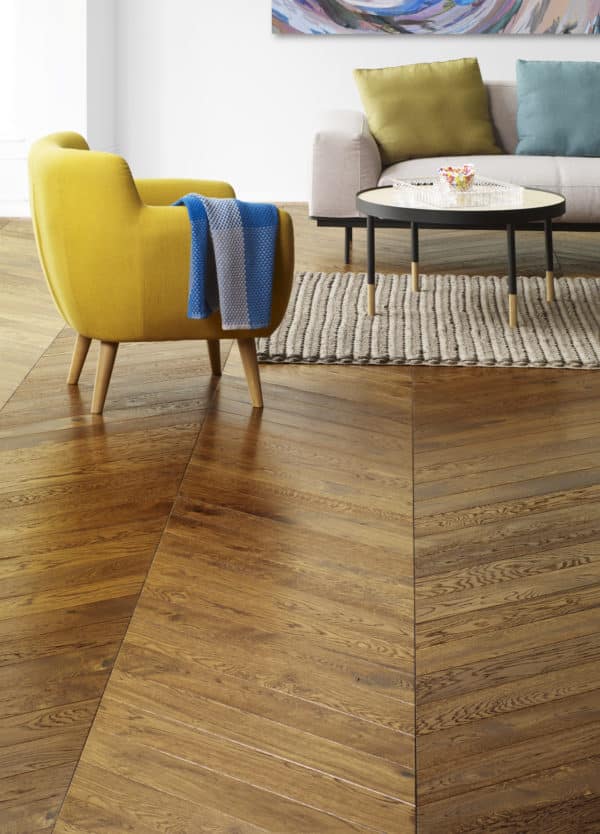
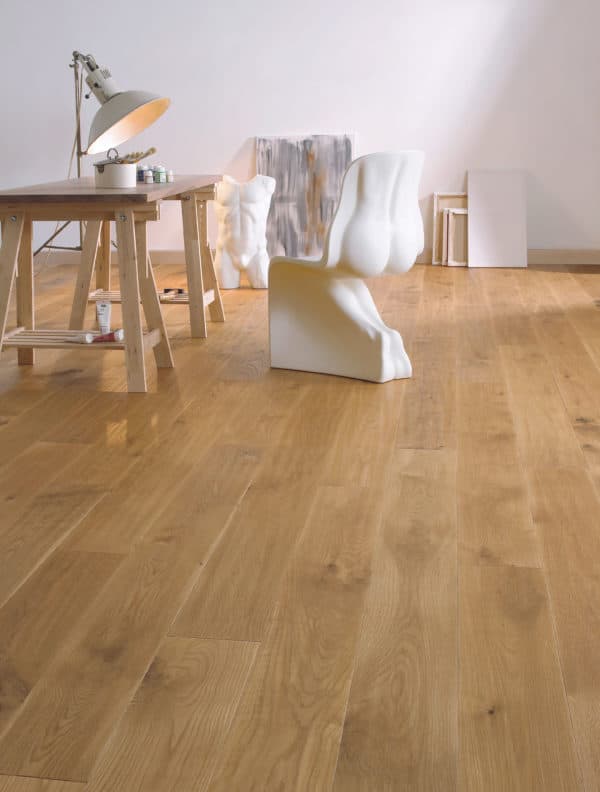
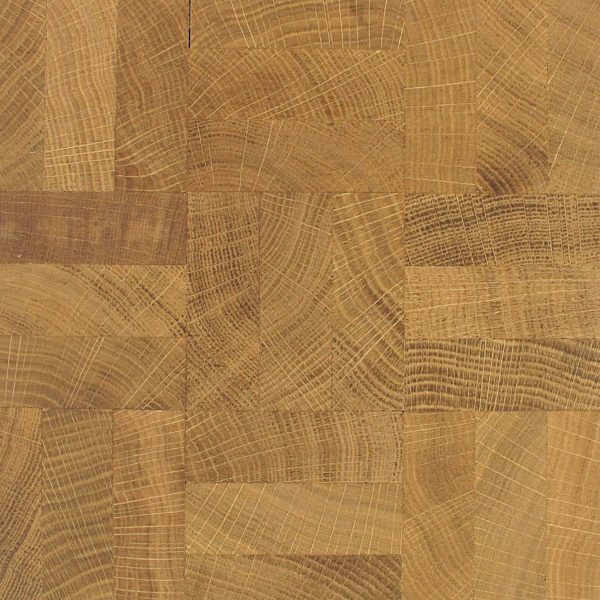
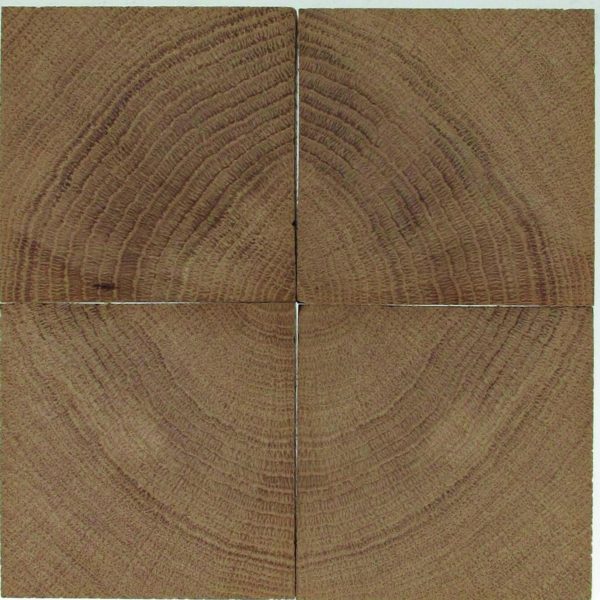
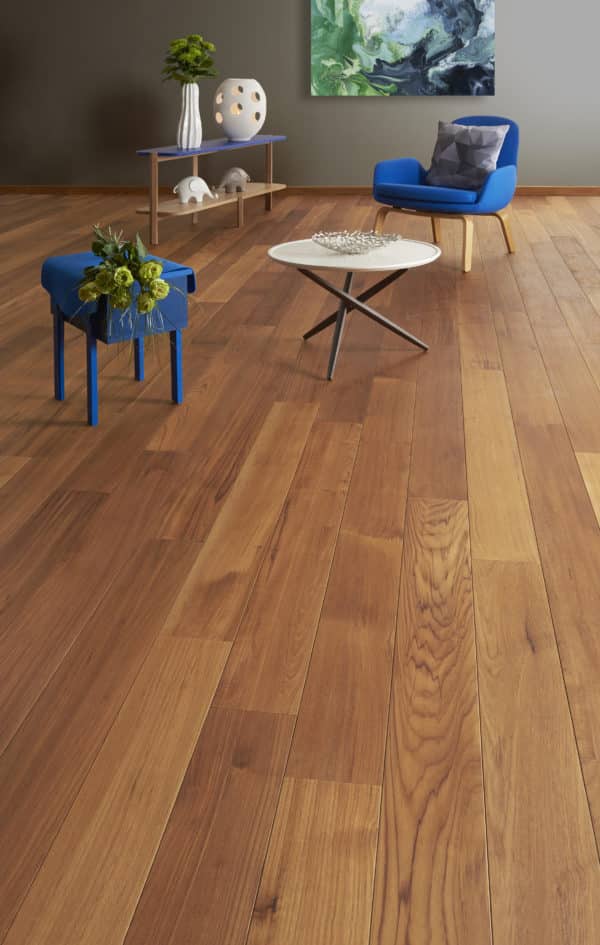
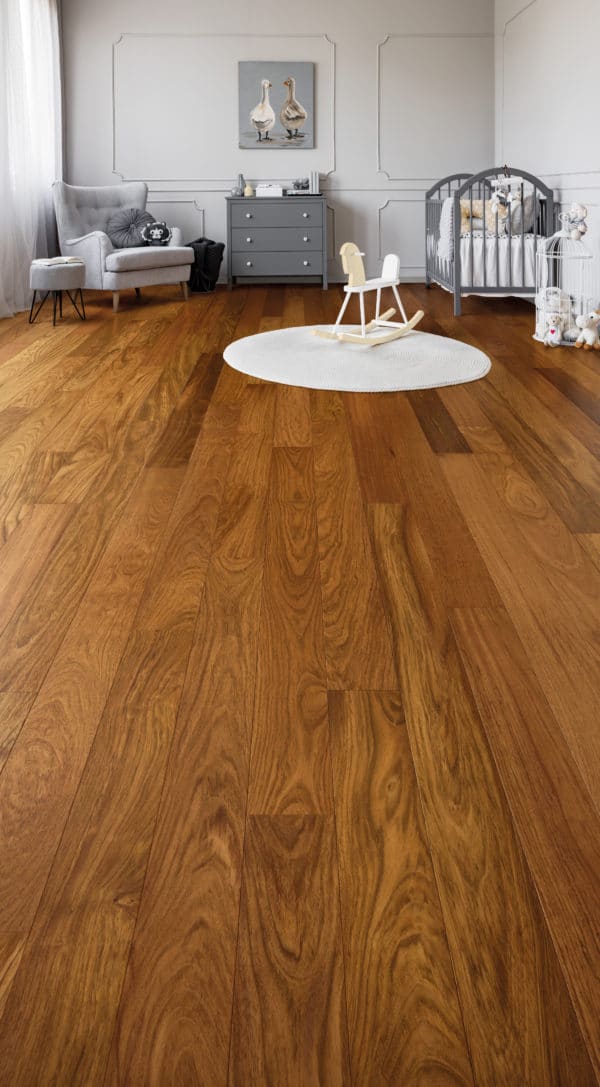
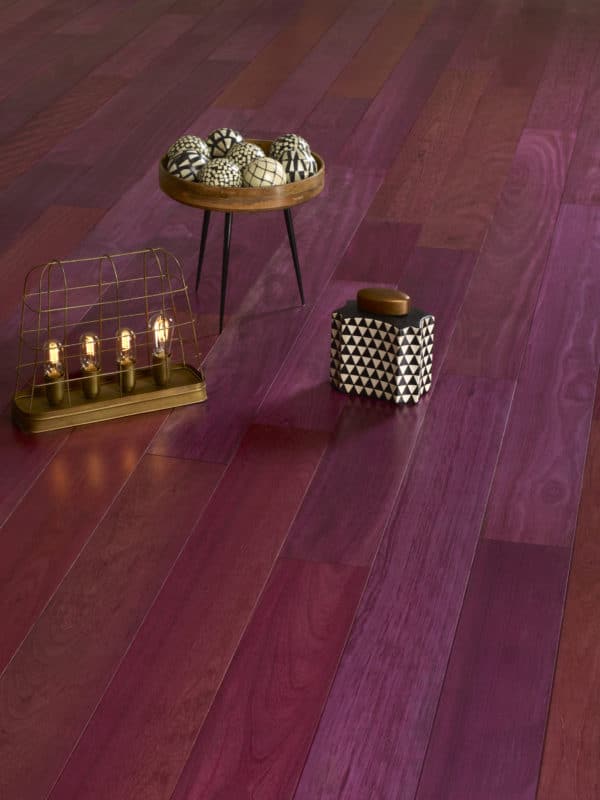
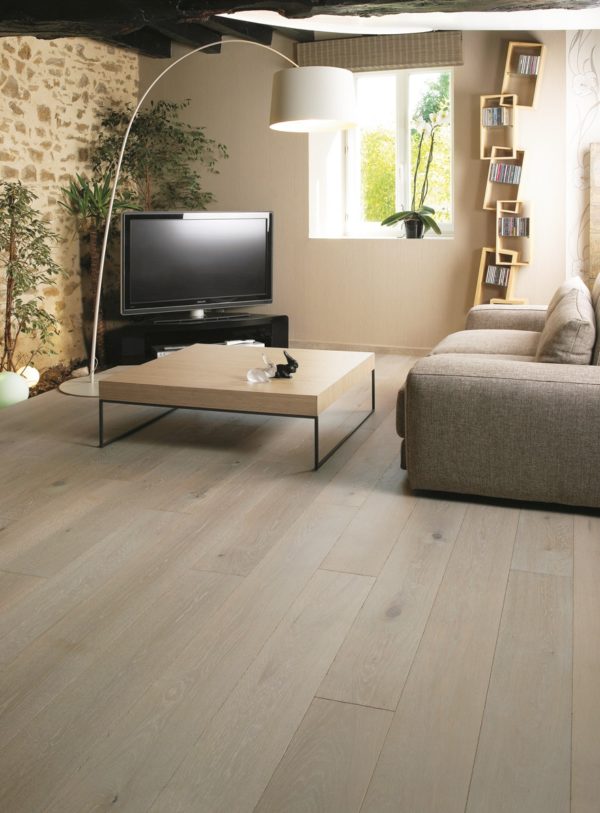
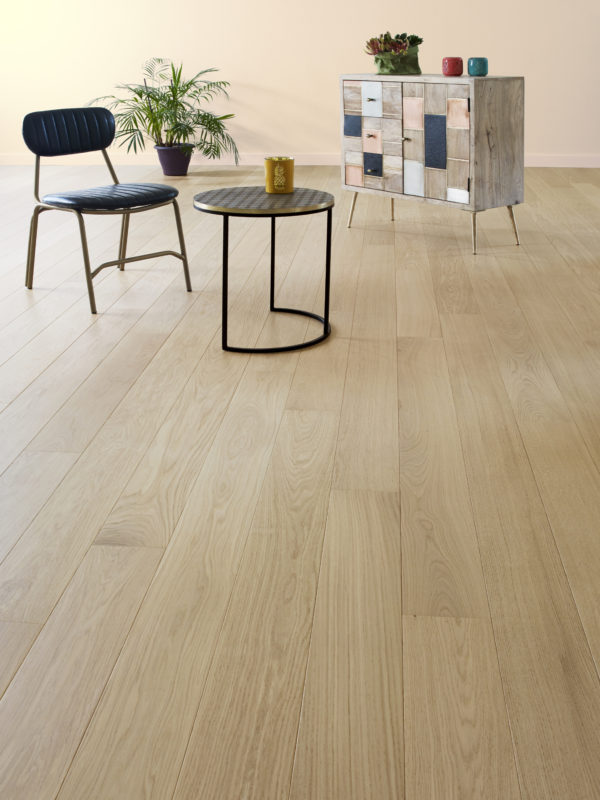
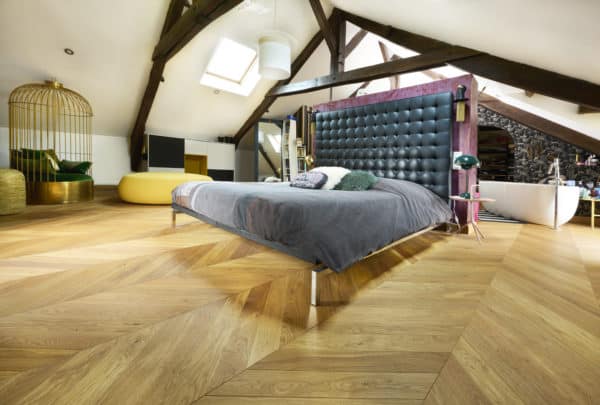
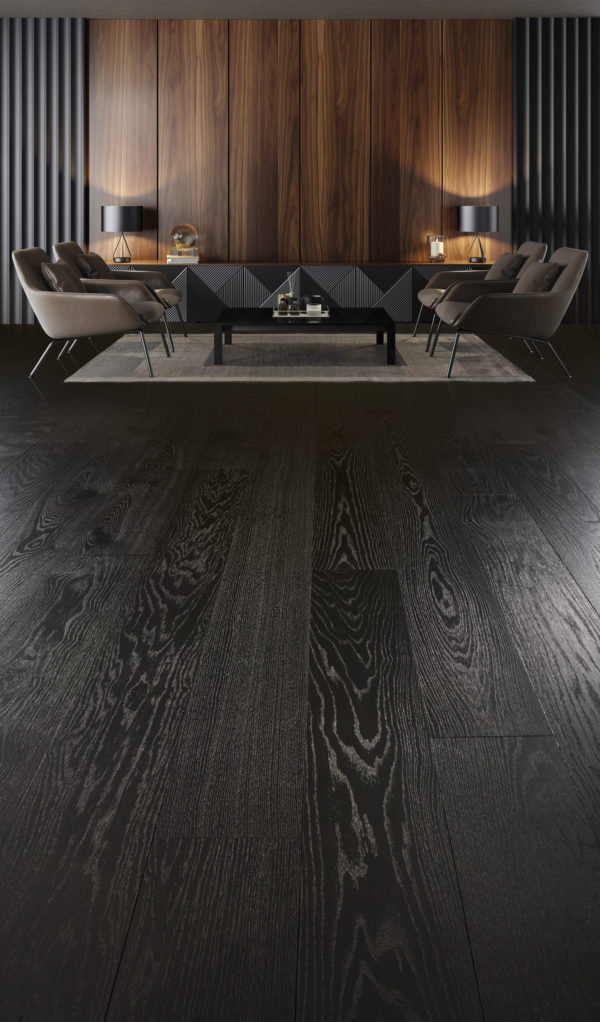
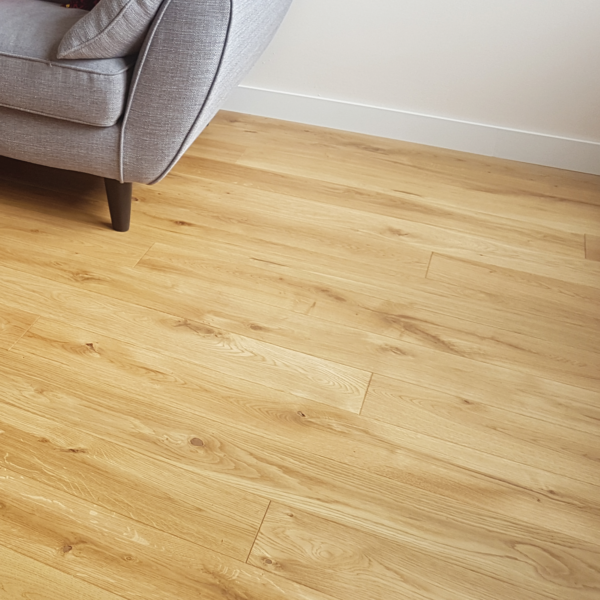
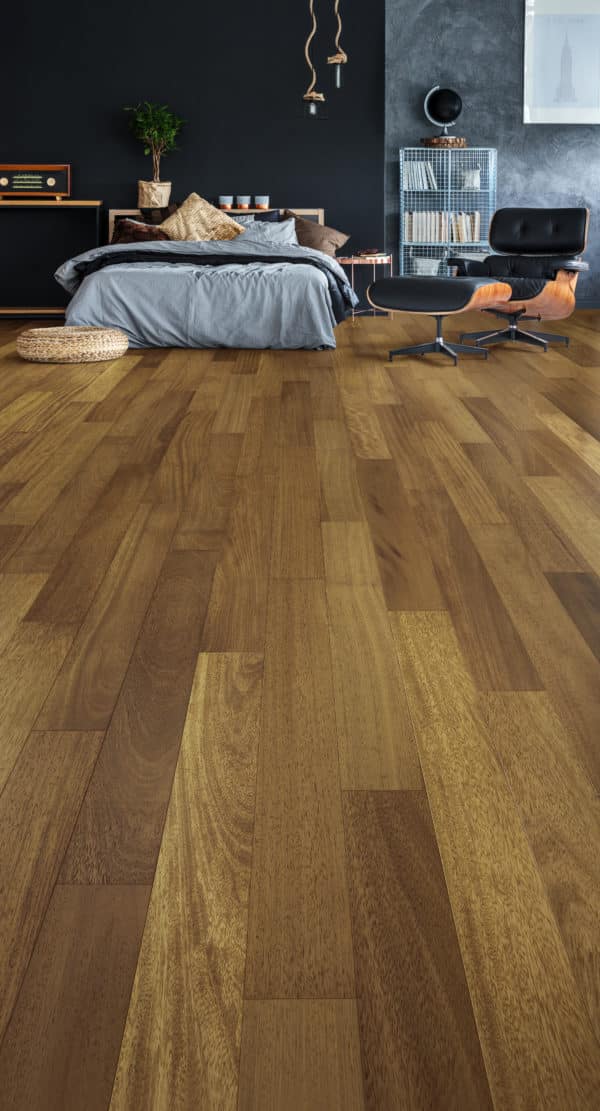
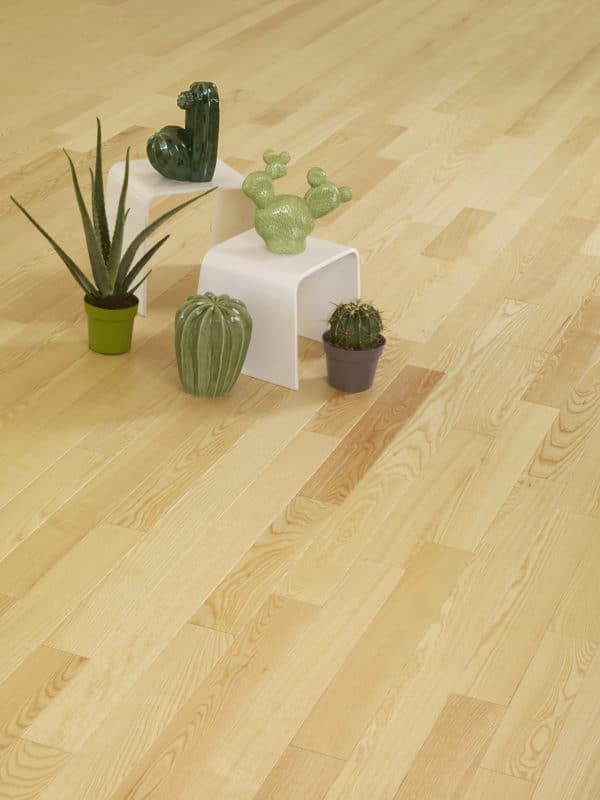
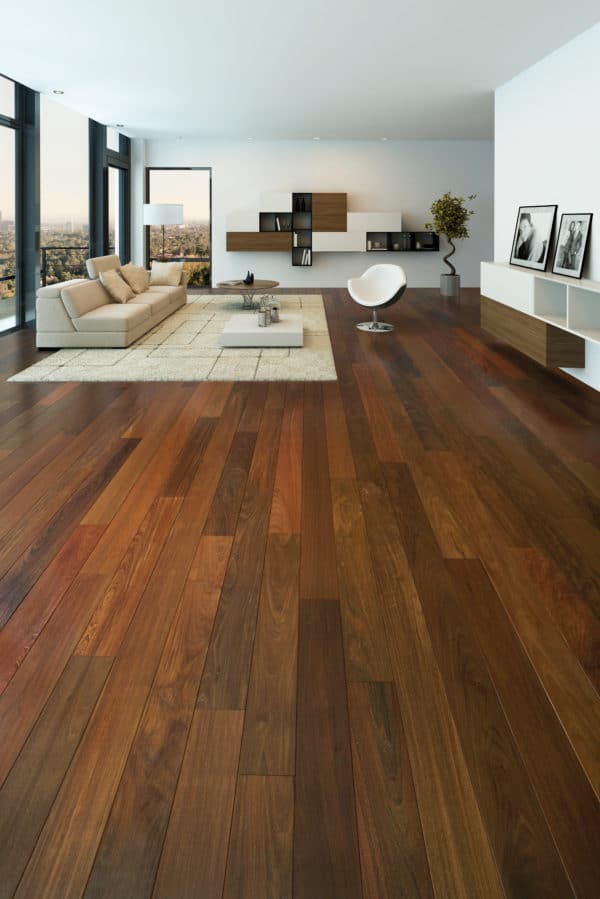
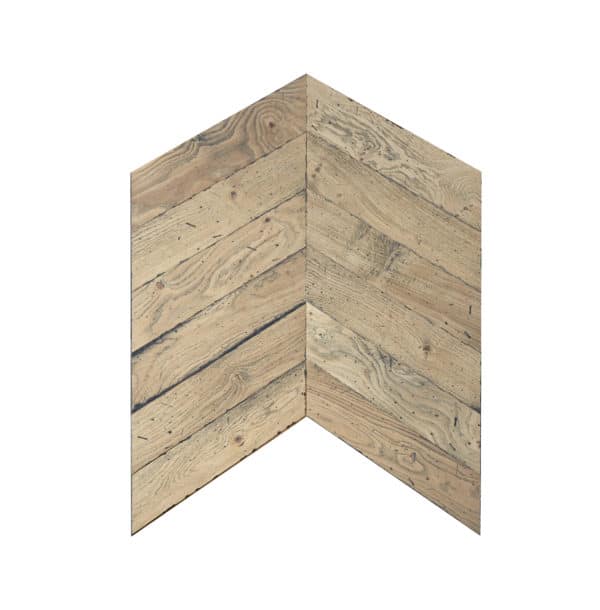
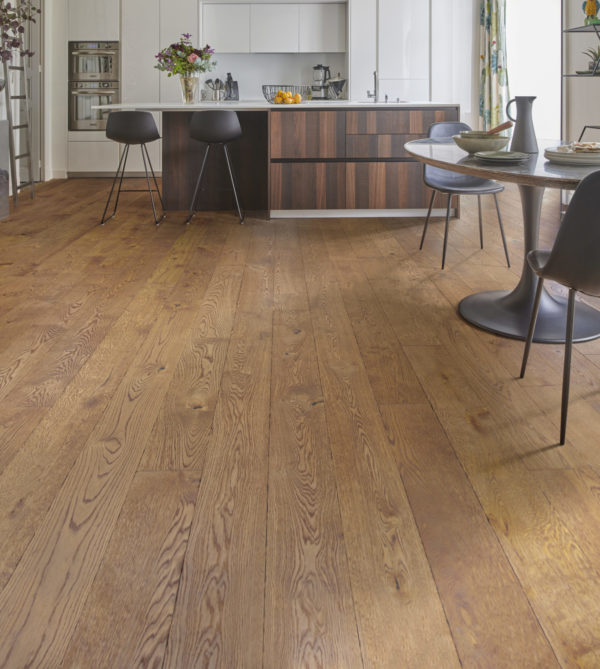
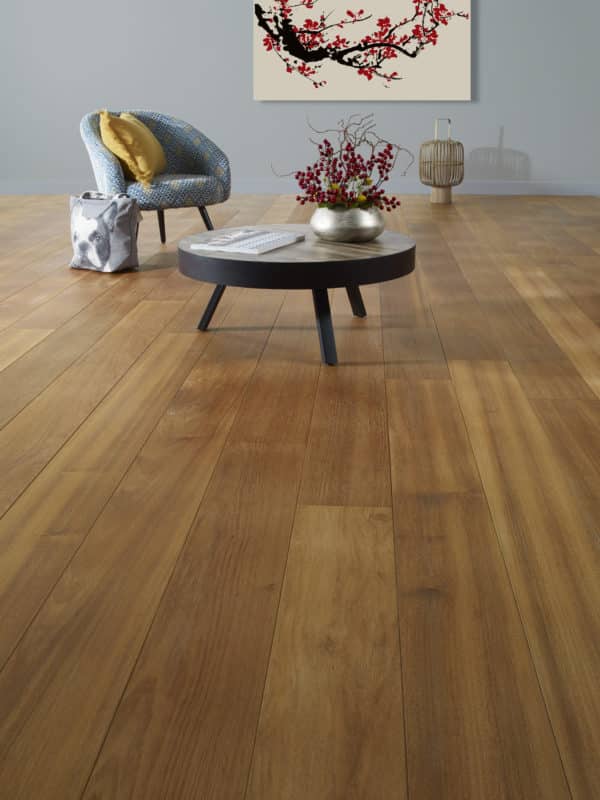
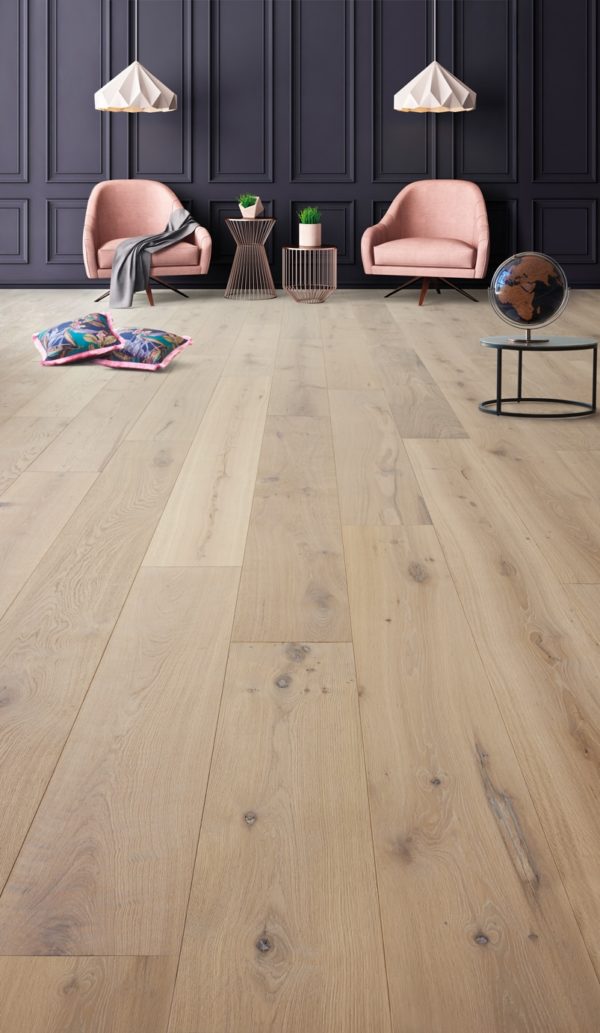
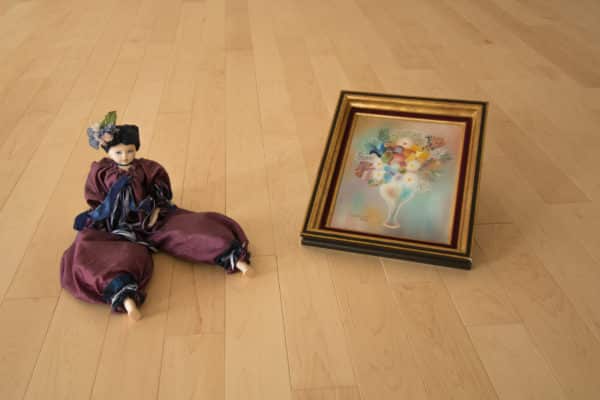
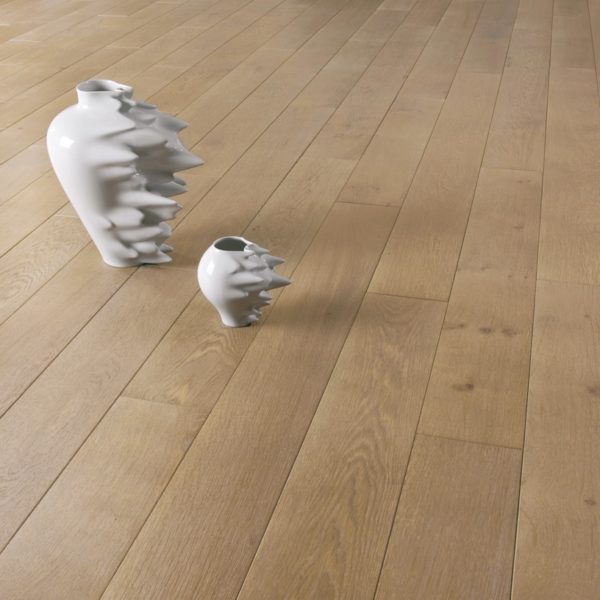
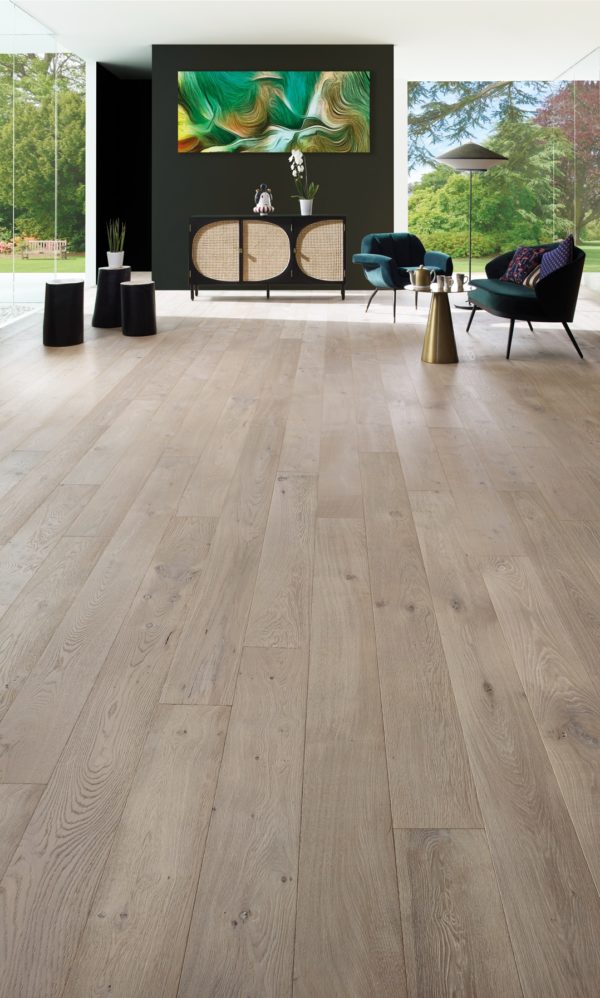
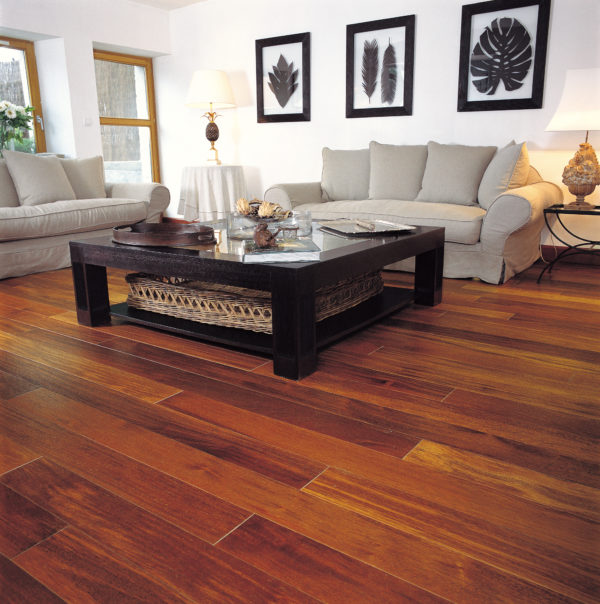
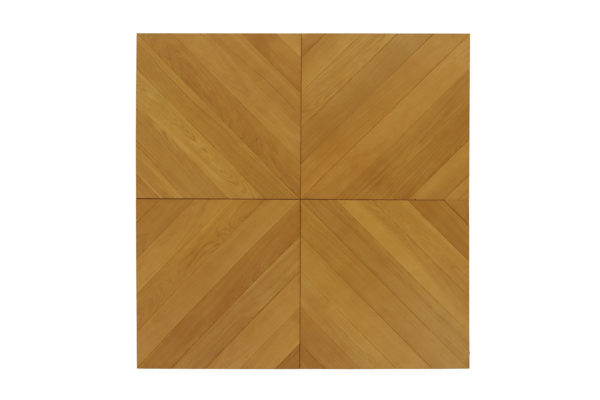
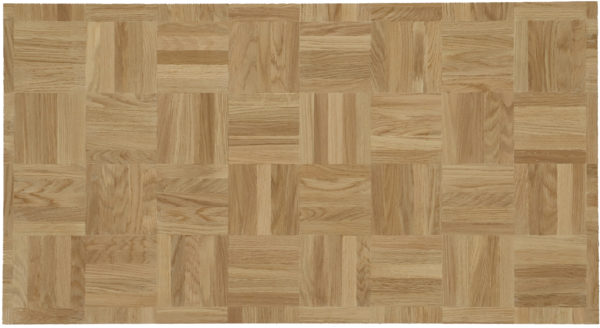
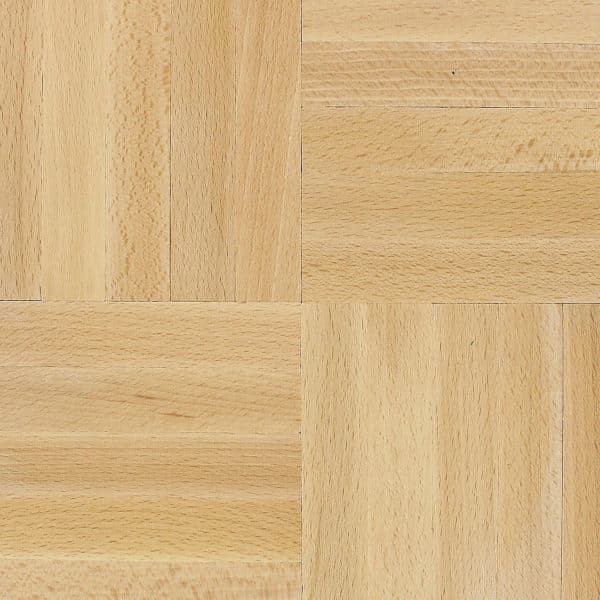

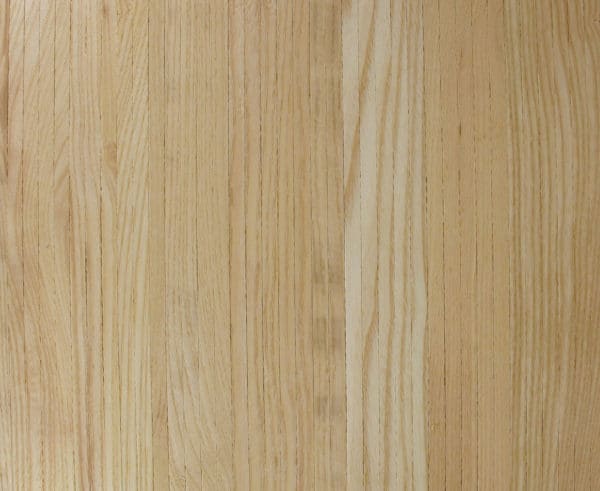
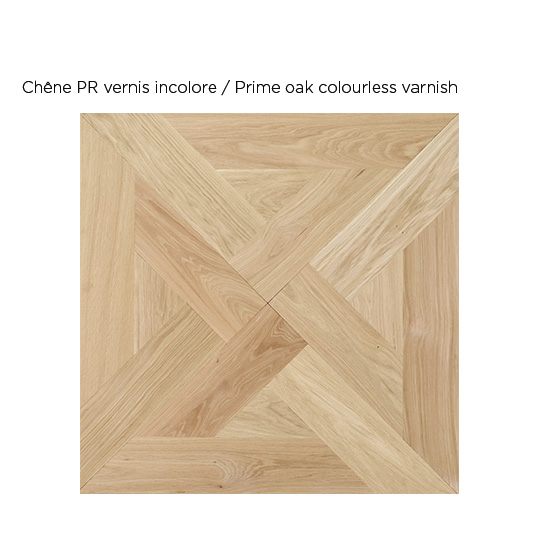
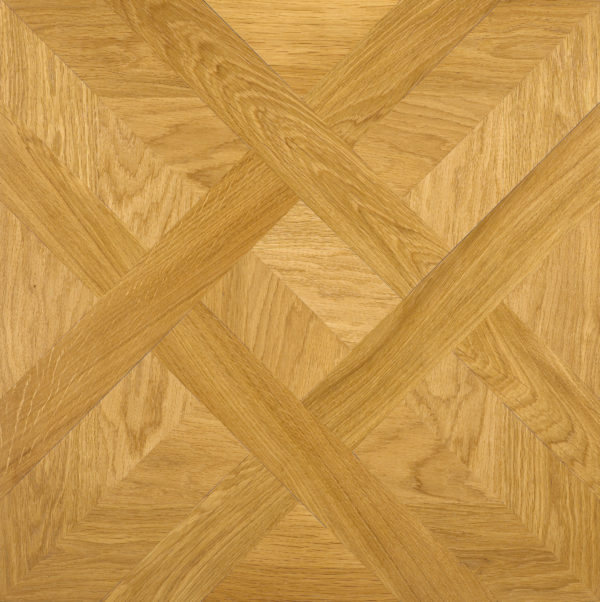
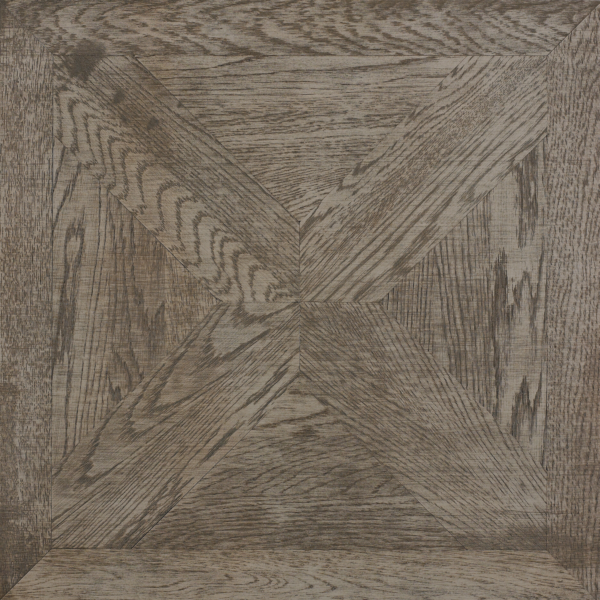
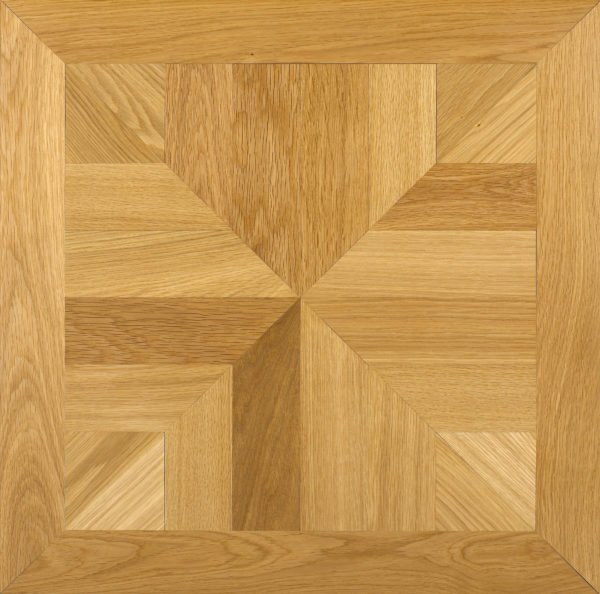
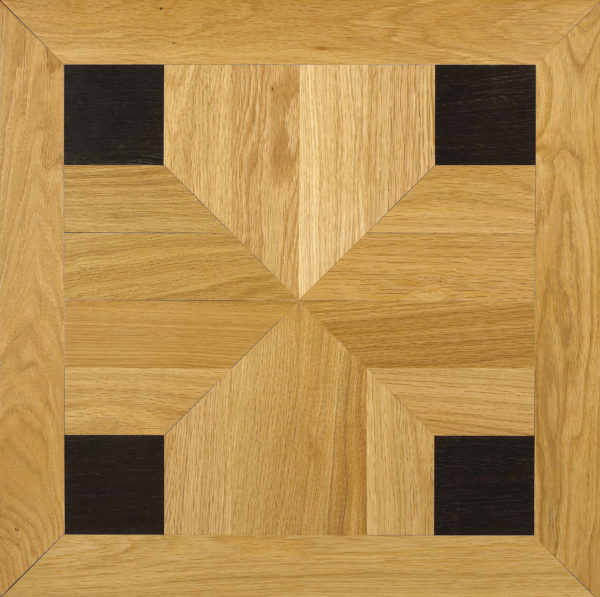
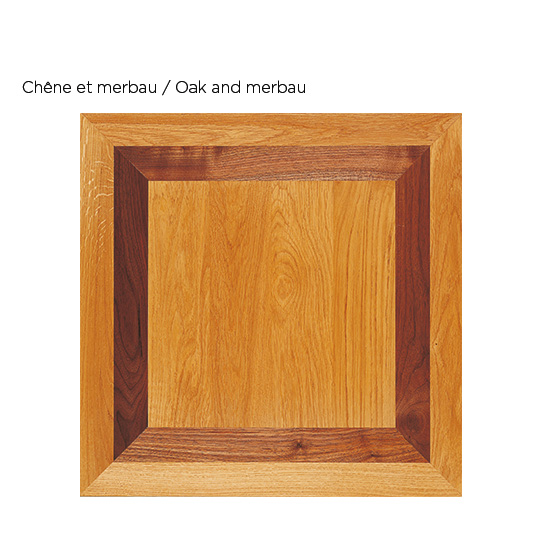
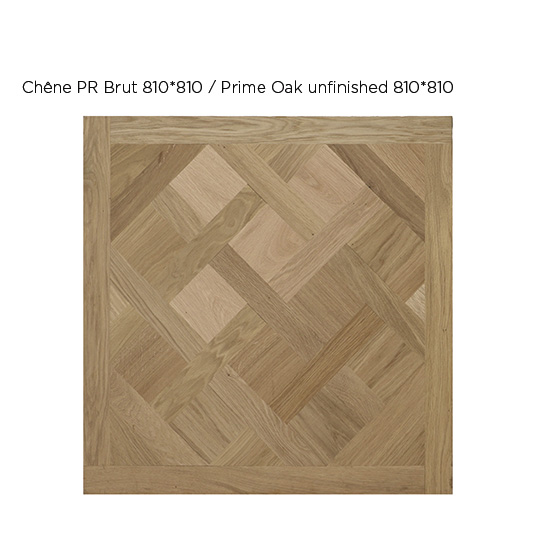
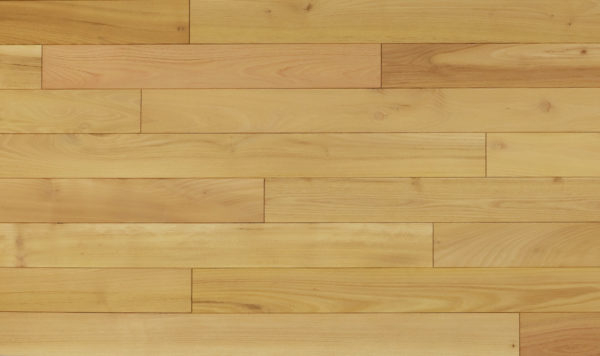
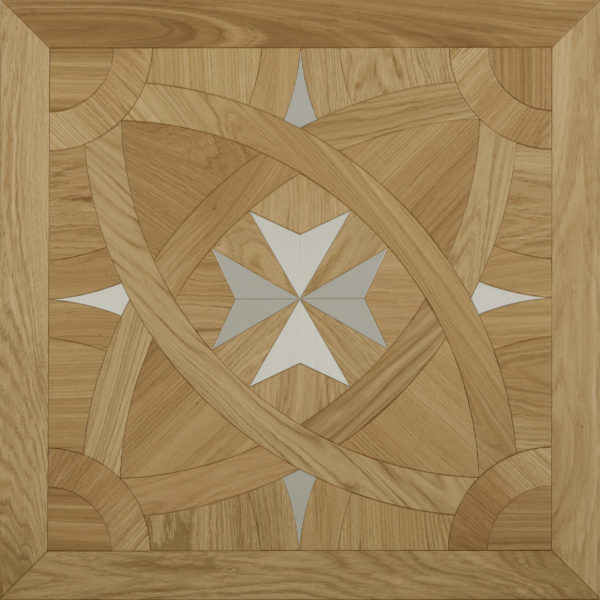
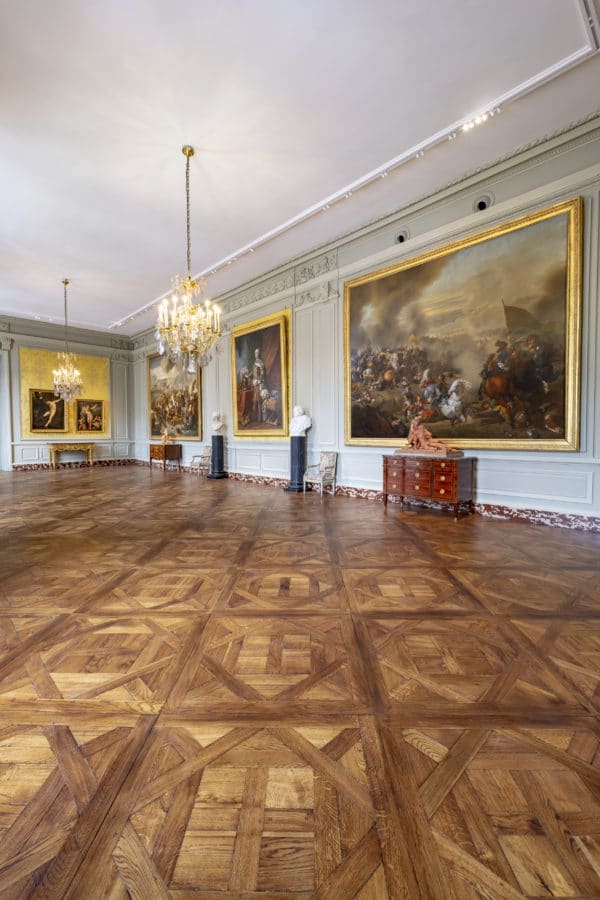
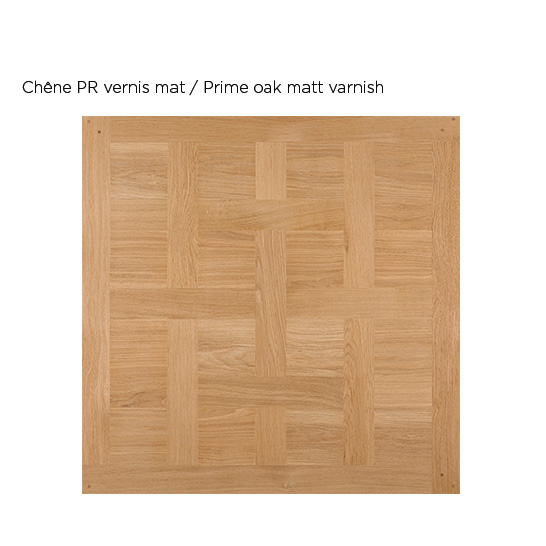
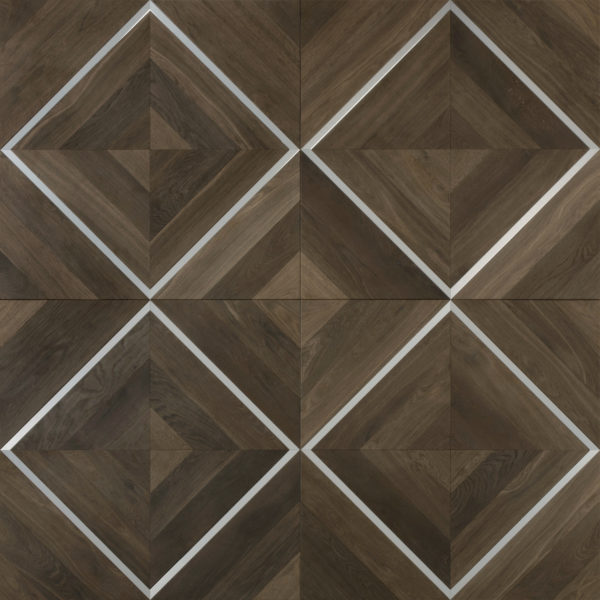
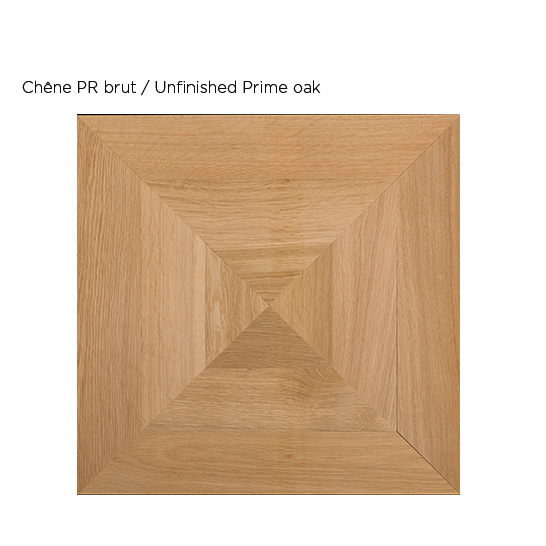
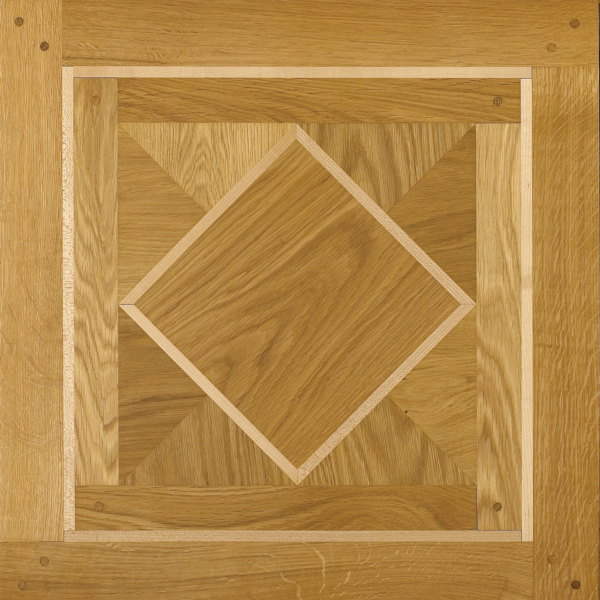
Solid parquet floor
A solid parquet floor is made from a single piece of wood, a single type of wood. Solid parquet is more resistant because it is made from 100% of the same wood throughout its width and thickness. A natural product par excellence, it only needs to be sanded and finished to look as good as new, without having to change your entire floor.
Solid parquet
Solid parquet is considered as a noble parquet floor because it is made from a single layer of wood. It adds a touch of elegance and refinement to any room. Solid parquet is made from oak and exotic woods in a wide choice of colours, dimensions and textures. Discover our standard, customisable and made-to-measure solid wood floors.
What is a solid parquet floor?
A solid parquet floor is made up of a single layer of wood, from a single type of wood, for its whole width and thickness. This is unlike engineered parquet, which is made up of a layer of wood and a layer of plywood or some other material.
The advantages of solid parquet
Solid wood flooring has a number of advantages over other types of wood flooring.
Durability: Solid wood (solid oak or solid exotic wood) is extremely resistant and durable. Because of its composition, it can be sanded and refinished several times to restore its original appearance. This means that solid parquet floor can be used for decades if it is properly maintained.
Environmentally-friendly: Solid parquet is an environmentally-friendly floor covering because the wood is sustainably managed. The production of solid parquet requires less energy than that of other floor coverings, such as ceramic tiles or vinyl flooring.
Aesthetics: Solid parquet has a warm, natural look that adds a touch of elegance to any room. It is available in a wide variety of wood species, colours and patterns (Random lengths stripes, French style (3 widths), Chevron or Herringbone) to suit all interior styles.
Thermal and acoustic insulation: Wood is an excellent thermal and acoustic insulator. It is ideal for installation on heating floor.
Prestigious, solid parquet has the advantage of being environmentally friendly, durable and aesthetically pleasing. It has many assets that will add charm to your interior.
What type of wood is best for solid parquet?
There are many types of wood available for solid wood flooring, each with its own characteristics in terms of colour, hardness and grain. The choice of wood species for your solid wood floor will depend on your personal taste, your budget and the intended use of the room. Solid oak is one of the best woods for designing and manufacturing solid parquet floor.
Here are some of the wood species commonly used for solid parquet: Oak, Acacia, Merbau, Doussié, Teak, Walnut, Jatoba, Ipé and Wenge.
How do I choose a solid parquet floor?
When choosing a solid parquet floor, there are several characteristics to take into account. At Design Parquet you can choose :
- The type of wood: oak is better known than exotic wood.
- The laying pattern: English style, French style (3 widths), herringbone, herringbone, etc.
- The thickness, length and width of the solid parquet, depending on its technical characteristics
- Surface appearance: rough, brushed, structured, distressed, light sawn, strong sawn.
- The finish: oiled, varnished and ROC varnish.
To sum up, when choosing a solid parquet floor, it’s important to take into account the quality of the wood, the colour, the size of the strips and the finish. In the case of unfinished parquet, the floor will need to be sanded before the application of a site finish of your choice.
How to lay a solid parquet floor?
Laying a solid parquet floor is a delicate process that requires a certain amount of experience. We recommend that you call in a professional, preferably a parquet installer, to avoid any mistakes that could damage your floor. Solid parquet must be glued or nailed down. In both cases, the requirements for the subfloor and the room to be parqueted must comply with the DTU in force.
Glued laying of solid parquet
Glued-down installation means that the parquet is fixed to the subfloor. The parquet must be glued to the subfloor using MS Polymer glue (such as our PS or PS ECO glue). Apply the glue using a notched spatula specifically for parquet.
Nailed laying of solid parquet
Nailed laying installation involves laying solid parquet on bridging joist. This type of installation requires a minimum parquet thickness of 20 mm. We recommend you consult a professional, as this type of installation requires a great deal of experience.
There are two types of nailed laying installation for solid parquet:
- Laying on sealed bridging joists: this is done directly on the cement slab and requires the joists to be wedged in place to ensure that the entire sub-structure is level. The floorboards are then nailed to the joists.
- Nailed down installation on floating joists. We recommend this type of installation because it offers more comfortable soundproofing and thermal insulation than traditional nail-down installation.
How do I maintain a solid parquet floor?
Cleaning a solid parquet floor requires special care to preserve its beauty and extend its lifespan.
On a daily basis, dust your floor with a broom or hoover. Avoid using a hoover with a rotating brush to avoid damaging the parquet surface.
For in-depth maintenance, we recommend using a cleaner specially designed for solid parquet. Solid parquet cleaner is applied with a slightly damp cloth or mop. We recommend cleaning your floor no more than once a month.
Never wash your floor with water. Do not use hot or lukewarm water.
Always use non-running materials and clear, cold water.
The lifespan of solid parquet
The most durable parquet is solid parquet because of its solid wood composition, which gives it great resistance and a very long lifespan thanks to its ability to be renovated. In fact, solid parquet can be sanded several times during its lifetime to restore its original appearance, which means it can last for several decades, or even over a century in some cases.
The durability of parquet flooring also depends on the type of wood and the quality of manufacture and installation. Some types of wood, such as oak, maple, ipe, wenge, merbau, doussie, walnut and teak, are particularly resistant and durable, while others, such as pine, are softer and therefore less durable.
Recommendations for use:
- Use a brush mat at the entrance to retain as much sand and gravel as possible.
- Put protective pads (felt) under the legs of chairs and furniture.
- Protect the floor with a mat or translucent sheet if you are using furniture with castors.
- Irrespective of the hardness of the wood and the finish of your floor, there is a risk that it will sink in and be punched (as in the case of stiletto heels).
- Quickly wipe up any liquid spilled on the floor.
- Do not wash the floor with water.
- Do not use aggressive, abrasive, silicone or ammonia-based detergents.
 Certifications
Design Parquet is FSC-C016205 and PEFC certified
 Easy to maintain
Design Parquet offers products for the maintenance and cleaning of your parquet floor.
 Sustainability
Parquet, a sustainable and renewable floor covering.
 Eco-responsibility
Design Parquet is committed to an environmentally responsible approach.