


Semi-solid parquet
 Filters
Refresh
Filters
Refresh
 Support
  Aesthetics
  Dimensions
 Width in mm
Can't find what you're looking for?
Download the catalogue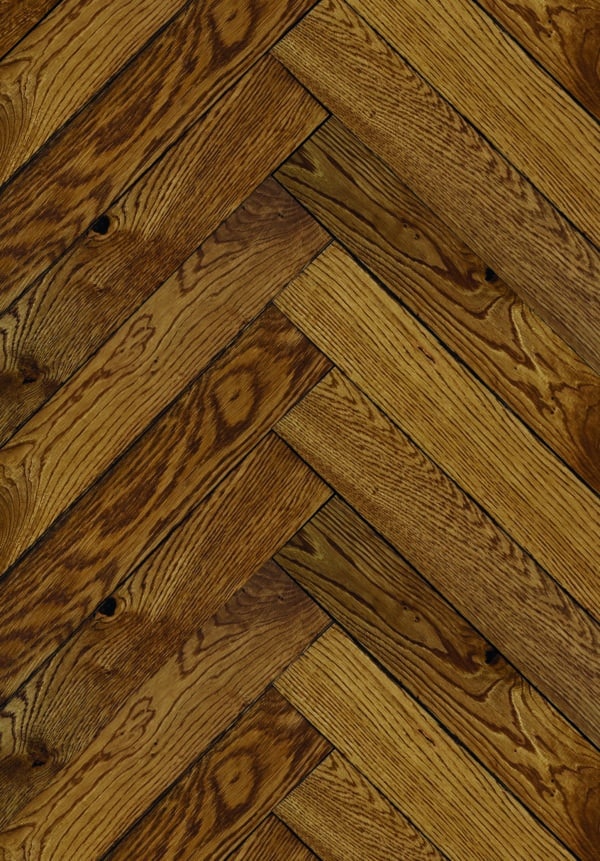


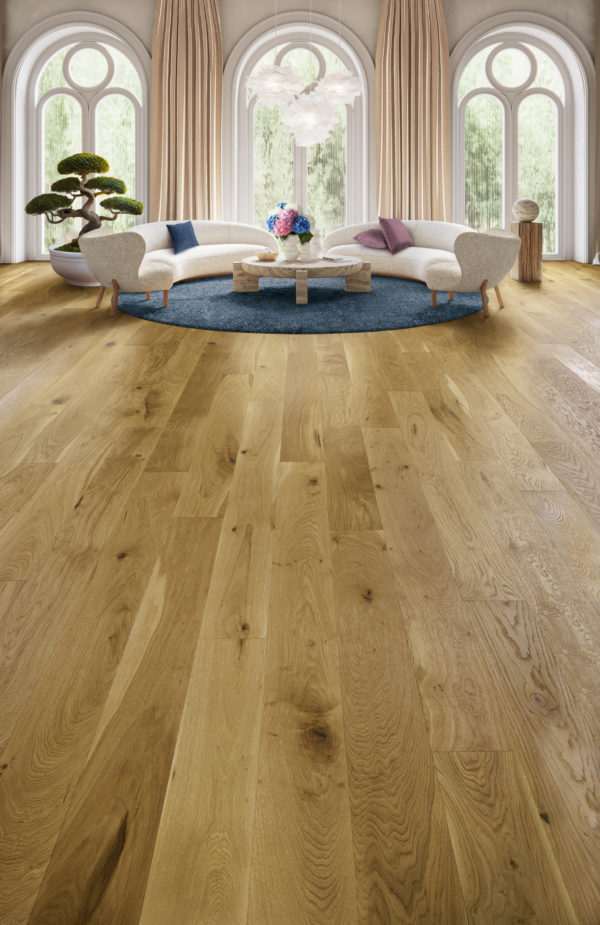
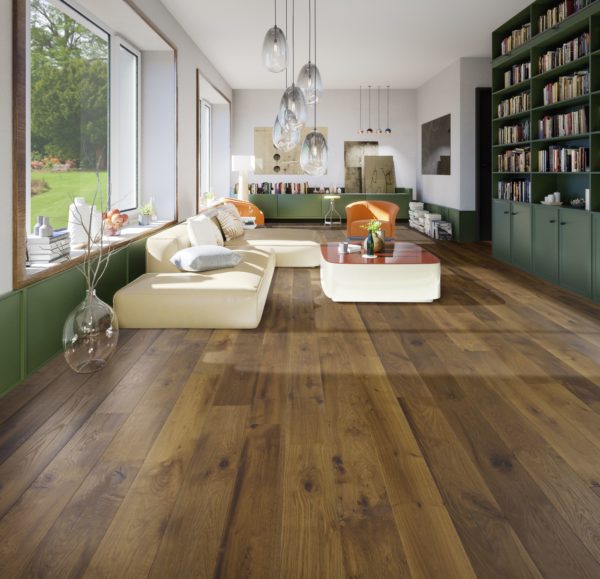
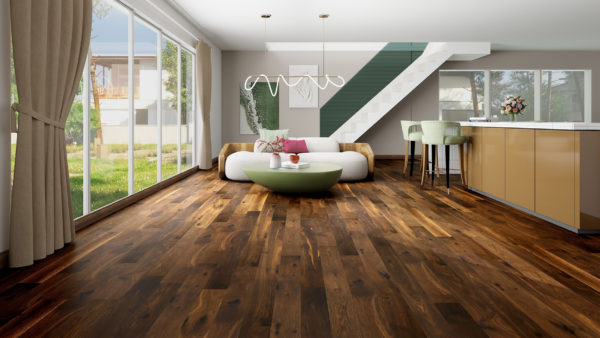
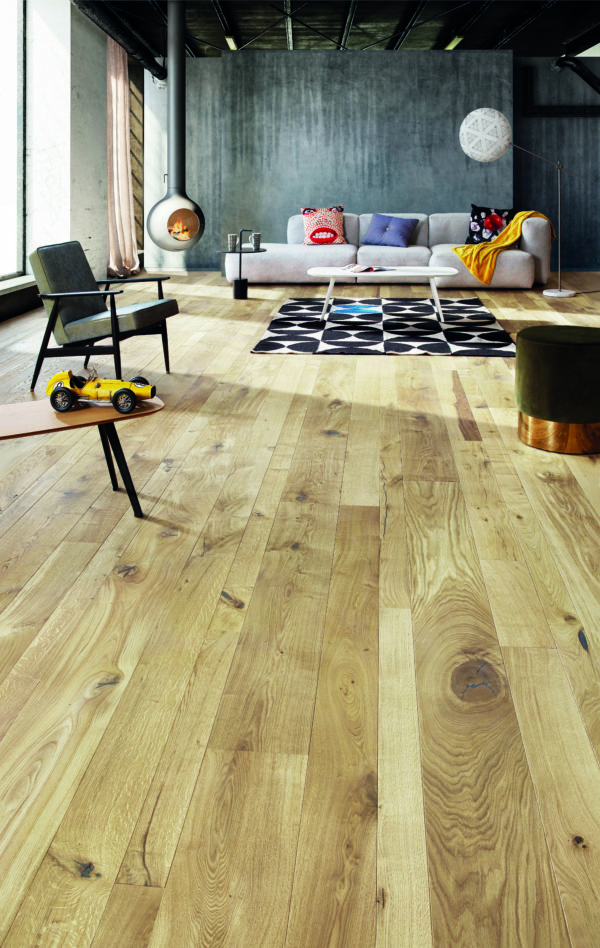
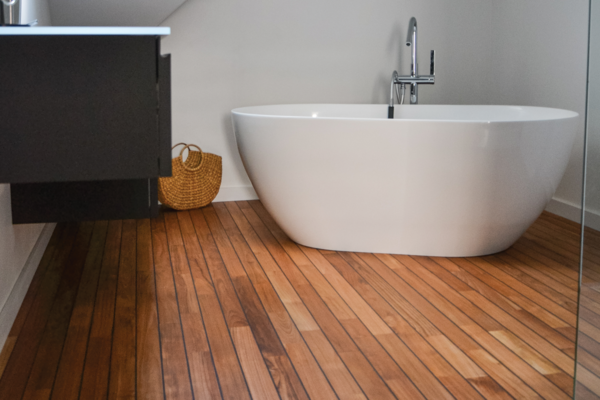
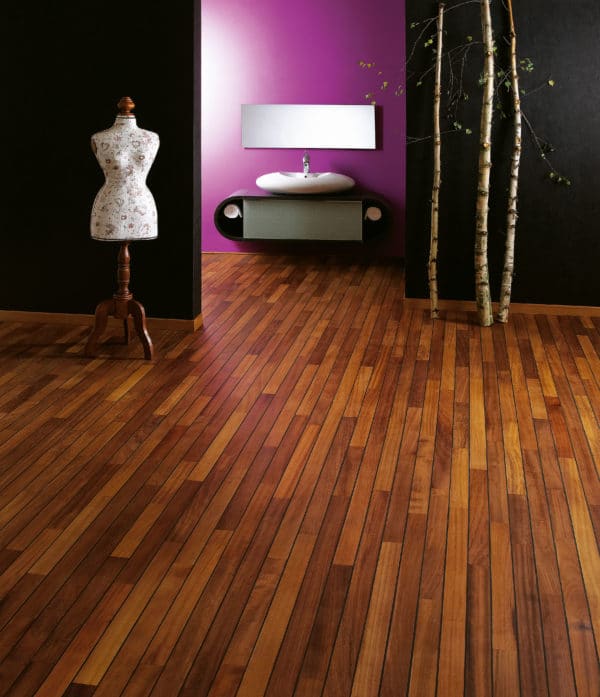
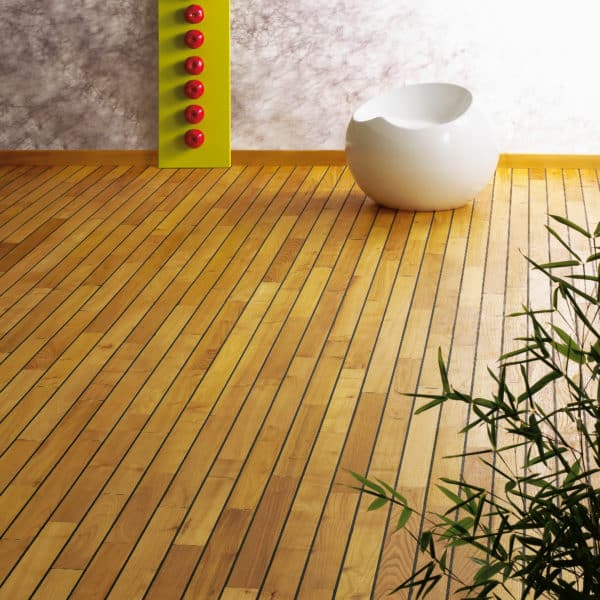
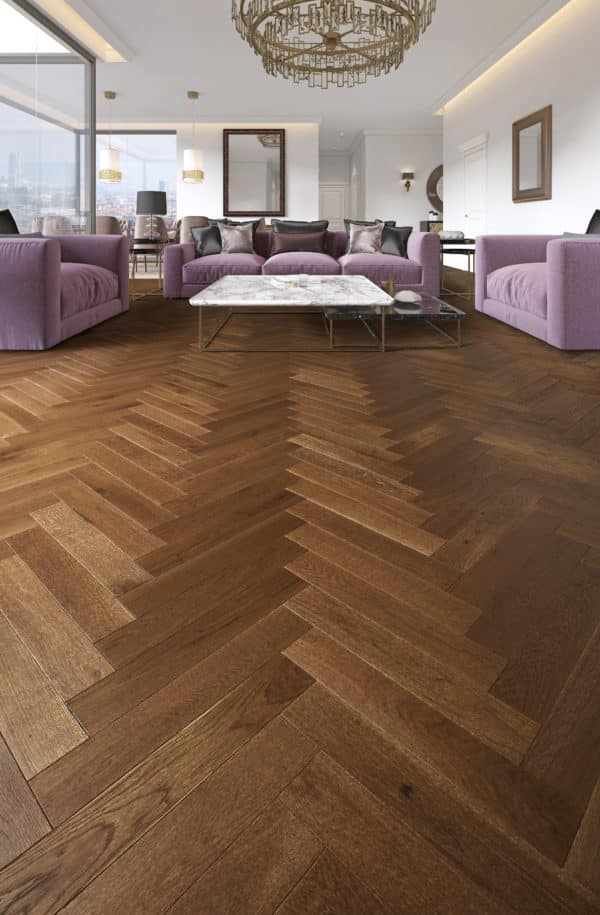
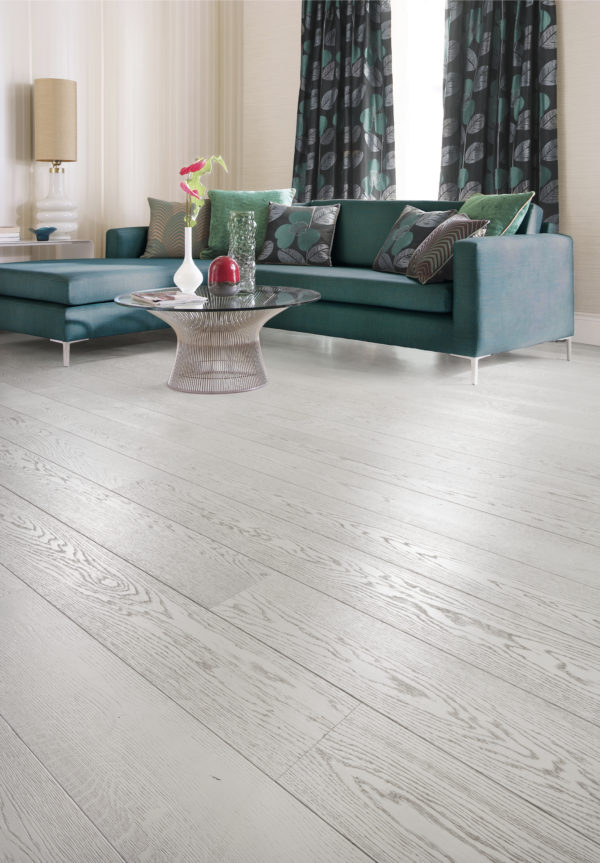
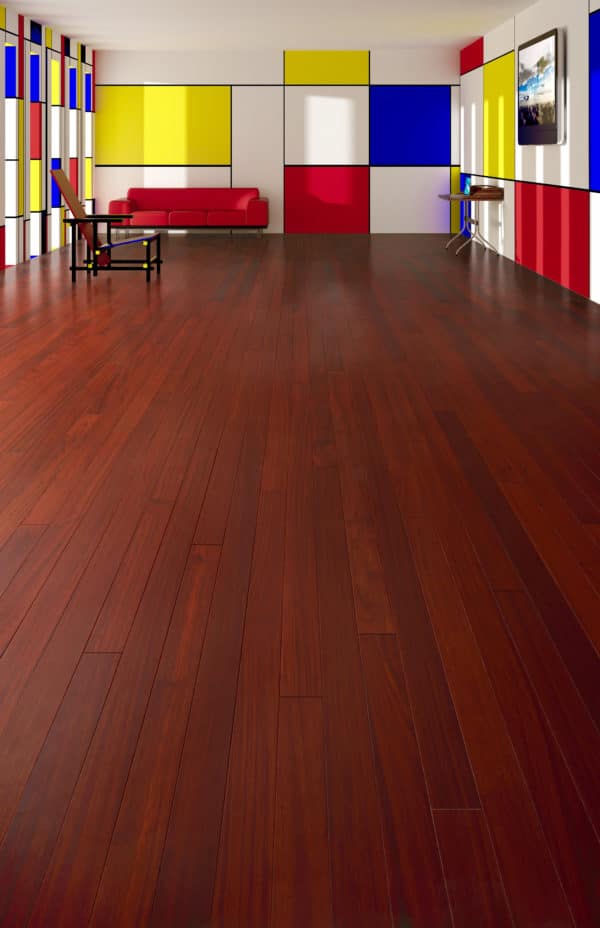
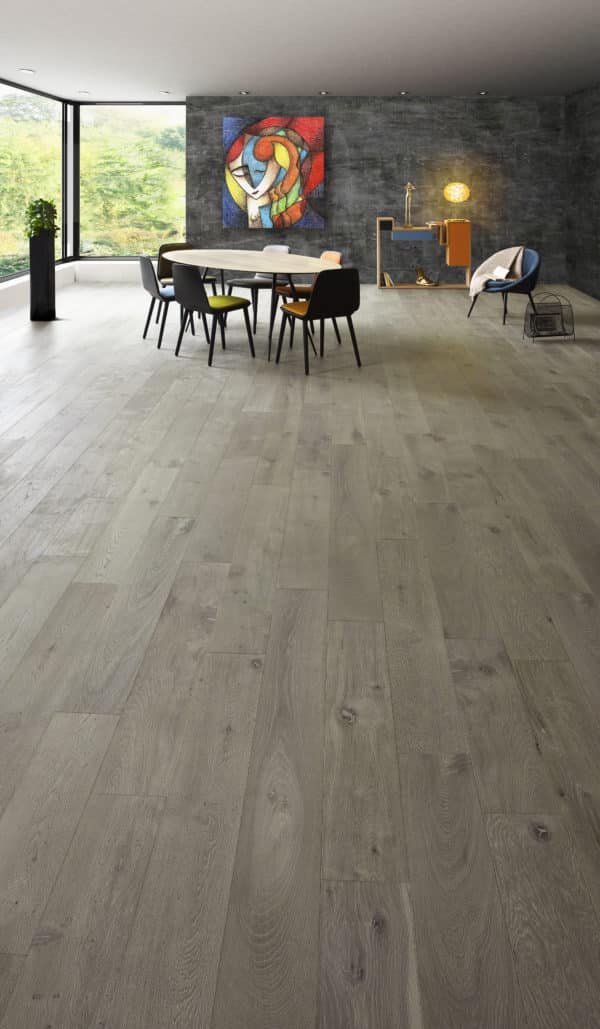
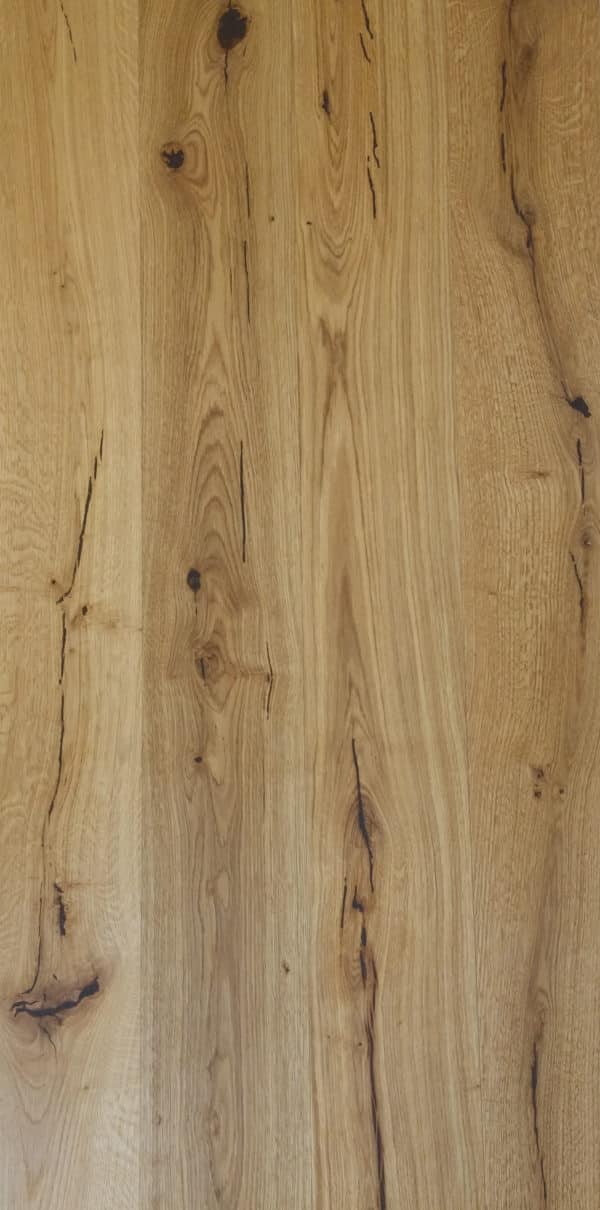
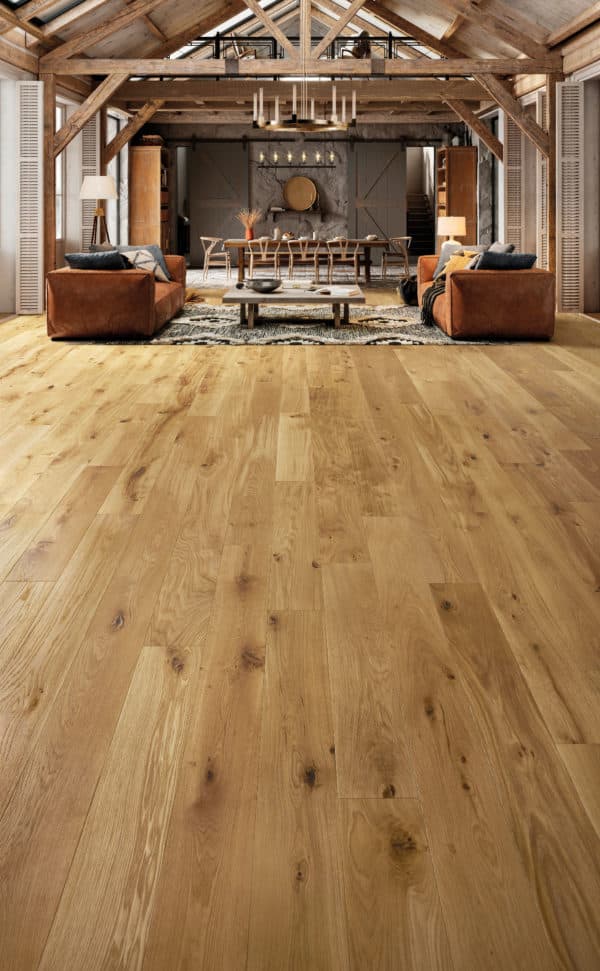
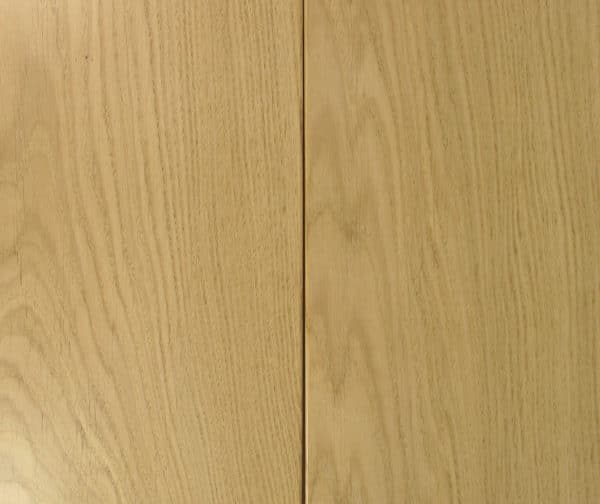
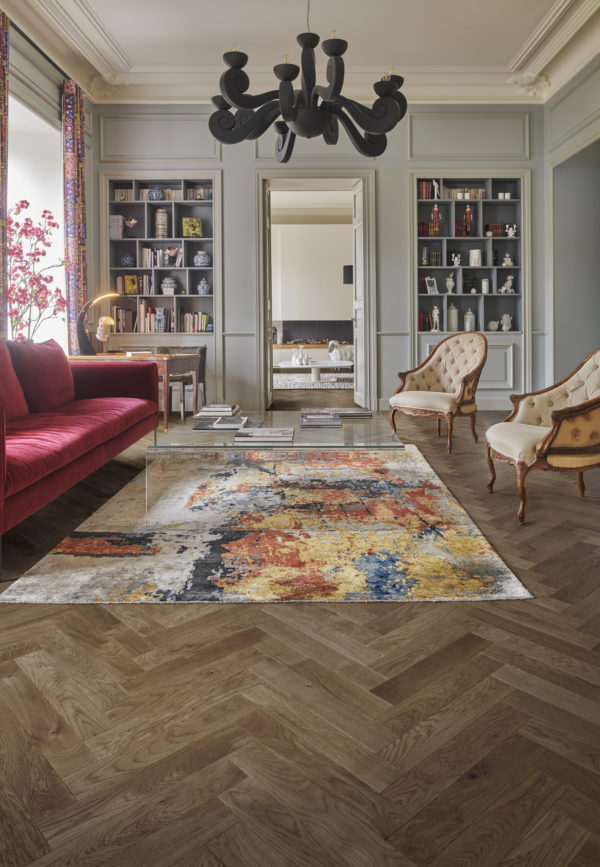
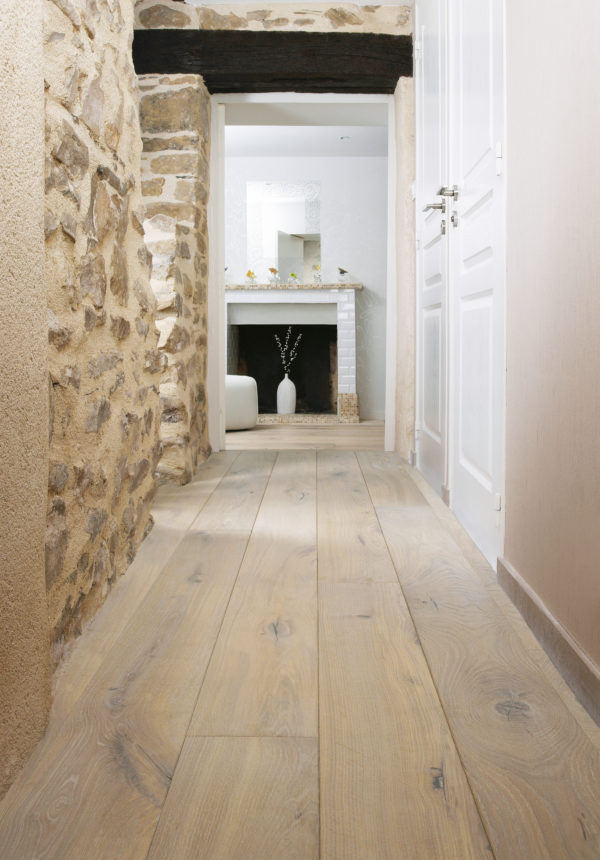
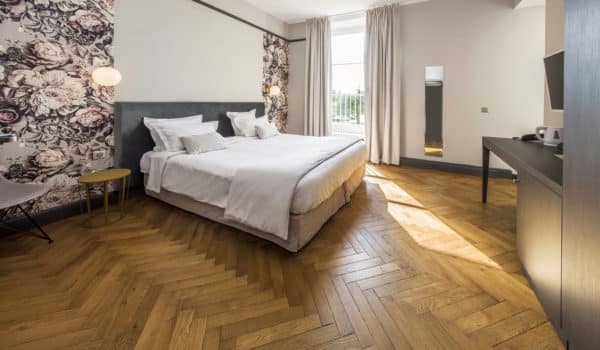
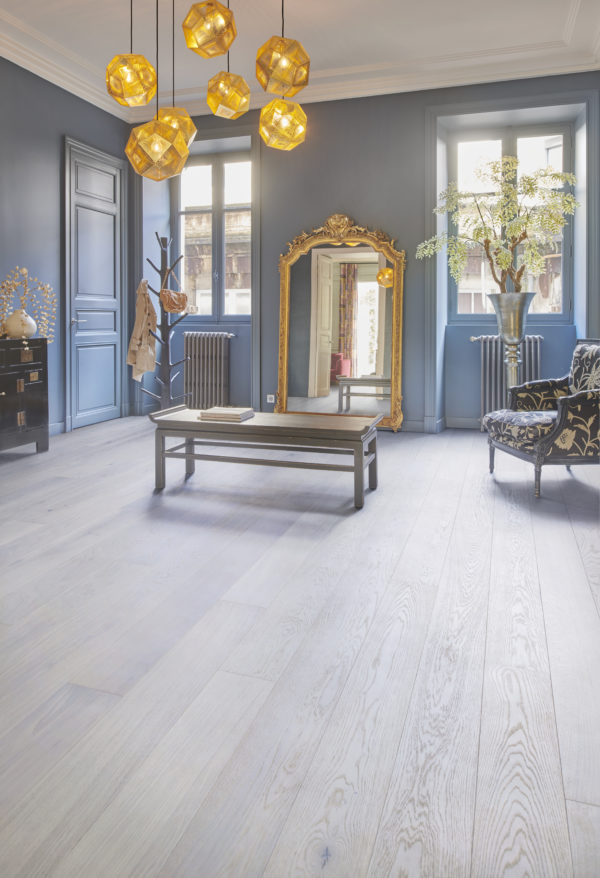
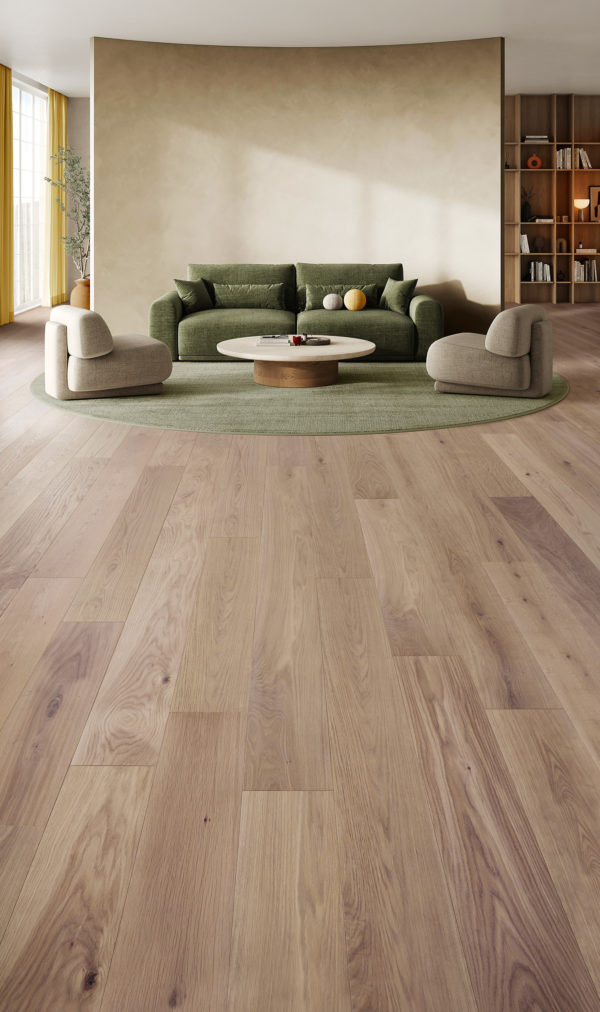
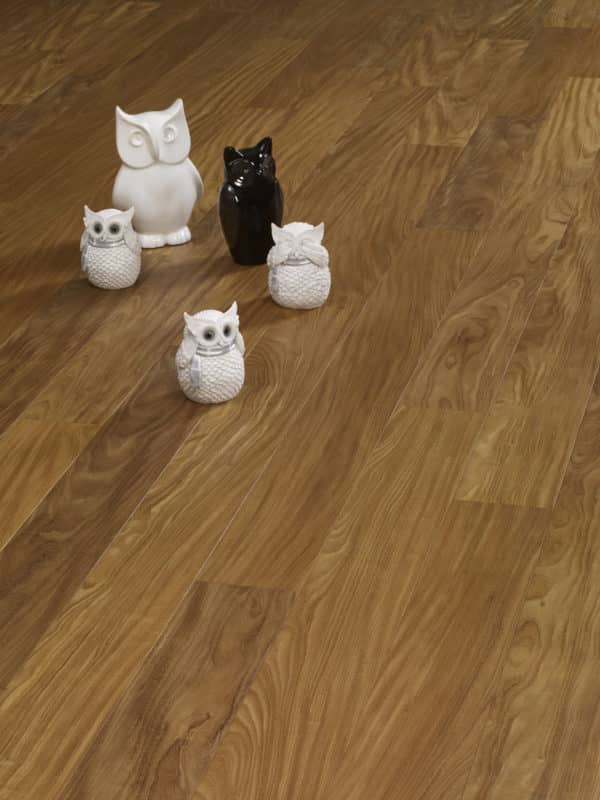
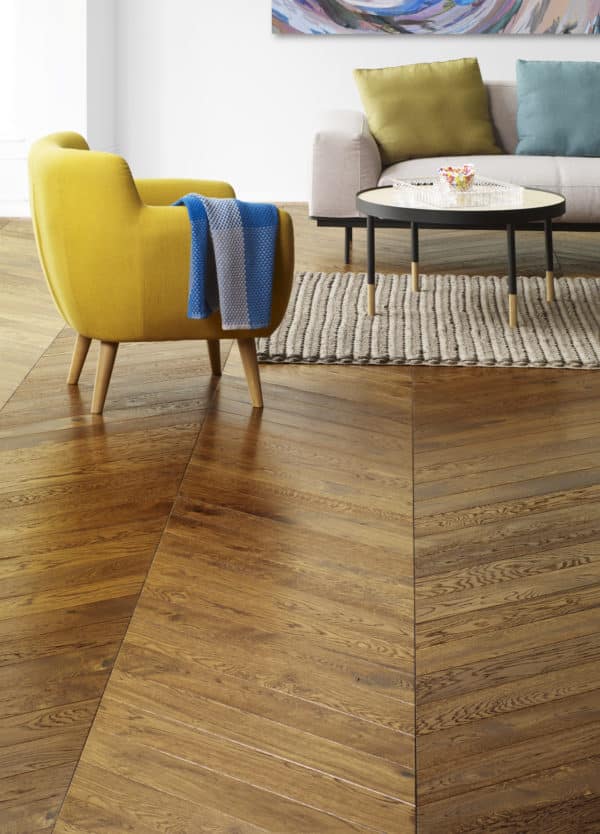
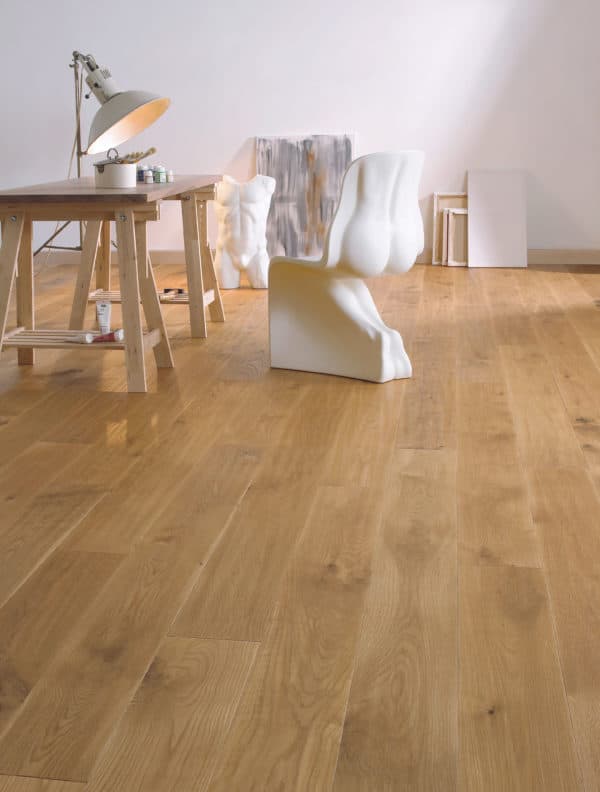
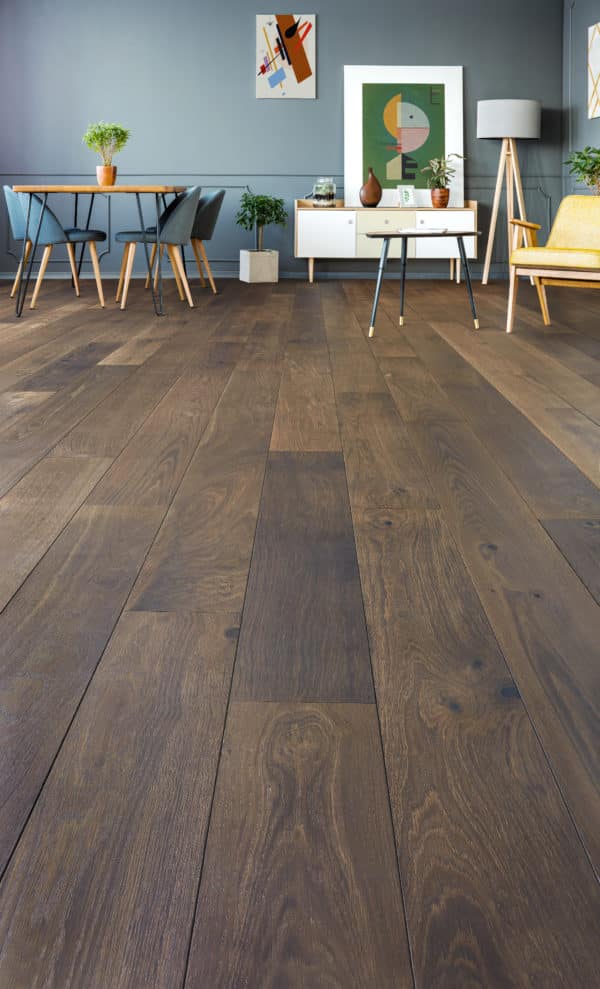
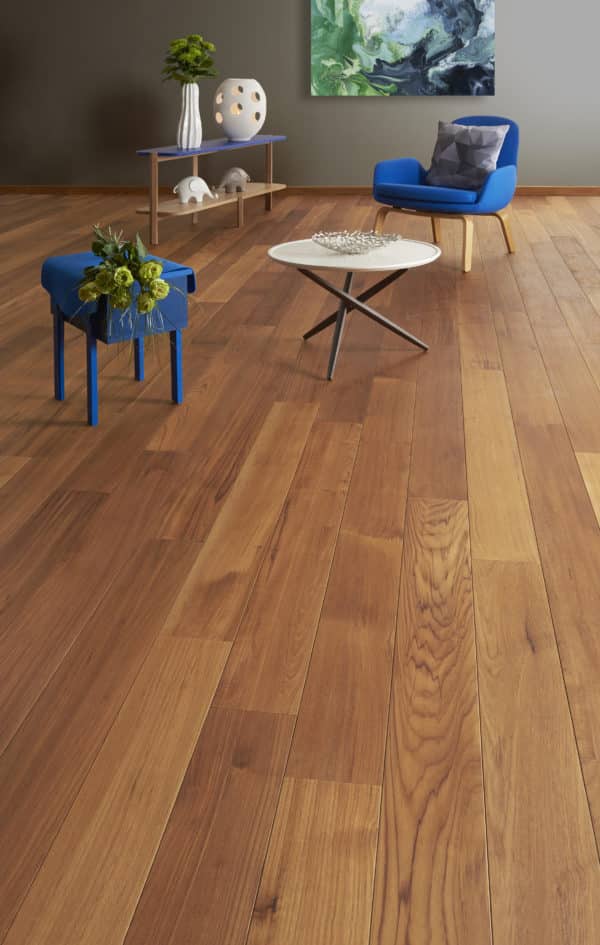
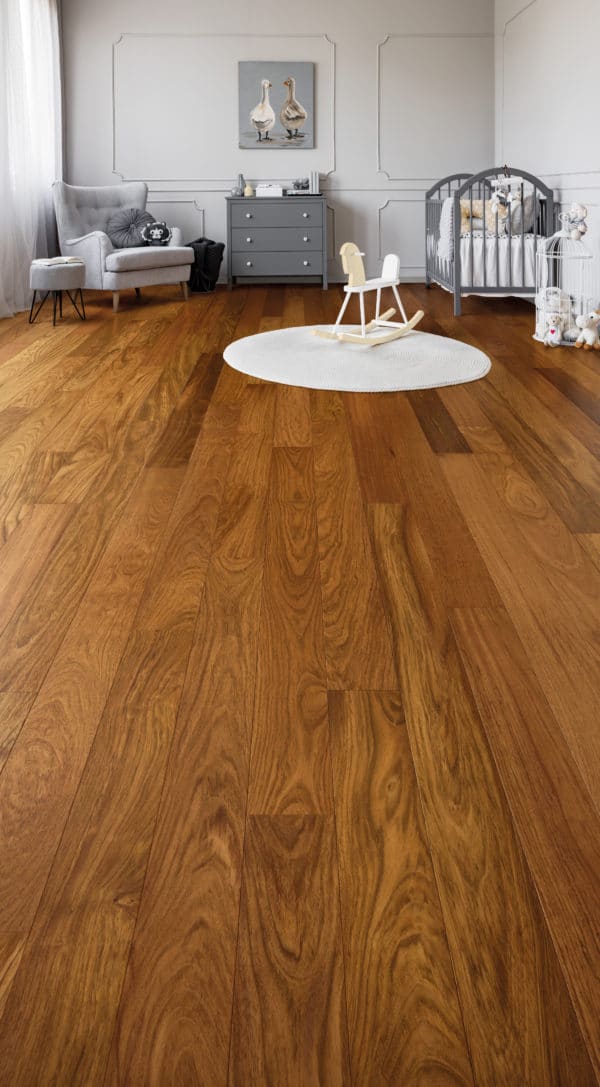
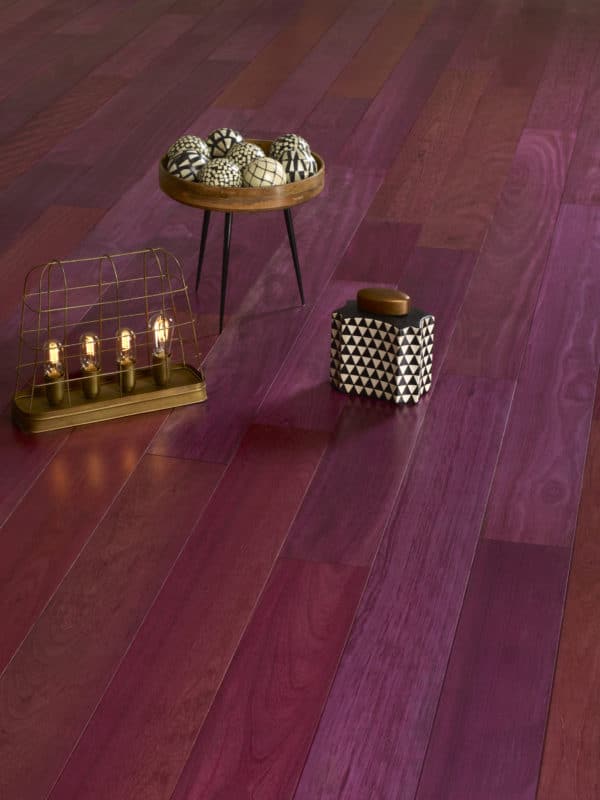
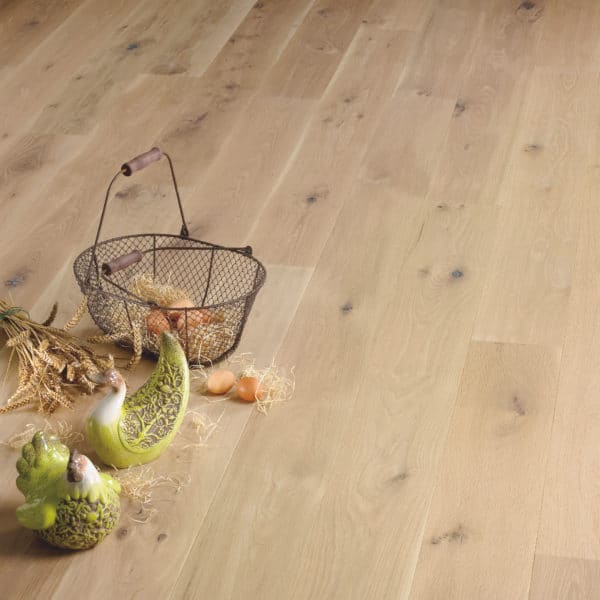
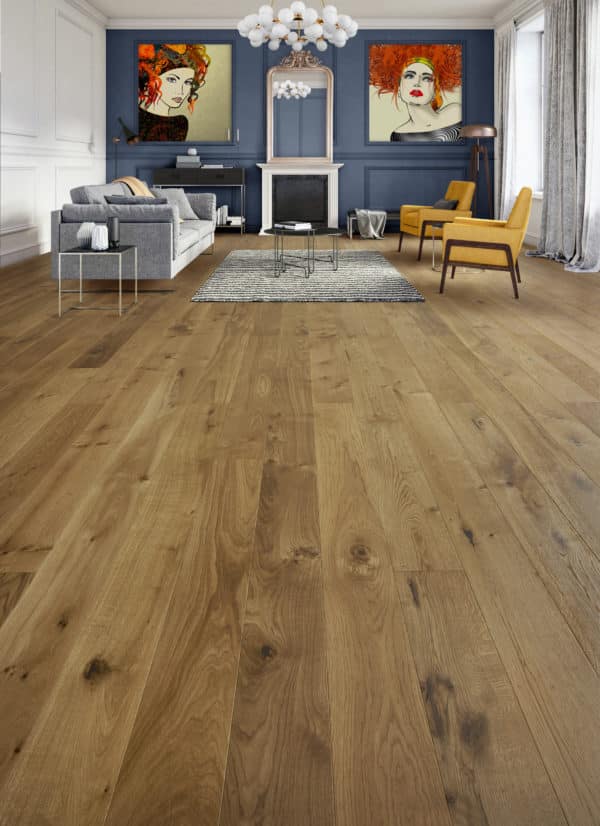
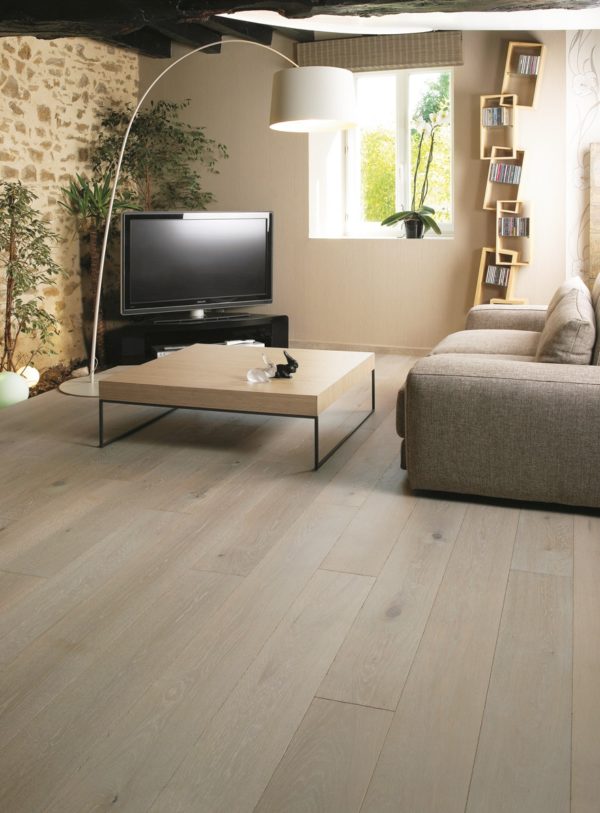
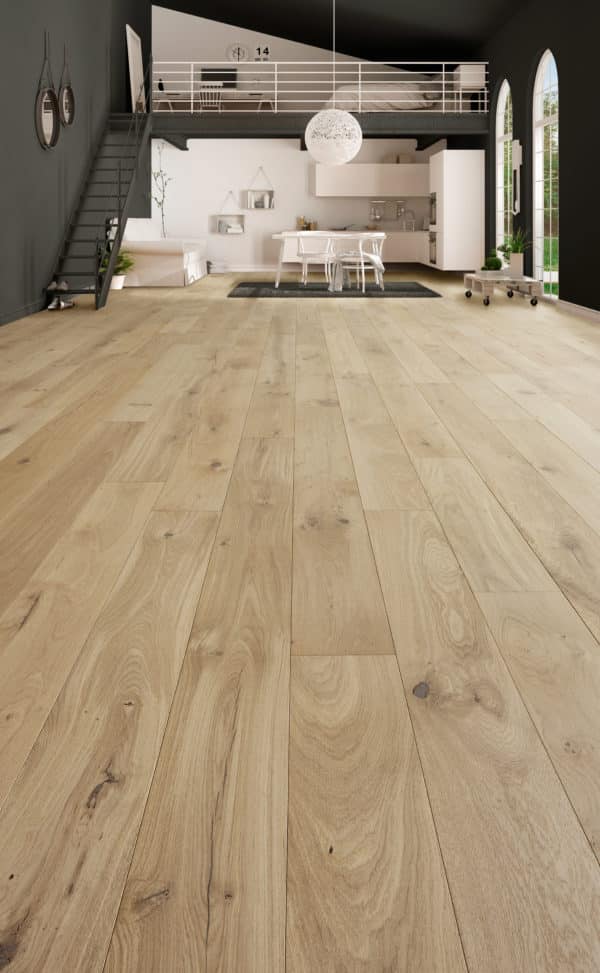
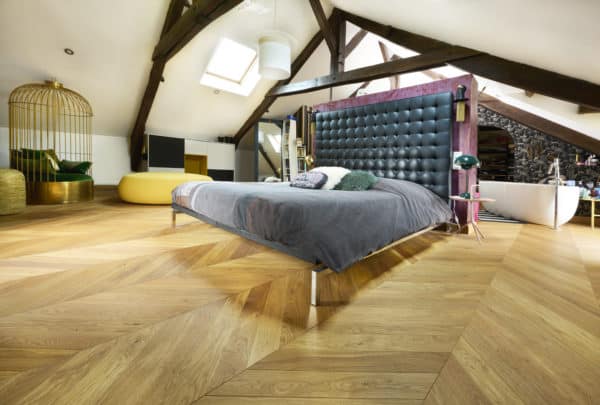
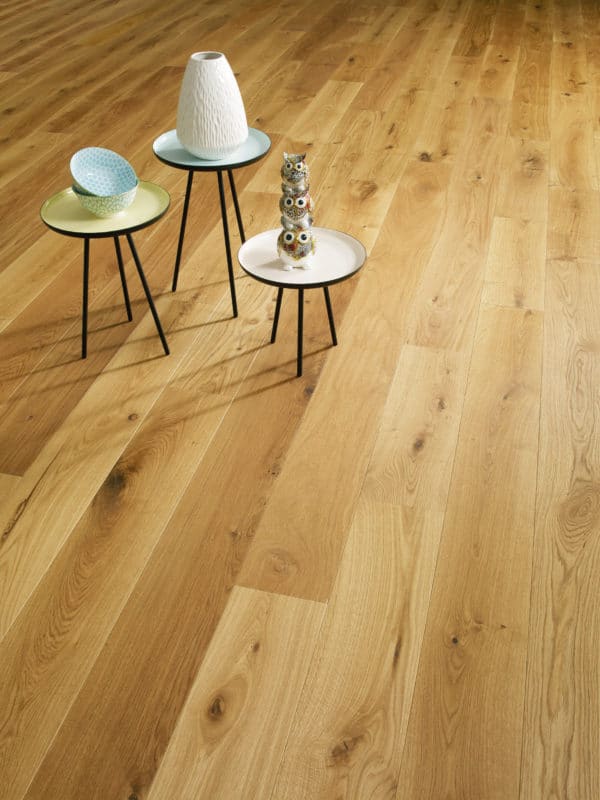
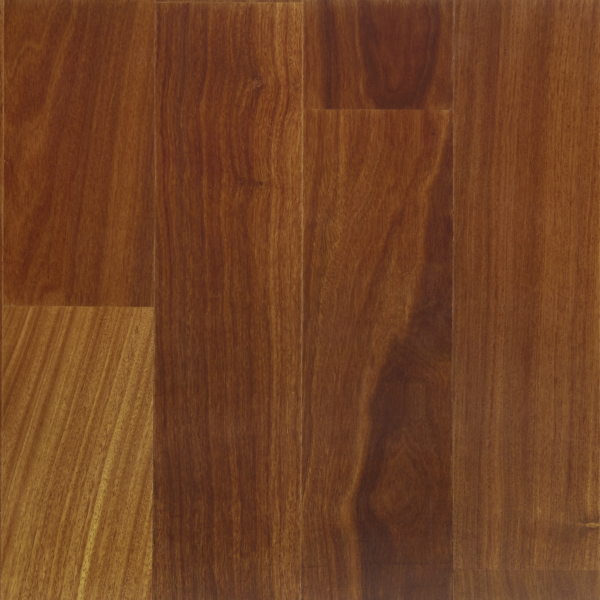
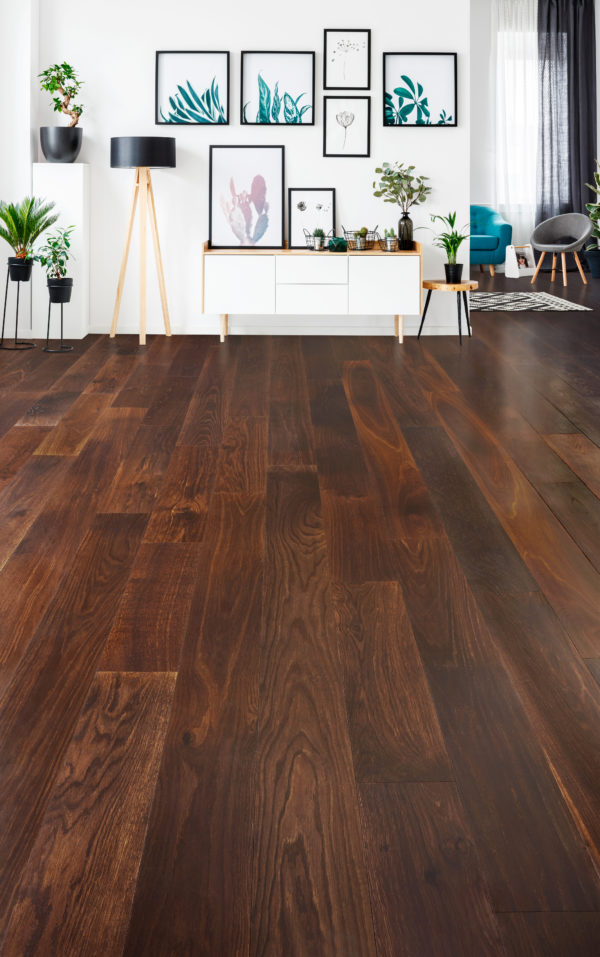
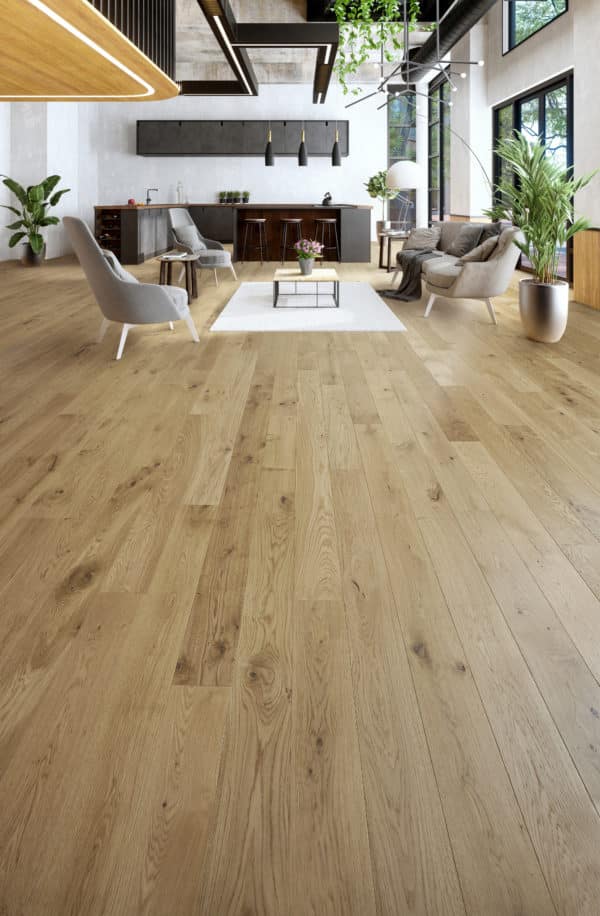
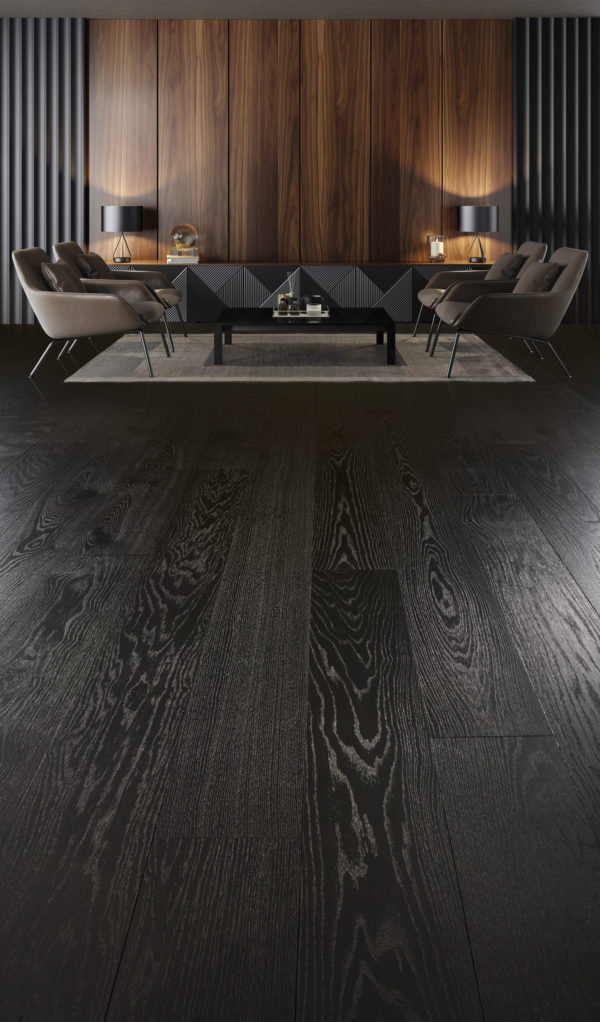
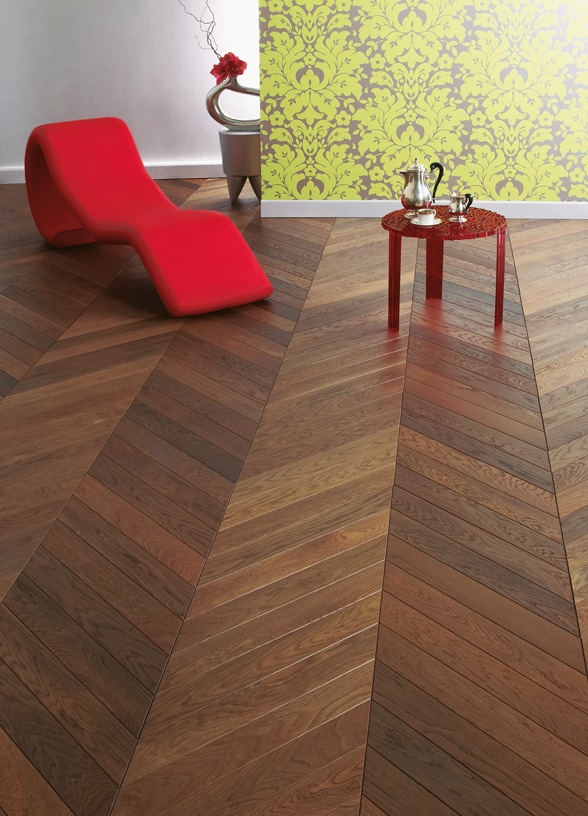
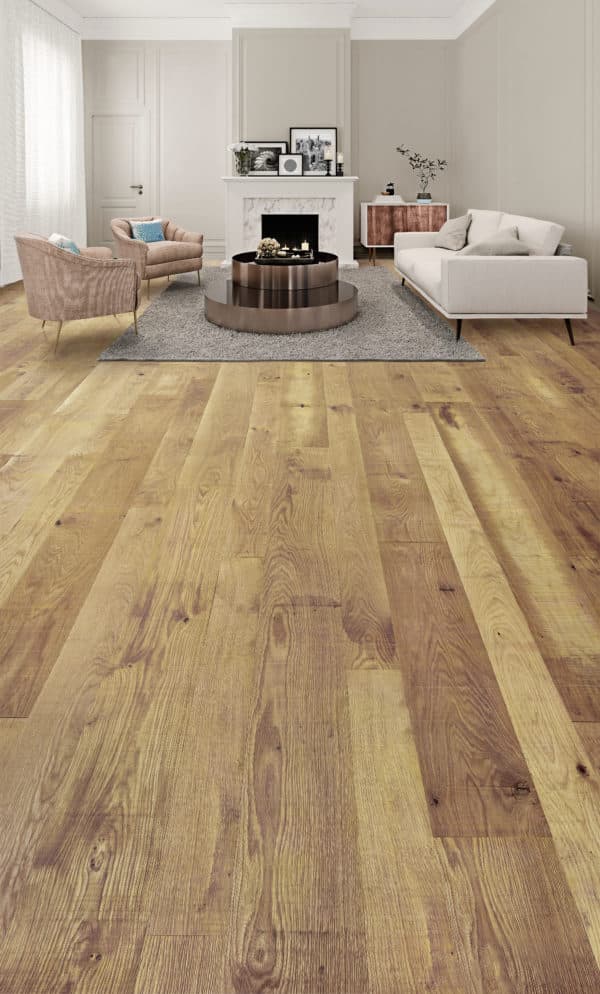
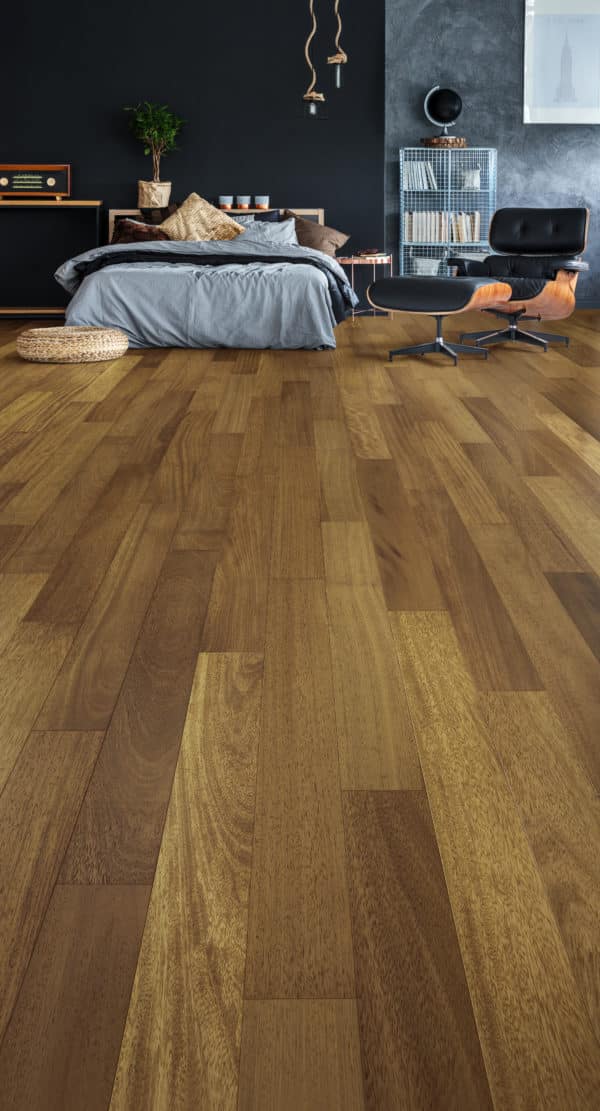
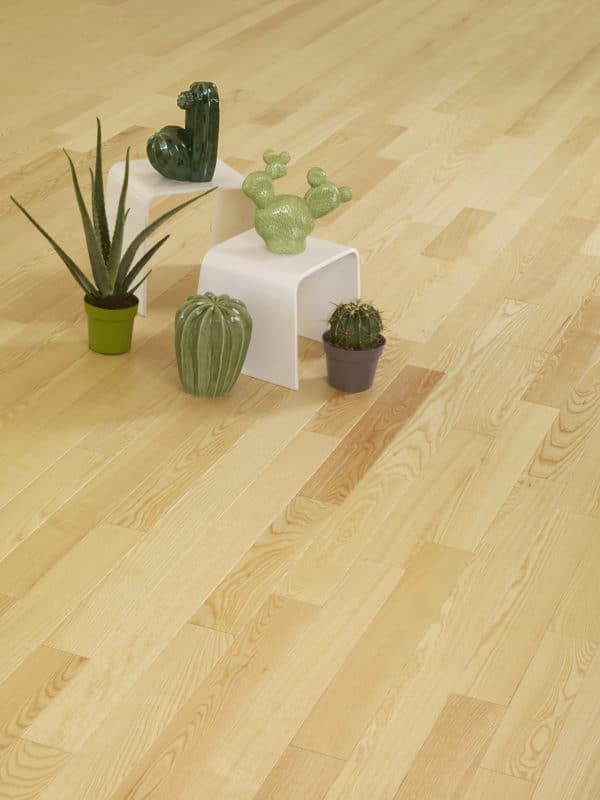
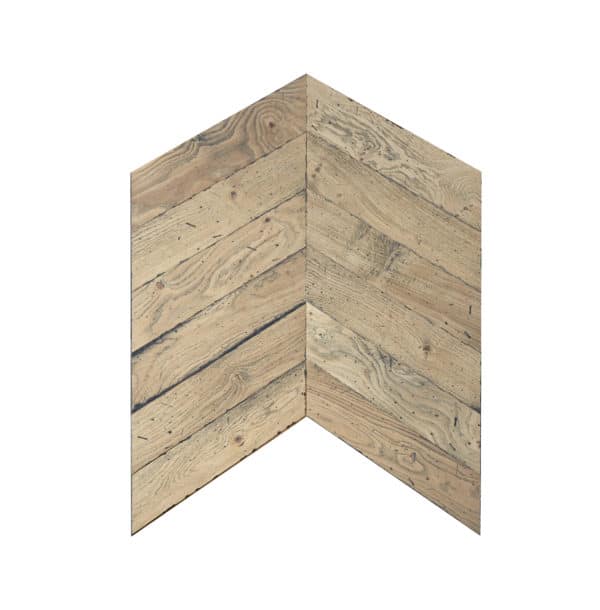
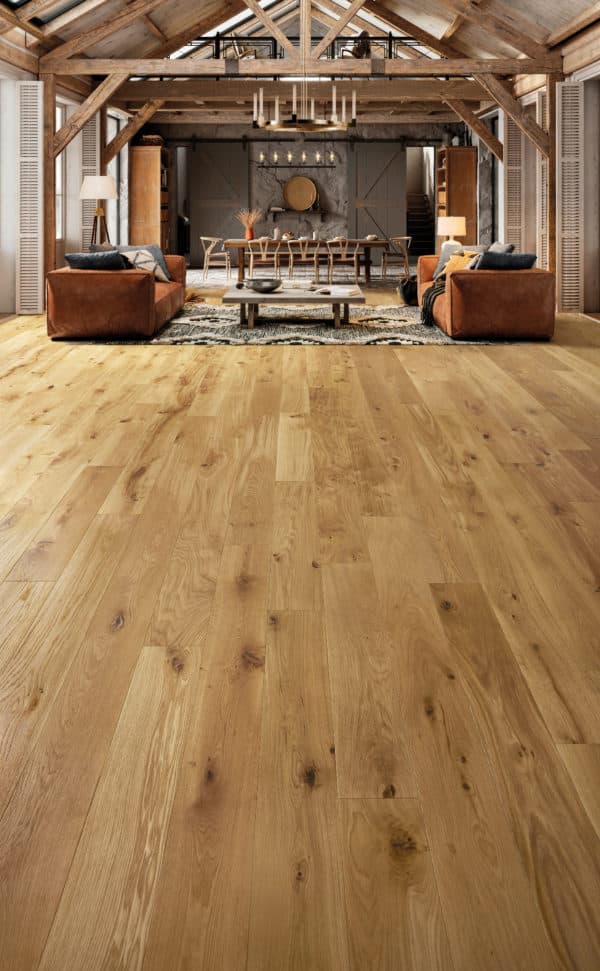
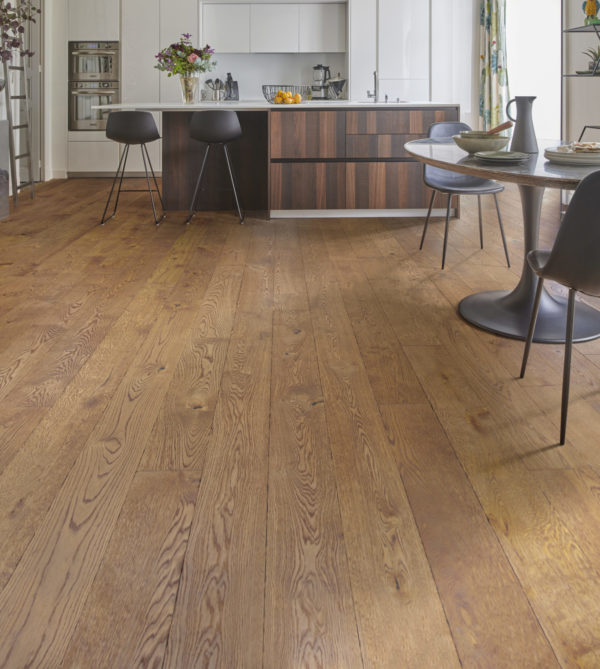
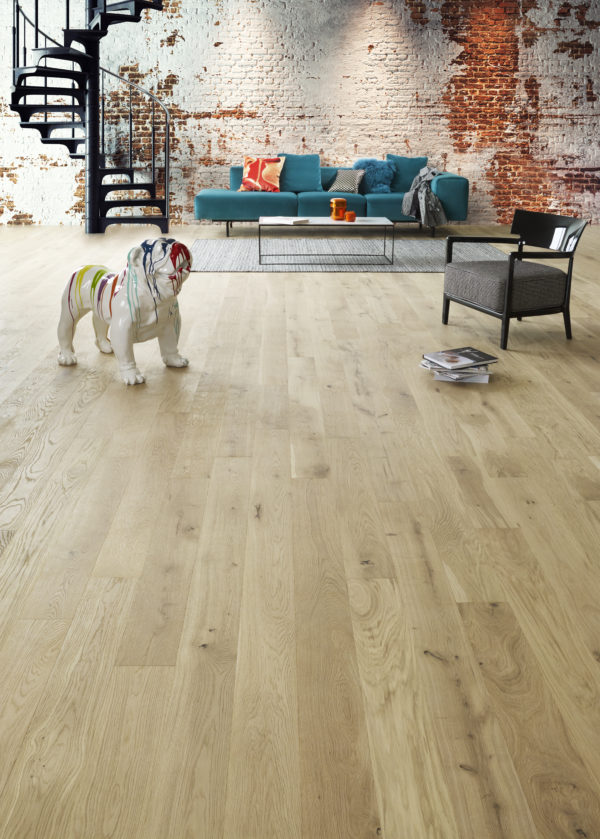
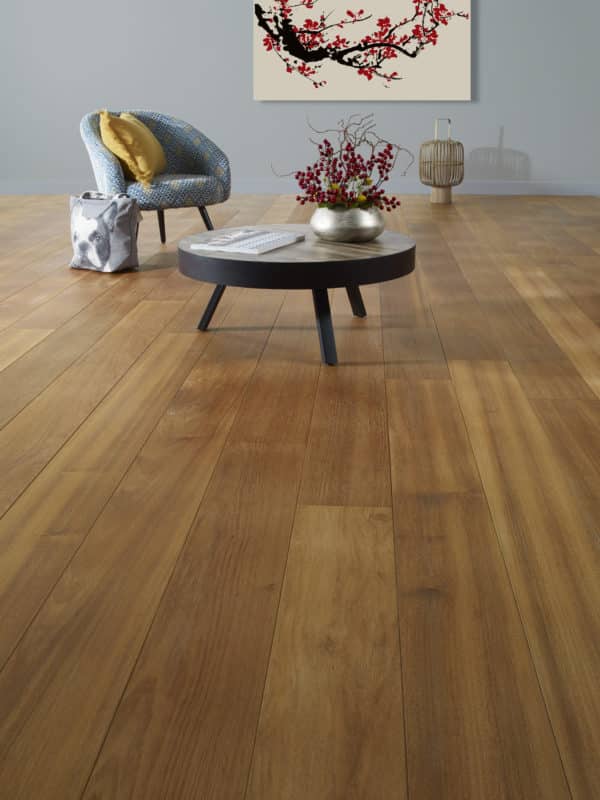
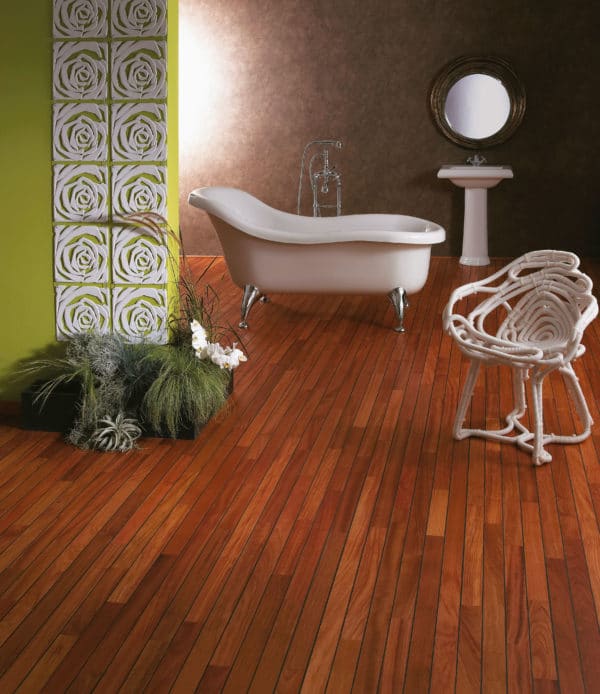
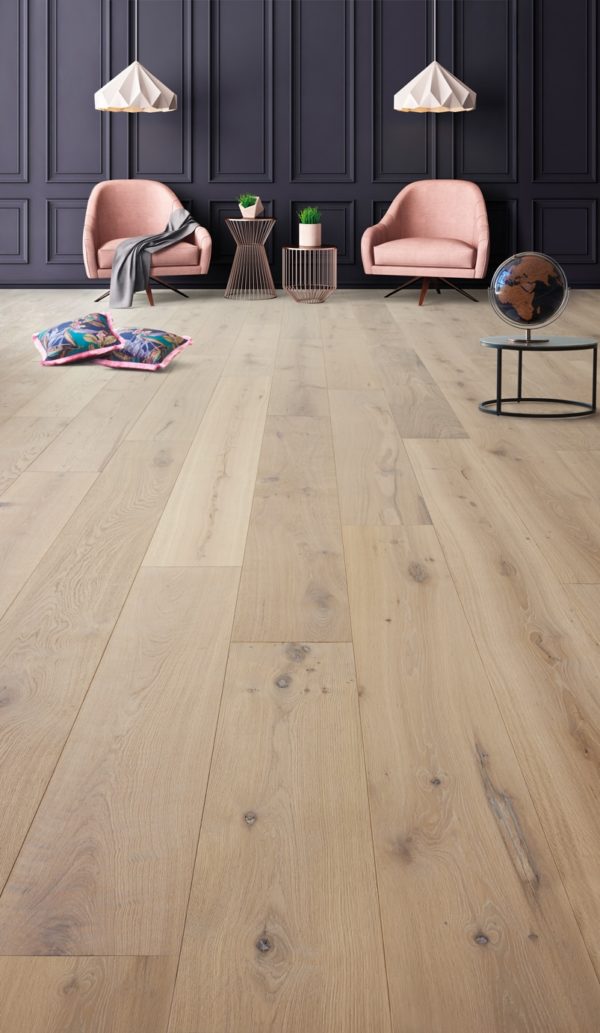
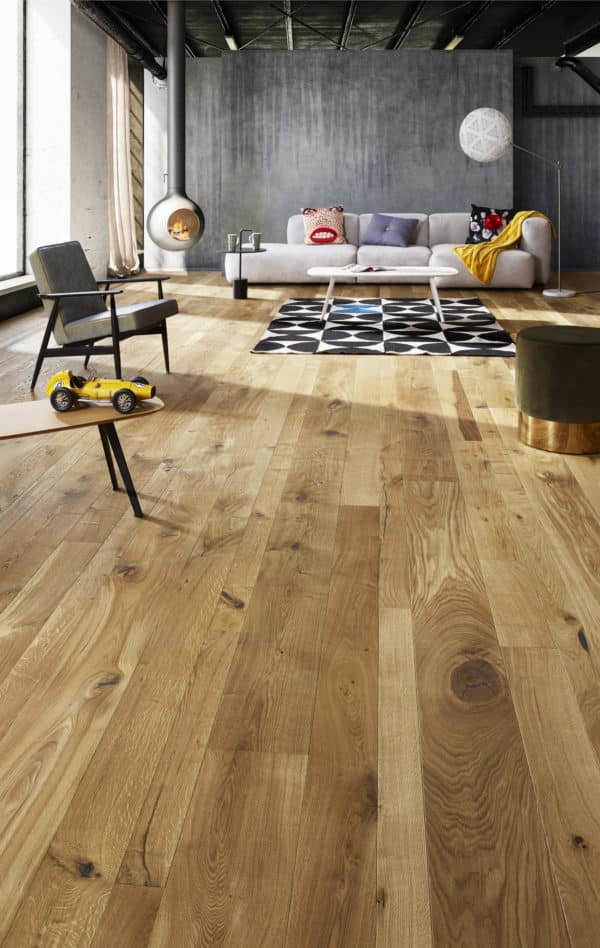
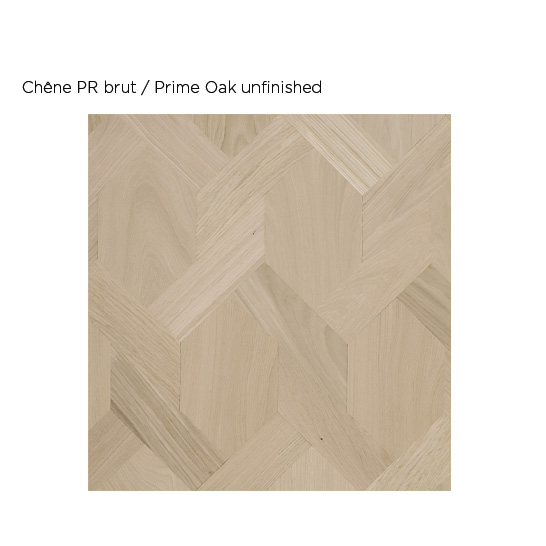
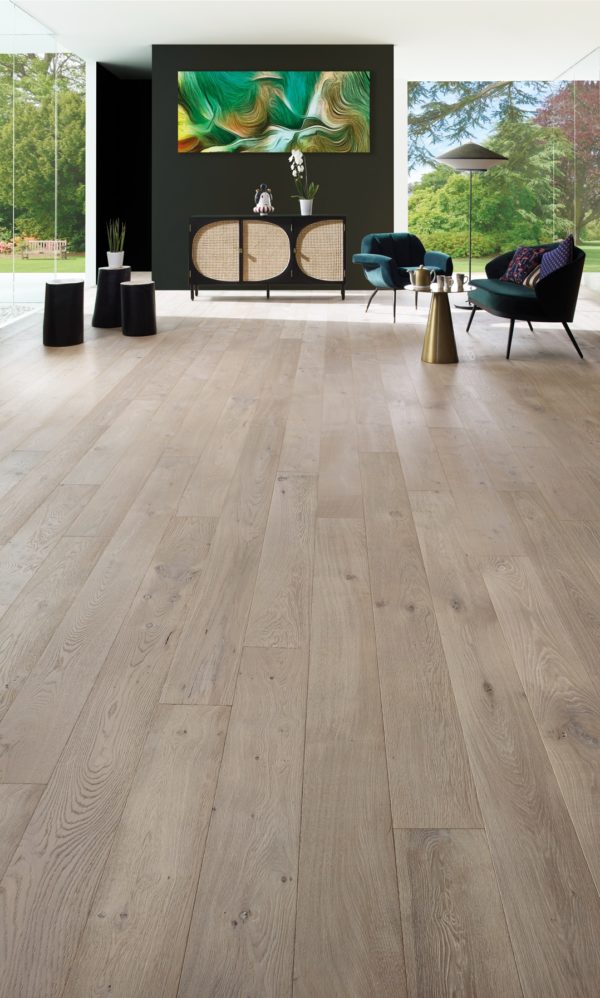
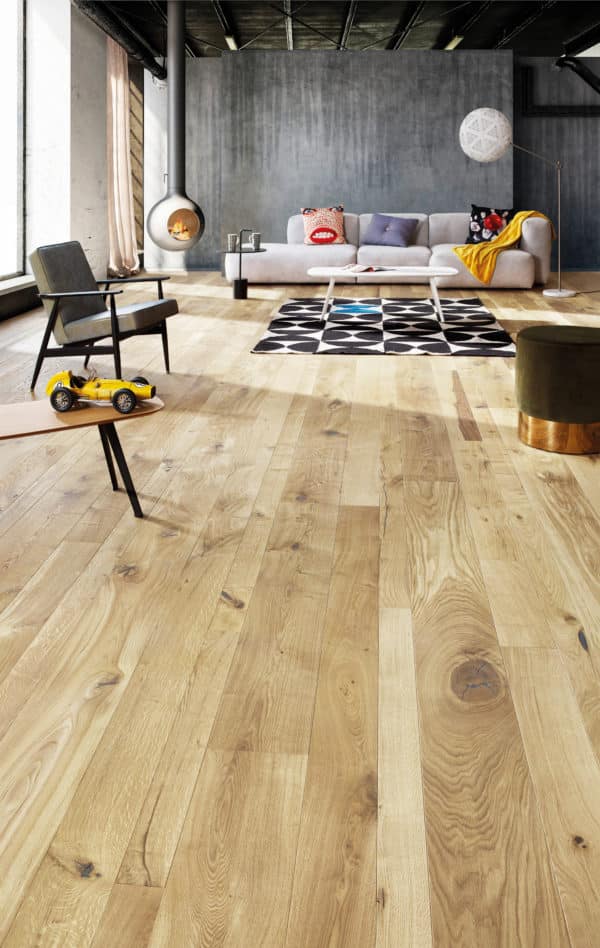
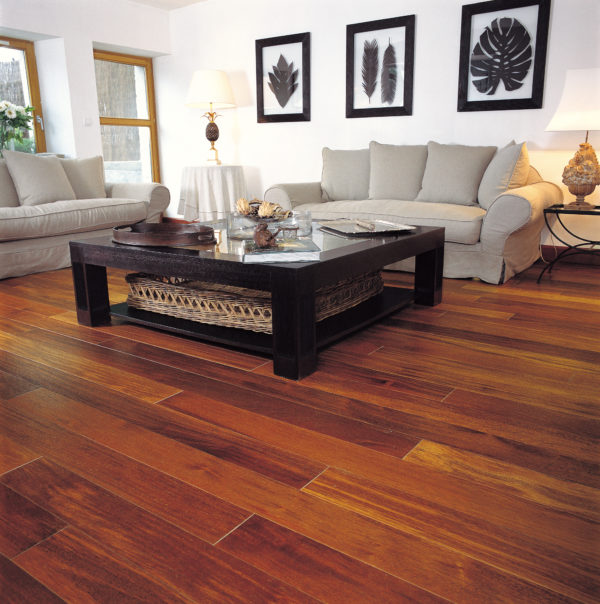
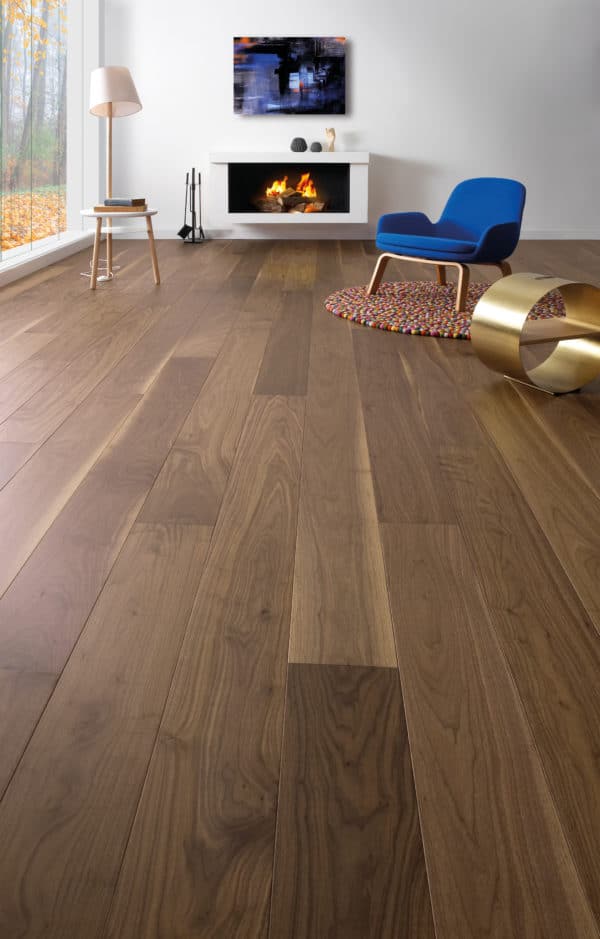
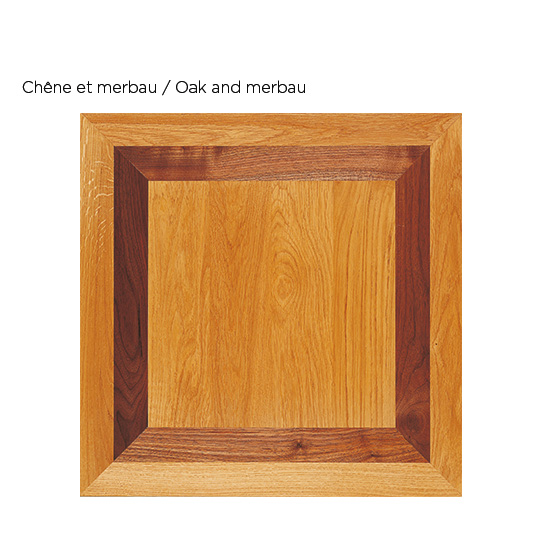
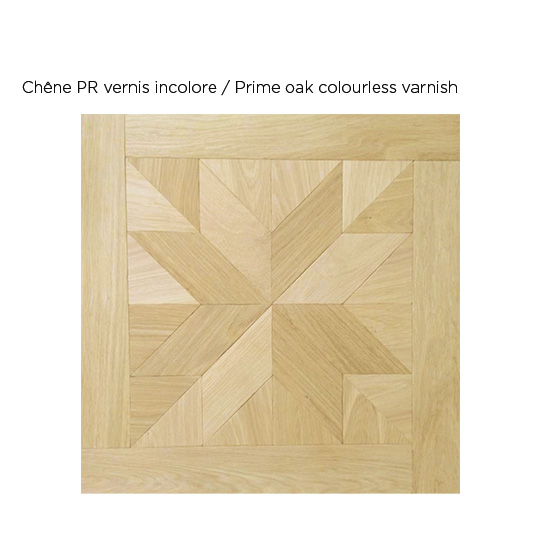
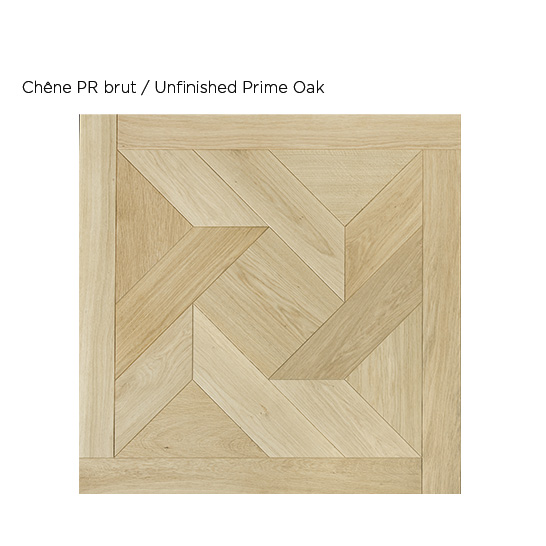
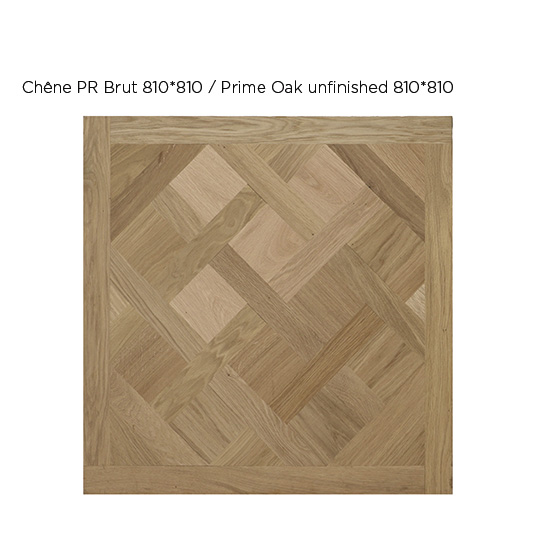
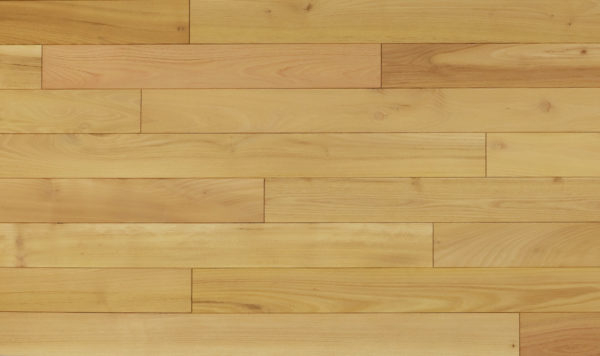
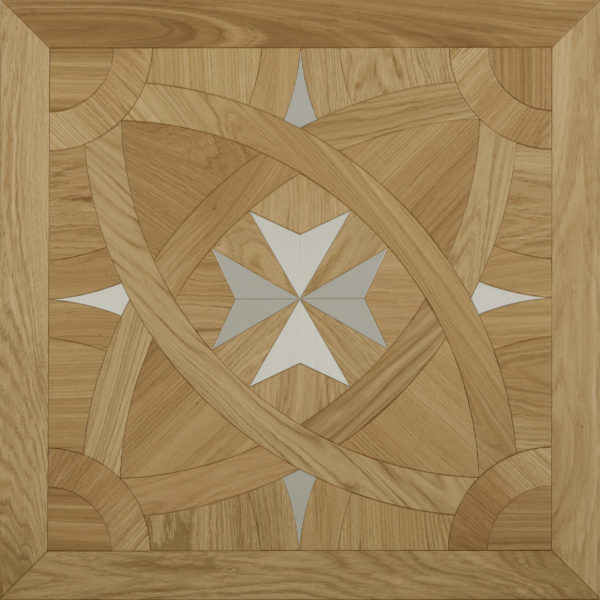
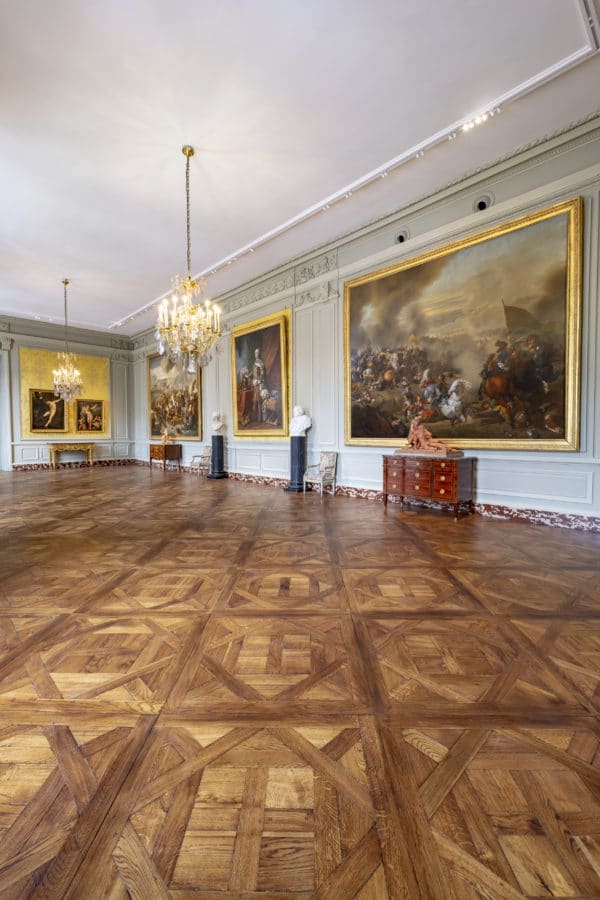
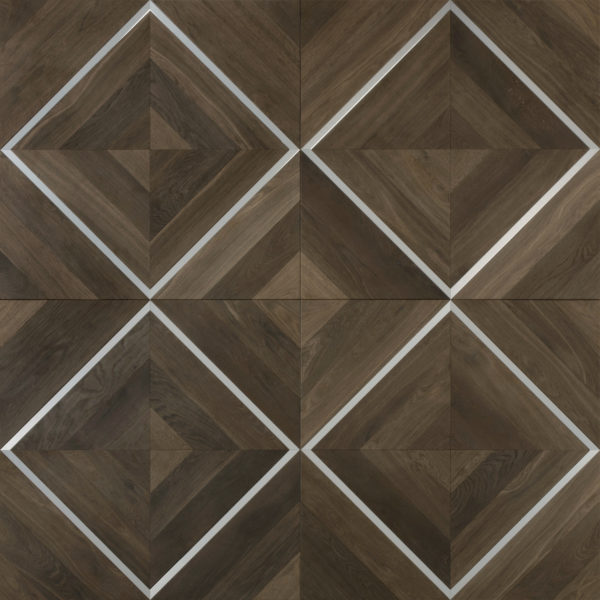
Semi-massive parquet
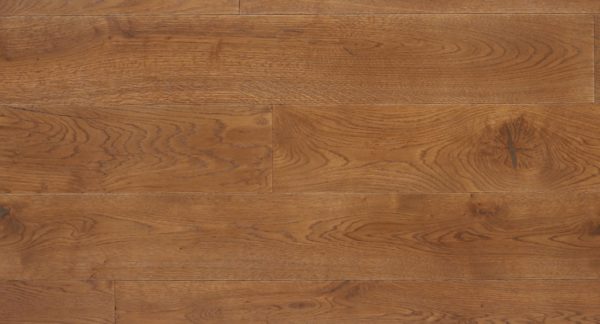
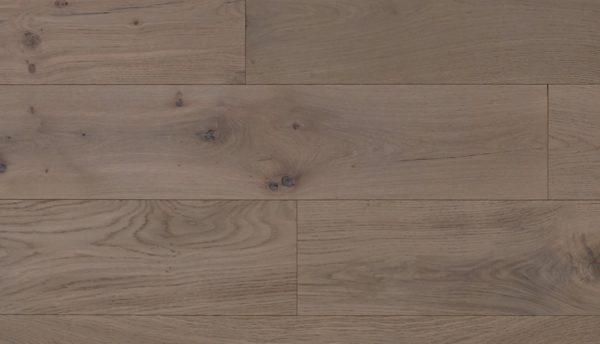
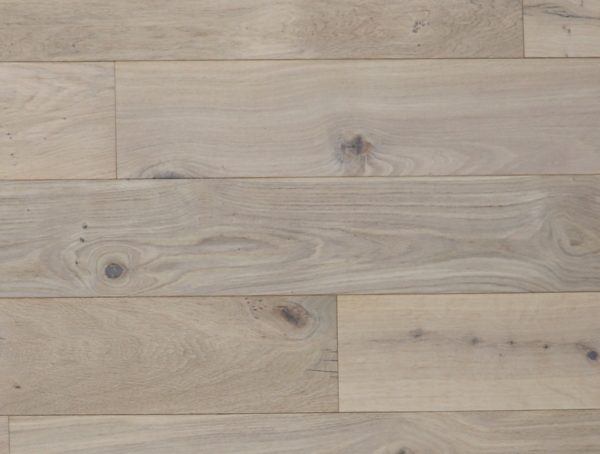
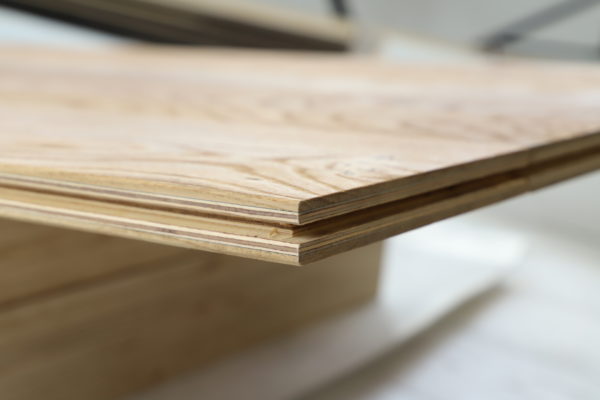
Semi-massive parquet (Loft Pro) is the ideal alternative for those who want the renewability of solid parquet and the stability of engineered parquet. Produced on a multi-layer plywood base offering unrivalled stability, semi-massive parquet is faced with a wood thickness of between 3.2 mm and 7 mm. The result is a semi-massive parquet floor that is extremely resistant and stable.
What is a semi-massive parquet floor?
A semi-massive parquet floor is made up of two layers of wood: a top layer of solid wood and a multi-layer plywood backing.
The top layer of solid wood:
This is the visible part of the floor and the one you walk on. This layer is made of solid wood a few millimetres thick (between 3.2 and 7 mm). It has the authentic look of wood and can be sanded and refinished several times.
Multi-layer plywood backing:
Located below the solid wood layer, this layer is made up of several layers of wood pressed together (plywood). It is designed to increase the stability of the parquet and limit the risk of warping due to variations in humidity and temperature.
What type of wood should I use for a semi-massive parquet floor?
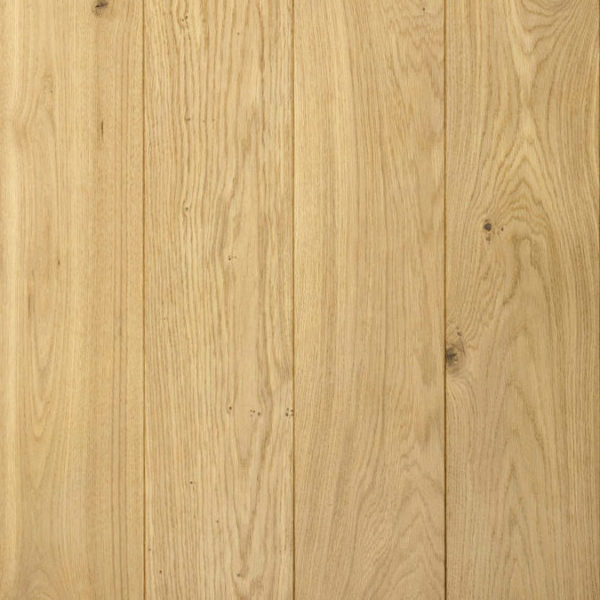
Oak is the wood species most frequently used for semi-massive parquet. Other types of wood are also available.
- Semi-massive hardwood flooring: Acacia, US Maple, Walnut, Ash, Thermo Ash.
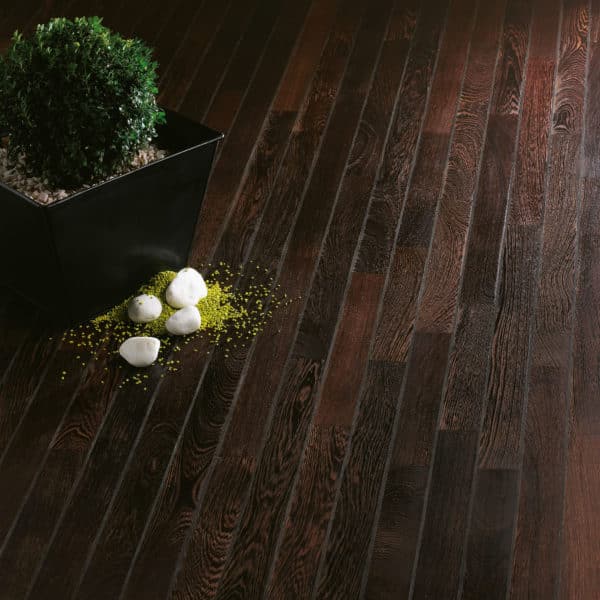
- Semi-massive exotic parquet: Afromosia, Amarante, Cabreuva, Cumaru, Doussié, Iroko, Jatoba, Merbau, Padouk, Teck, Wengé.
It’s important to select a wood species that matches your style and interior design preferences, taking into account the intended use of your semi-massive floor. It is also advisable to check that the wood species is suitable for your environment and intended use, as resistance to wear, water and scratches can vary between wood species.
The advantages of semi-massive parquet
Aesthetic appearance of solid wood: once laid, the appearance of semi-massive parquet is similar to that of solid parquet.
- Stability: The intermediate layer of plywood provides excellent stability.
- Cost: Compared to solid parquet, semi-massive parquet is often less expensive, while offering a similar appearance once laid.
- Ecology: Less material consumption
Choosing semi-massive parquet :
When choosing a semi-massive parquet floor, there are several characteristics to take into account. At Design Parquet you can choose :
- The type of wood: oak (the type of wood most frequently used for semi-massive parquet), hardwoods and exotics.
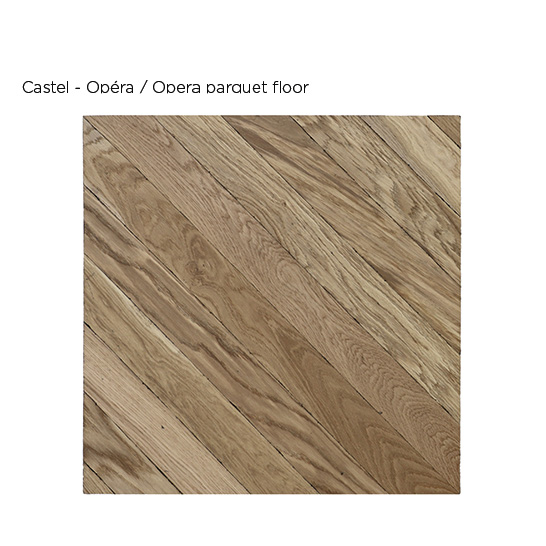
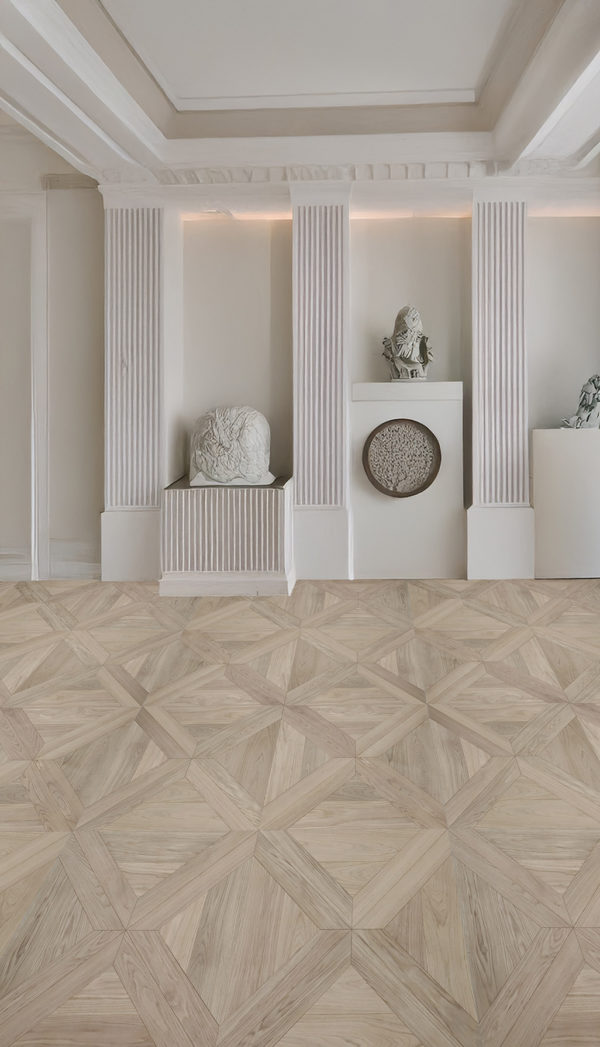
- The laying pattern: English style, French style (3 widths), herringbone, broken stick, etc.
- The thickness, length and width of semi-massive parquet
- The surface appearance of the semi-massive parquet: rough, brushed, structured, aged, light sawn, strong sawn.
- The finish: unfinished, oiled, varnished and rock varnished.
To sum up, when choosing a semi-massive parquet floor, it’s important to take into account multiple criteria such as the colour, the size of the boards and the finish. In the case of unfinished semi-massive parquet, the floor will need to be sanded before the application of a site finish of your choice.
How to lay semi-massive parquet
The choice between floating, glued-down or nailed-down installation for a semi-massive floor depends on a number of factors, including the layout of the room, the type of sub-floor and personal preferences. Here is some information to help you choose the most suitable installation method for your semi-massive parquet.
Glue-down installation of semi-massive parquet:
The most frequently used installation method for semi-massive parquet. With glue-down installation, the parquet is fixed to the subfloor. A glue is applied to the floor using a notched trowel before assembling the boards. This laying method is suitable for underfloor heating.
Floating installation of semi-massive parquet:
Floating installation consists of laying the parquet boards on an insulating underlay, without fixing them to the floor (the parquet is not attached to the subfloor). The boards are fitted together using a clip system (mechanical hold down) or tongue and groove. In the case of tongue-and-groove assembly, the boards are glued together using a bottle glue.
Nail-down installation of semi-massive parquet:
When nailed down, semi-massive parquet must be at least 20 mm thick. Nail-down installation can be carried out in two ways: on sealed joists or on floating joists.
The dimensions of a semi-massive parquet floor:
Design Parquet adapts to your wishes, we can vary the dimensions (thickness, width, length) of the strips of semi-massive parquet according to your desires.
- The thickness of a semi-massive parquet floor is often between 12 mm and 20 mm.
- The width of a semi-massive parquet floor is often between 90 and 220 mm.
- The length of a semi-massive floor is often between 500 mm and 2200 mm.
It should be noted that board dimensions vary according to the installation pattern.
What are the installation patterns for semi-massive parquet?
Here are some common installation patterns for semi-massive parquet:
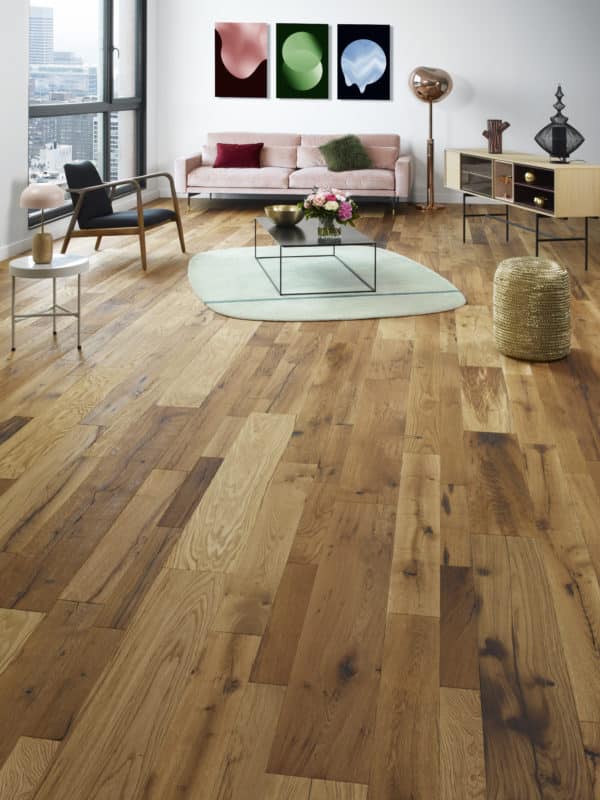
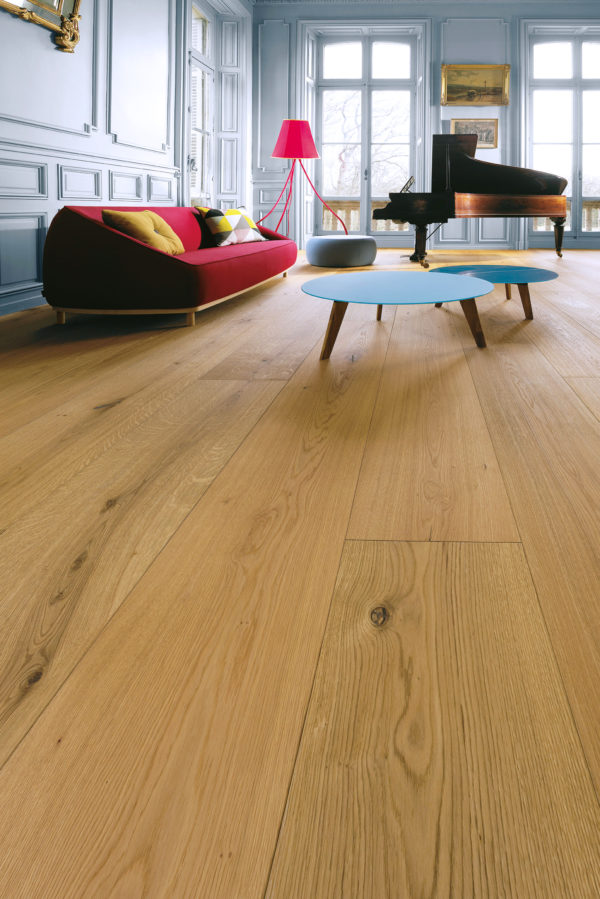
- Longstrip (or lost cut): The strips of semi-massive parquet are laid in a single direction. This is the simplest and most classic installation method and is suitable for most rooms.
- French style semi solid parquet (3 widths): French style installation of semi-massive parquet in three widths is an elegant and unique installation style. French style installation involves using strips of three different widths.
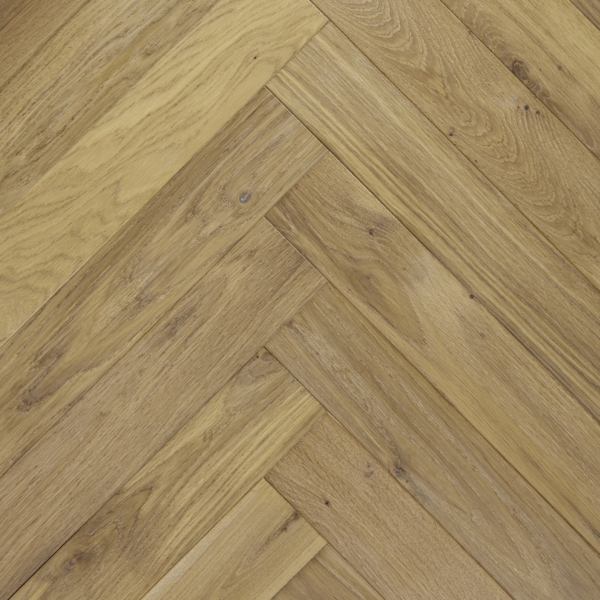
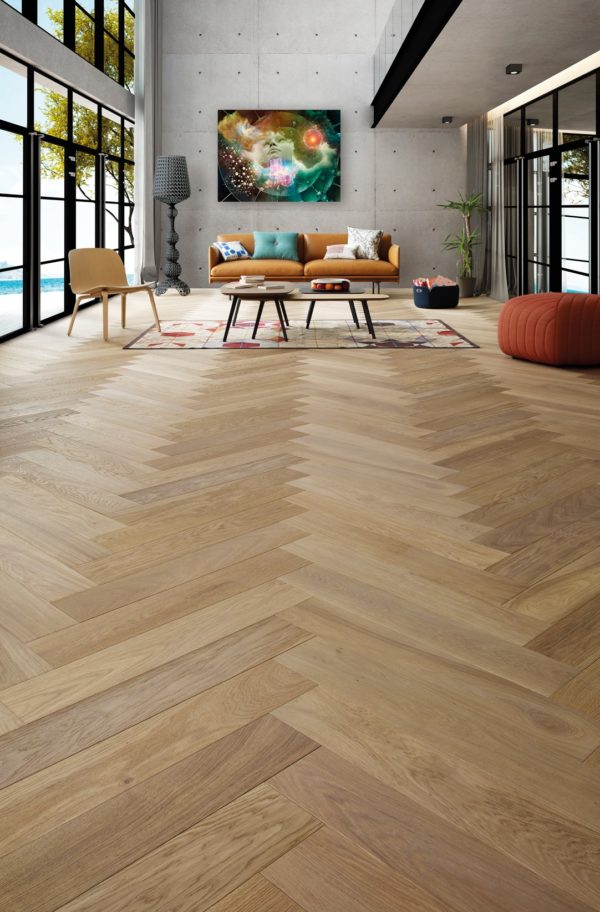
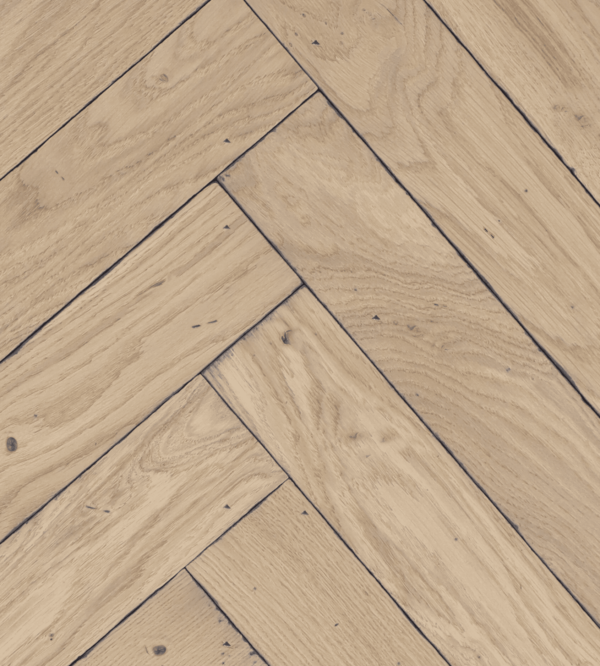
- Semi-massive herringbone parquet: The strips of semi-massive parquet are made up of parquet strips of the same length joined together at 90°.
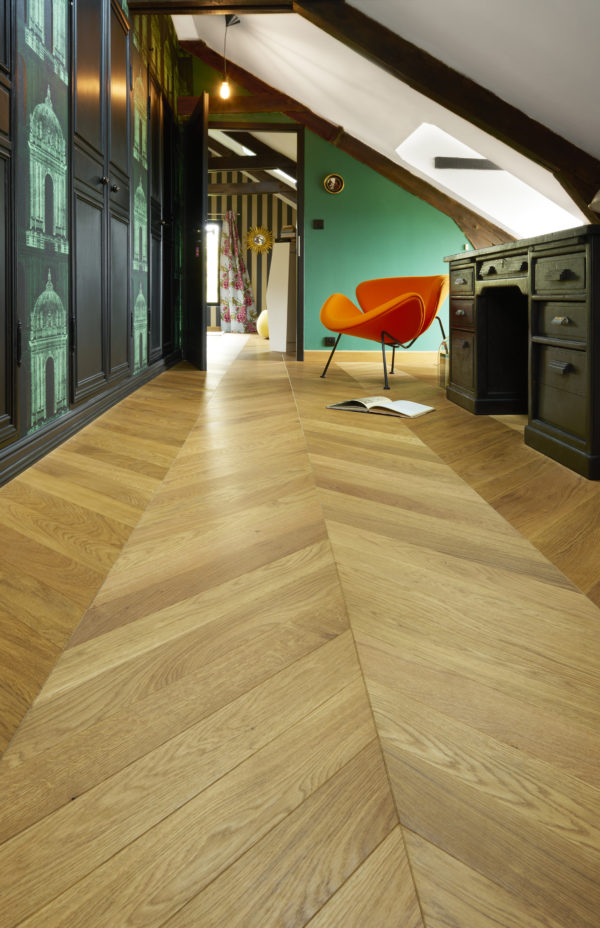
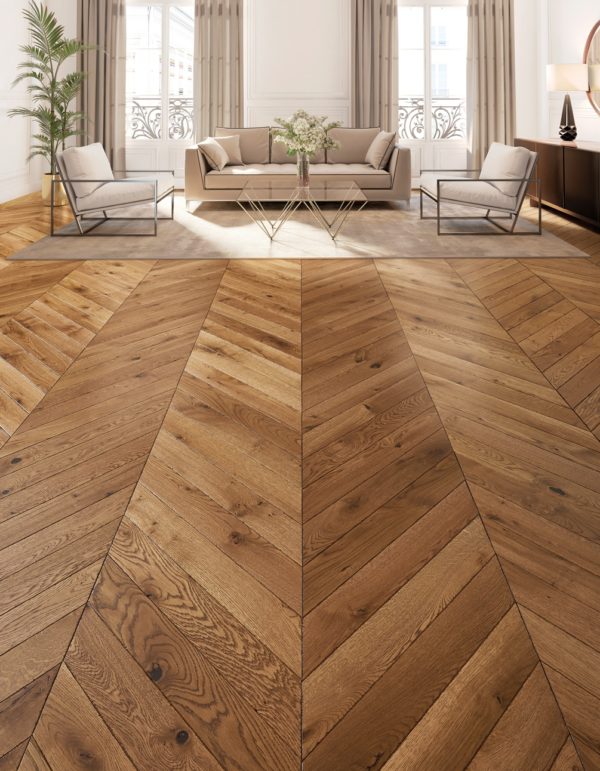
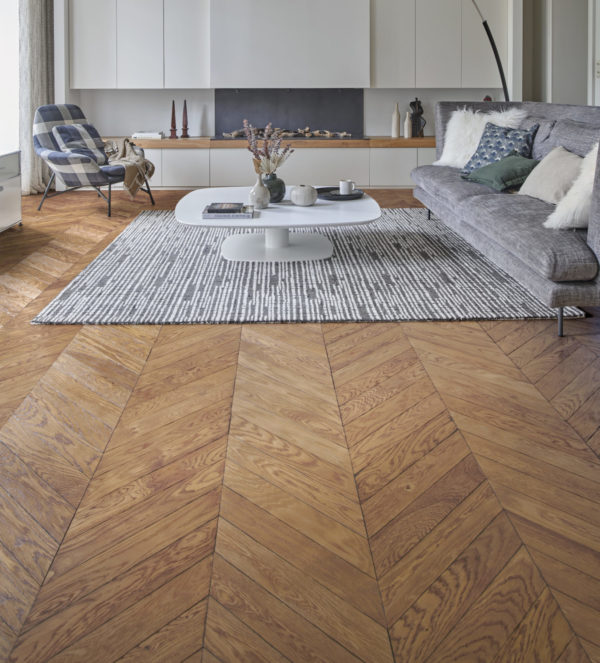
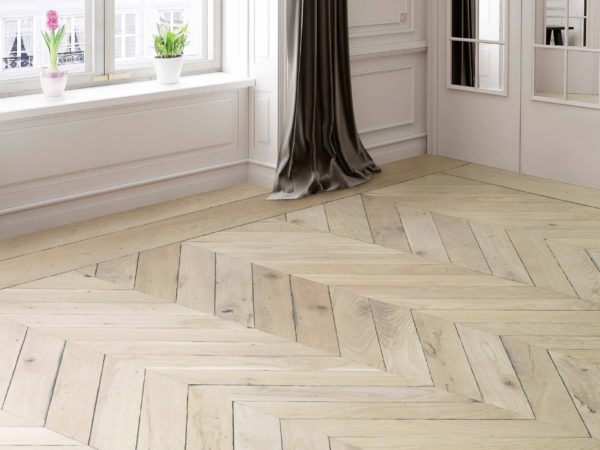
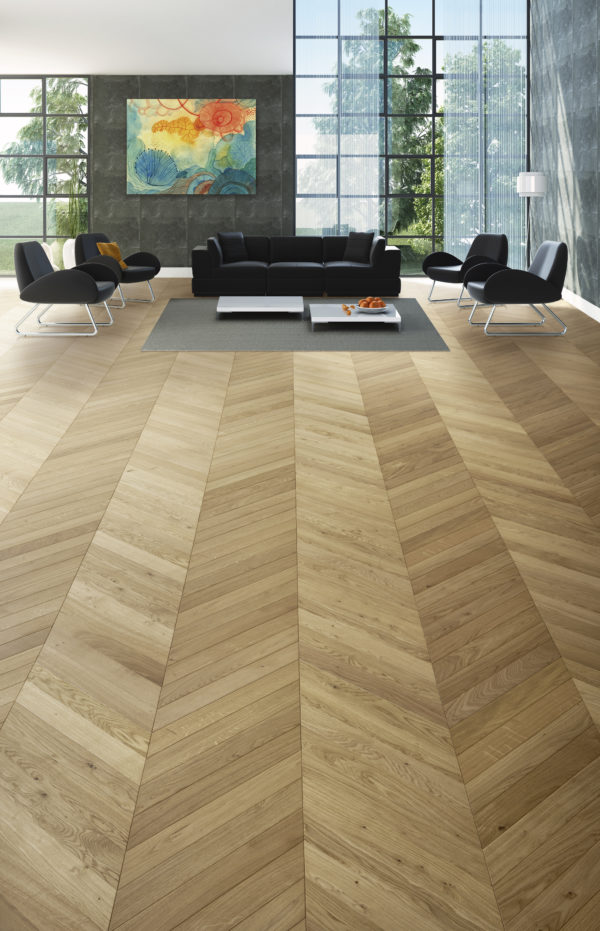
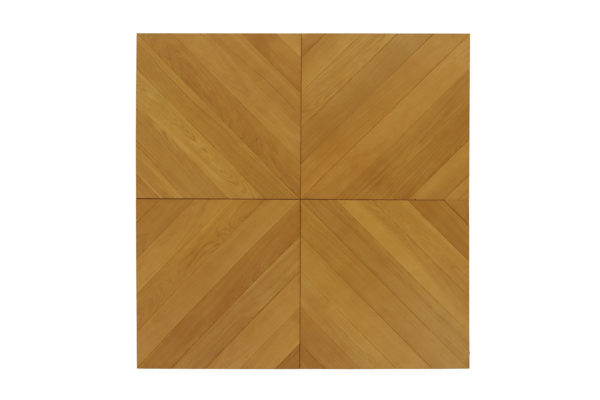
- Semi-massive Chevron parquet: The strips of semi-massive parquet (in oak or exotic wood) are laid at an angle that can vary from 35° to 55° depending on your requirements.
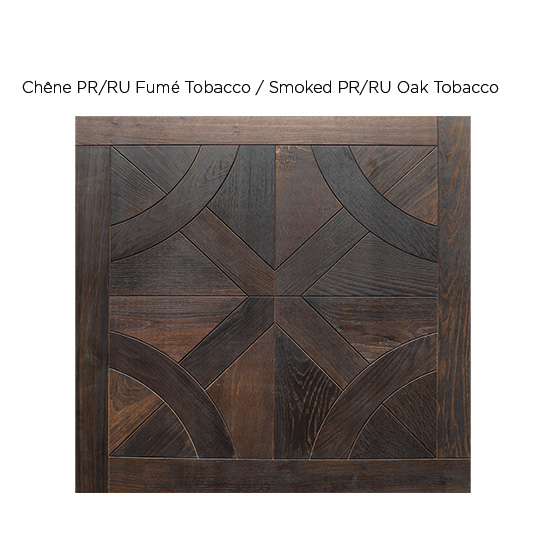
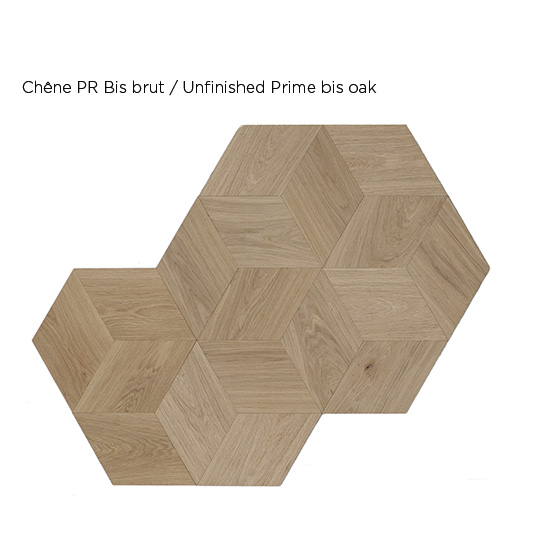
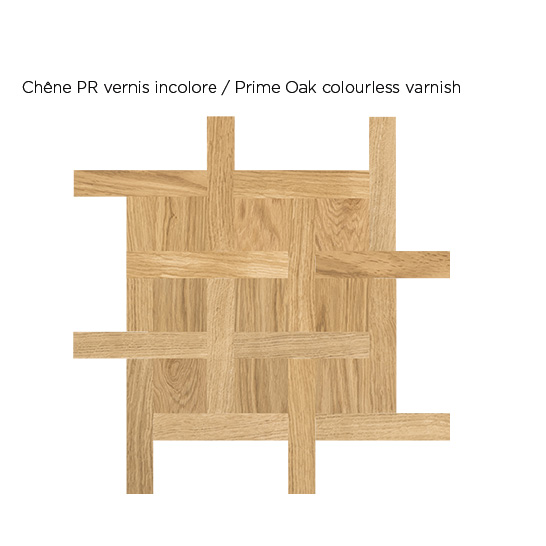
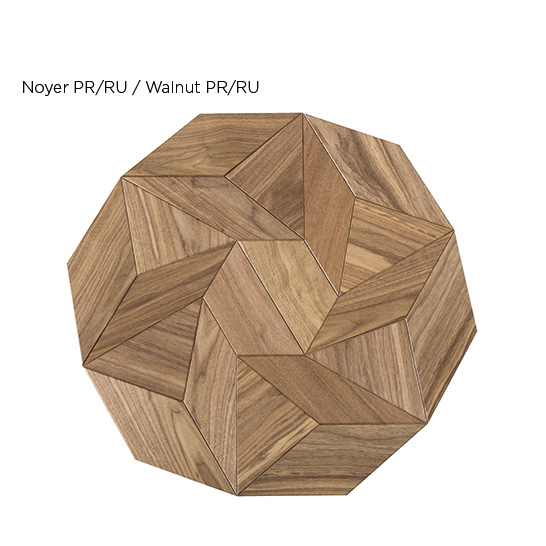
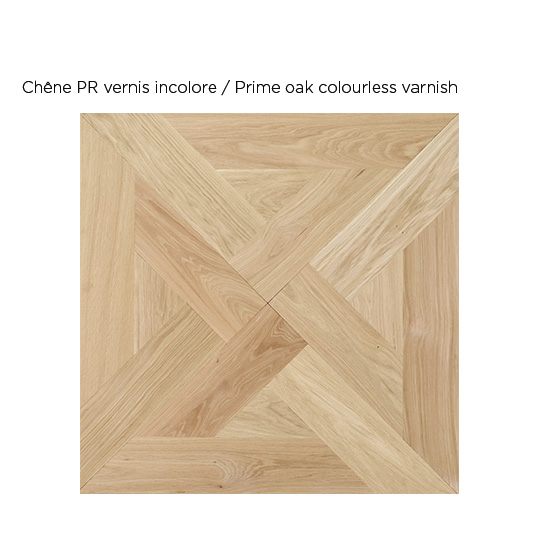
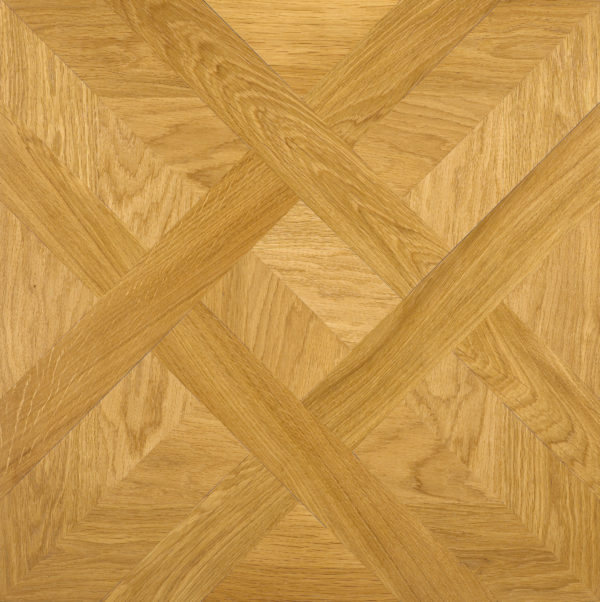
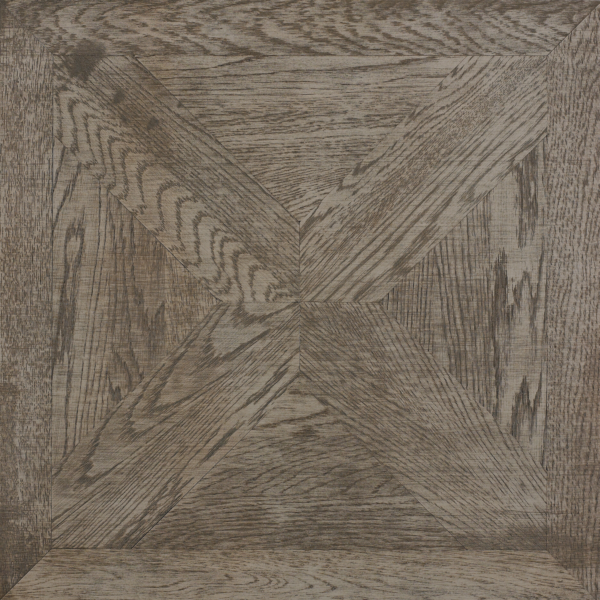
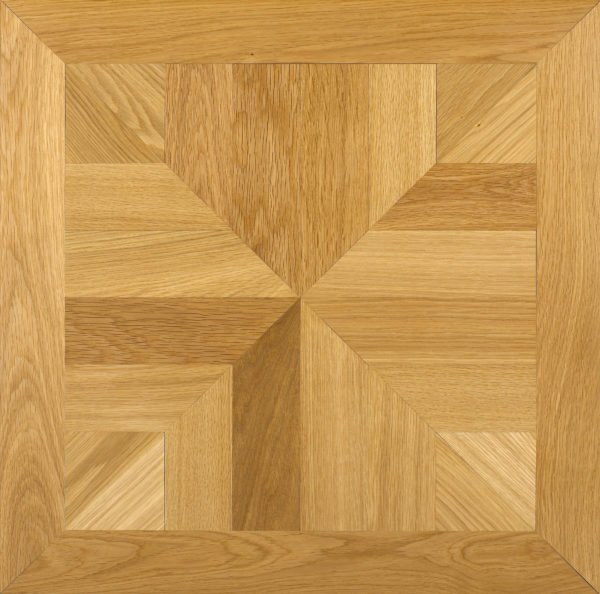
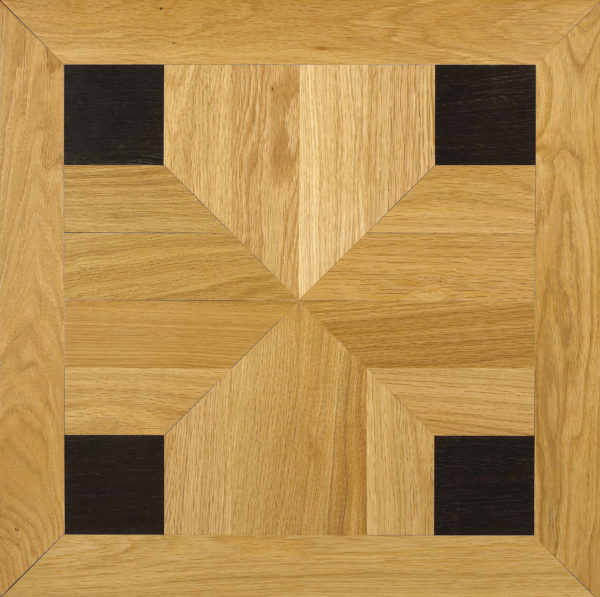
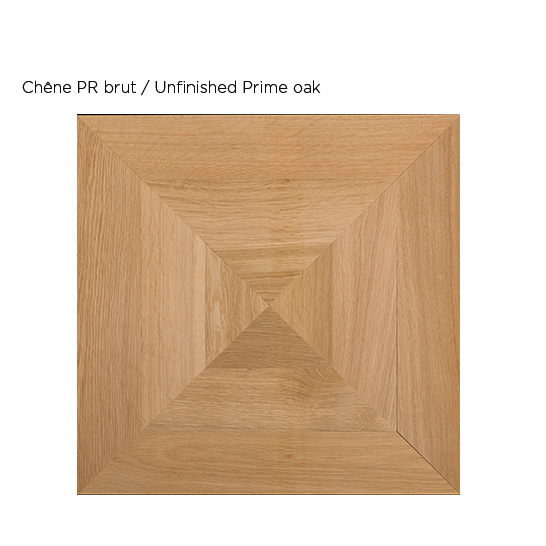
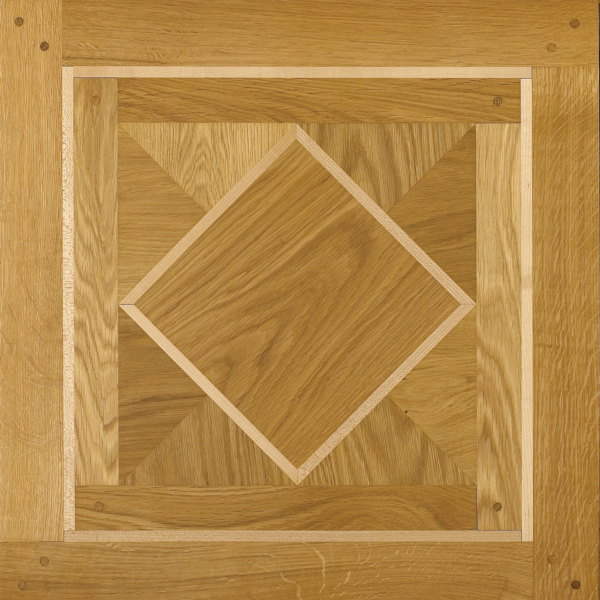
- Made-to-measure patterns in semi-massive: You can create more complex patterns, such as made-to-measure patterns or made-to-measure panels on a multi-layer plywood backing.
Oiled or varnished semi-massive parquet?
The choice between oiled or varnished semi-massive parquet depends on your aesthetic and maintenance preferences.
Oiled semi-massive parquet: Oiled semi-massive parquet has a natural, warm appearance. The oil penetrates the wood, nourishing it and protecting it from water and stains. This finish preserves the natural look of the wood, highlighting the grain and knots. An oiled parquet floor requires regular maintenance to maintain its appearance and resistance over time.
Varnished semi-massive parquet : Varnished semi-massive parquet offers longer-lasting protection against stains and scratches. The varnish forms a protective layer on the surface of the wood, making it more resistant to everyday wear and tear.
How much does a semi-massive floor cost?
The price of a semi-massive parquet floor can vary depending on a number of factors, such as the choice of wood, the type of wood, the thickness of the wear layer, the width, length and surface finish, etc. In general, the average price of a semi-massive parquet floor is between €60 and €150/m². It is important to consider all the quality and durability factors before choosing a semi-massive floor, as these can influence both price and longevity.
How do I maintain a semi-massive floor?
Here are a few tips on how to look after your semi-massive floor.
- On a daily basis, dust your semi-massive floor with a broom or hoover. Avoid using a hoover with a rotating brush to avoid damaging the parquet surface.
- For in-depth maintenance, we recommend using a cleaner specially designed for parquet. Apply the cleaner with a slightly damp cloth or mop. We recommend cleaning your floor no more than once a month. Never wash your floor with water. Do not use hot or lukewarm water.
- Always use clean, cold water and materials that do not run off.
Recommendations for using a semi-massive parquet floor:
- Use a brush mat at the entrance to retain as much sand and gravel as possible.
- Put protective pads (felt) under the legs of chairs and furniture.
- Protect the floor with a mat or translucent sheet if you are using furniture with castors.
- Irrespective of the hardness of the wood and the finish of your floor, there is a risk that it will sink in and be punched (as in the case of stiletto heels).
- Quickly wipe up any liquid spilled on the floor.
- Do not wash the floor with water.
- Do not use aggressive, abrasive, silicone or ammonia-based detergents.
 Certifications
Design Parquet is FSC-C016205 and PEFC certified
 Easy to maintain
Design Parquet offers products for the maintenance and cleaning of your parquet floor.
 Sustainability
Parquet, a sustainable and renewable floor covering.
 Eco-responsibility
Design Parquet is committed to an environmentally responsible approach.