


Engineered parquet Loft
 Filters
Refresh
Filters
Refresh
 Support
  Aesthetics
  Dimensions
 Width in mm
Can't find what you're looking for?
Download the catalogue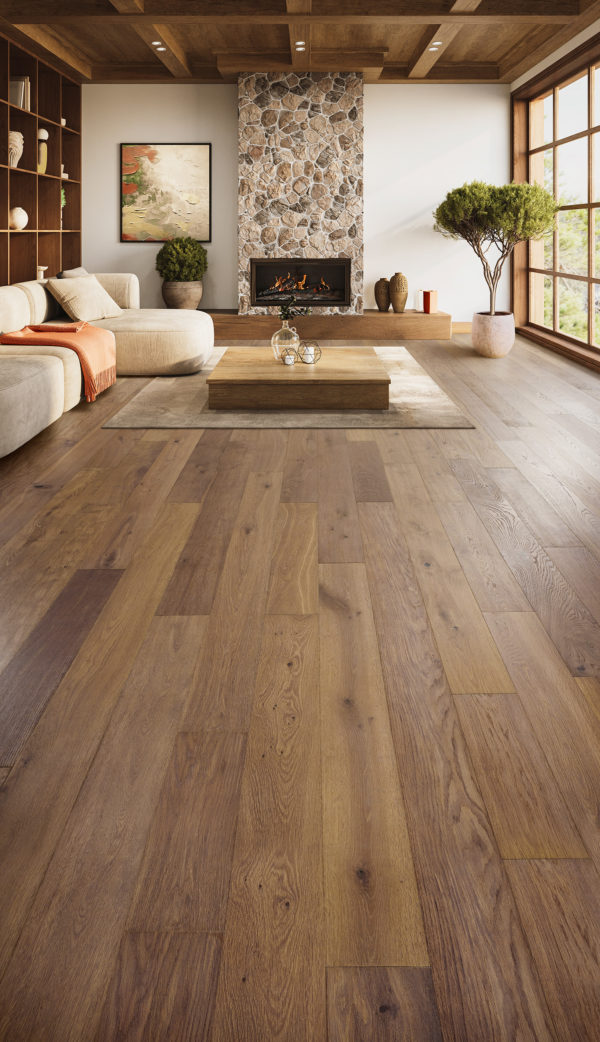

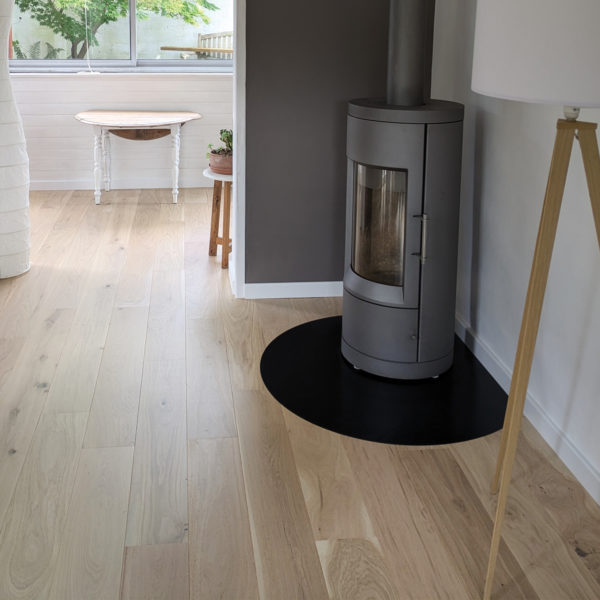
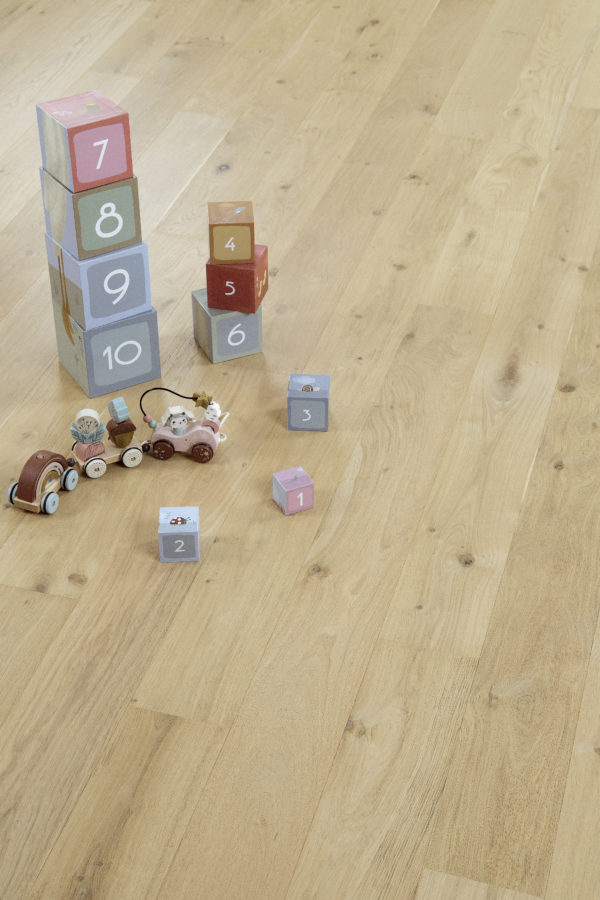
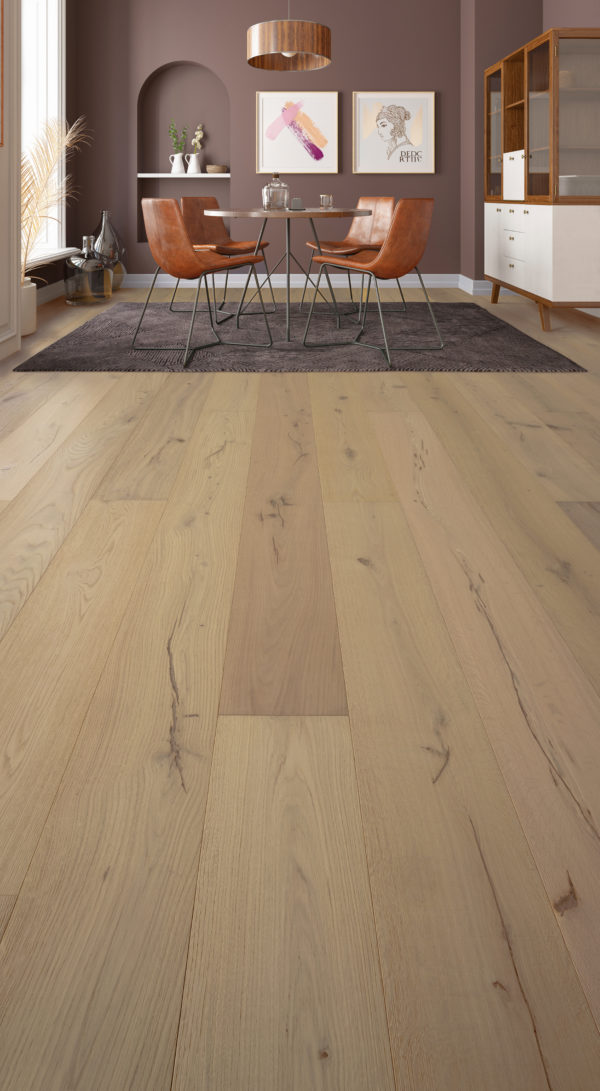
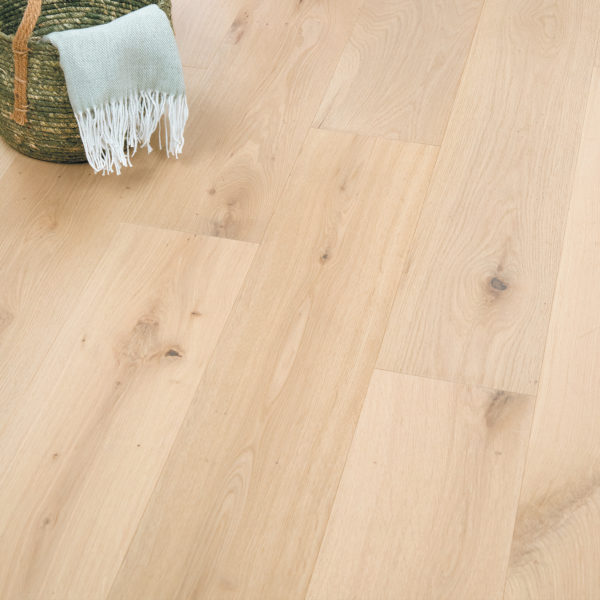
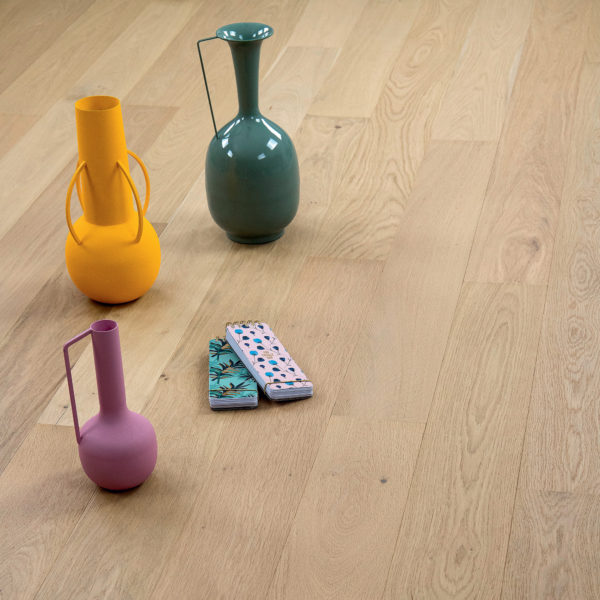
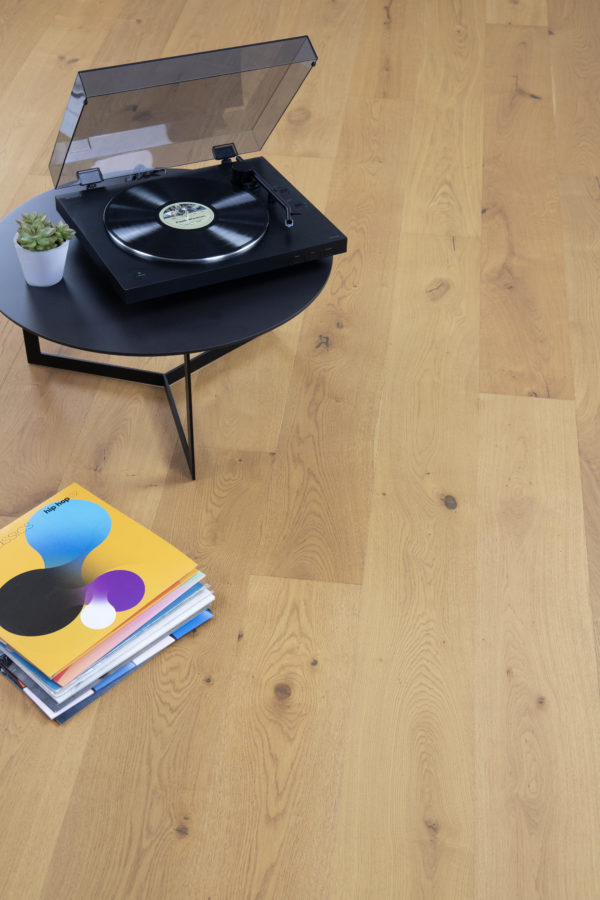
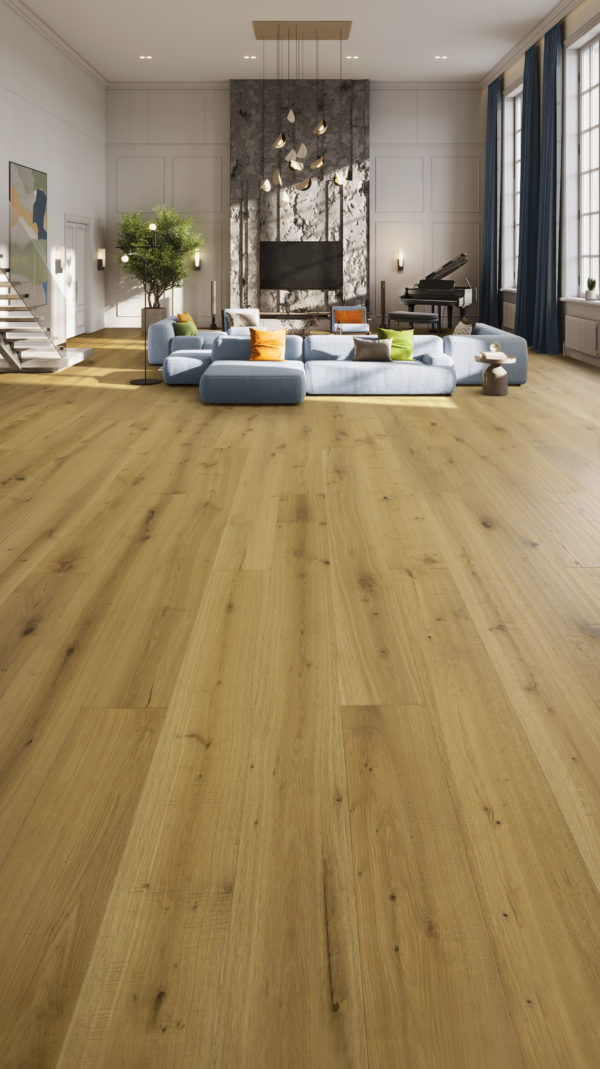
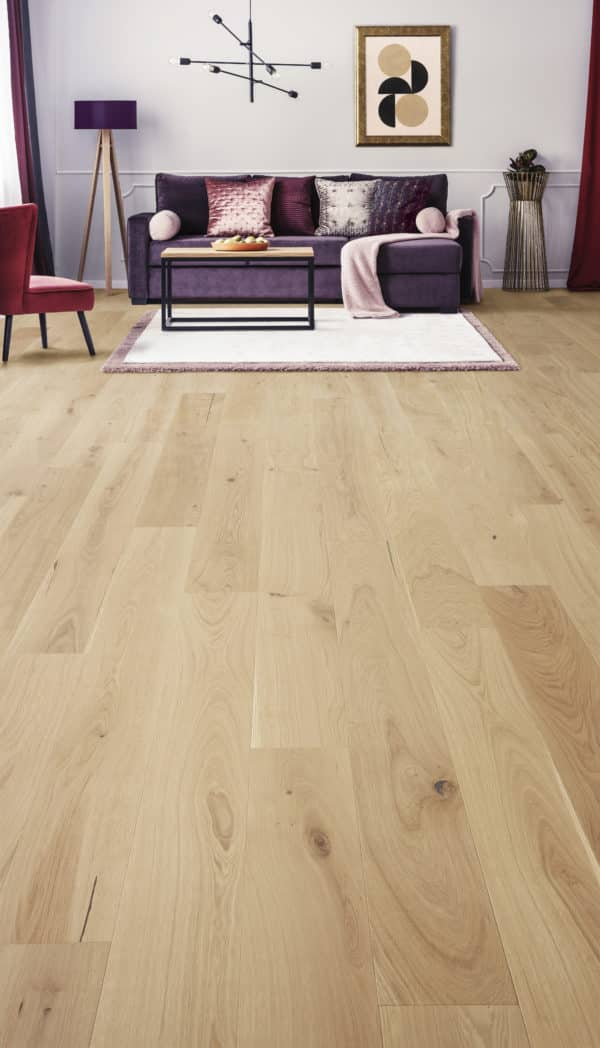
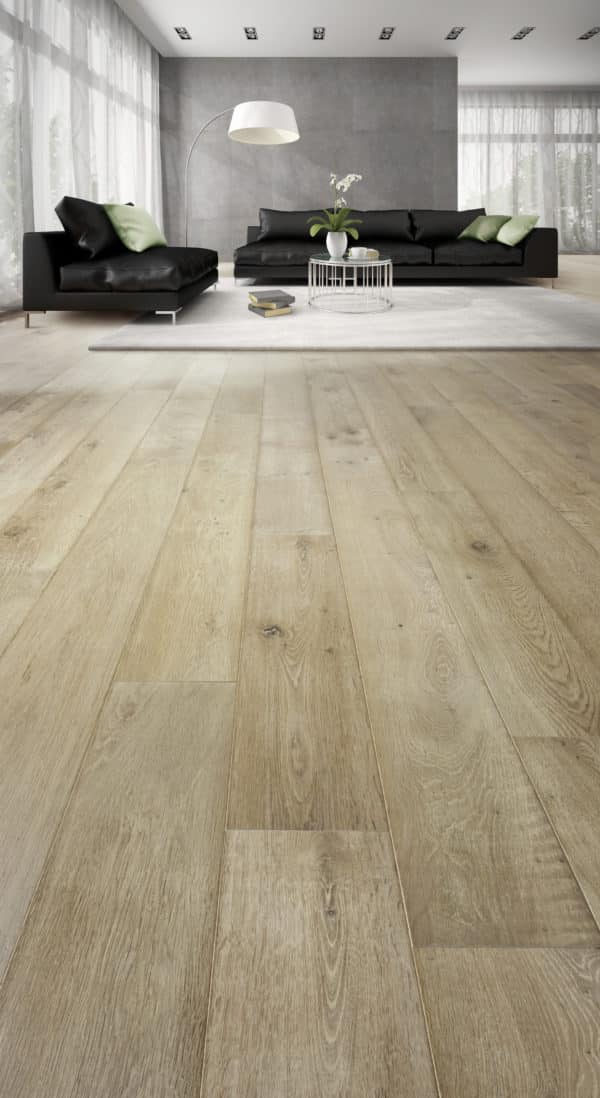
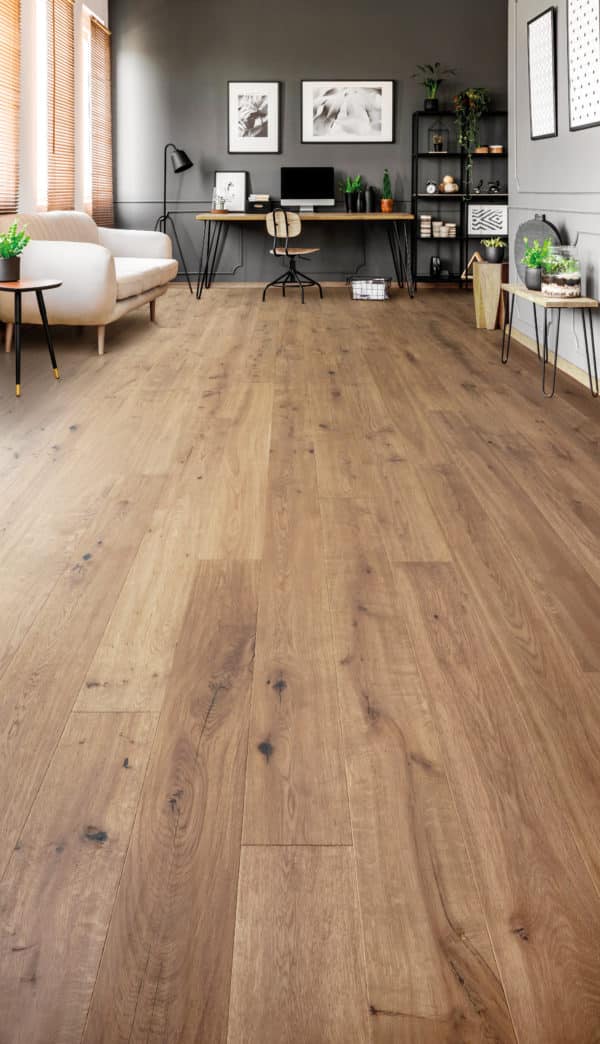
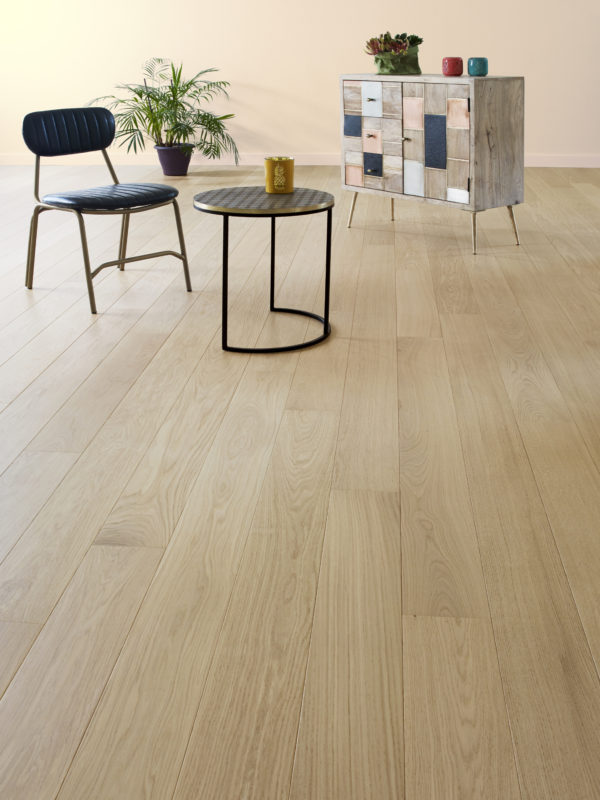
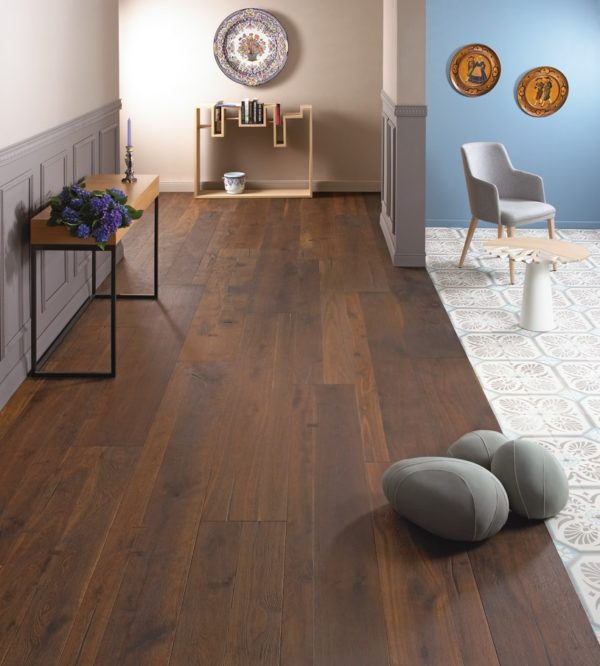
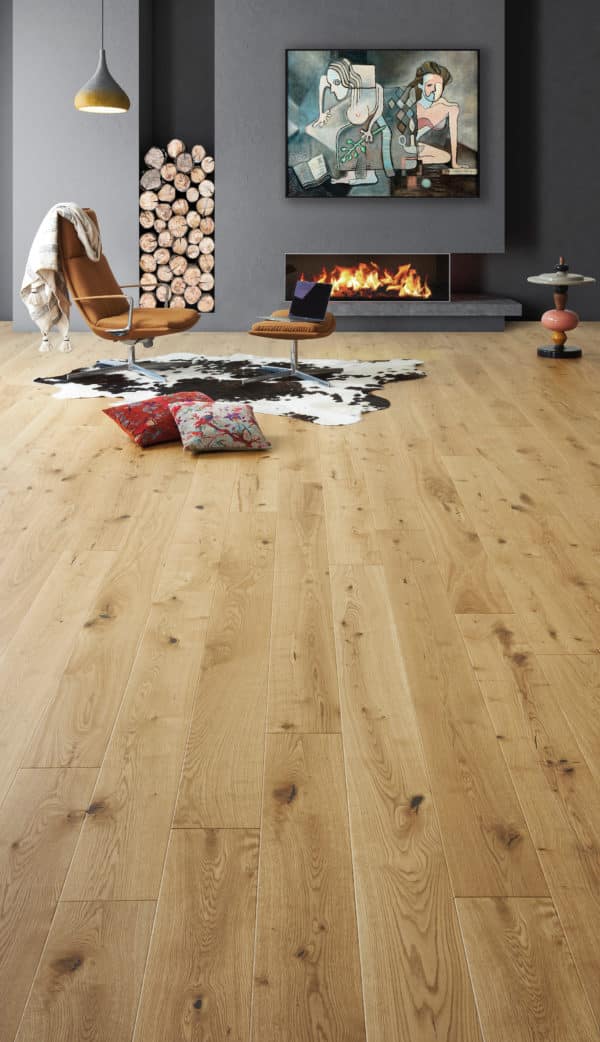
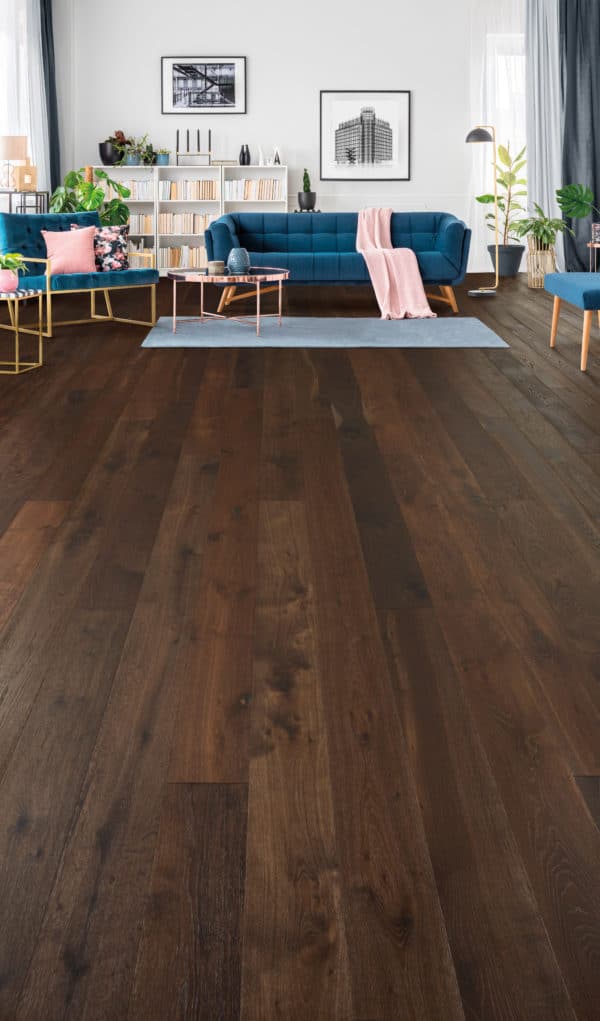

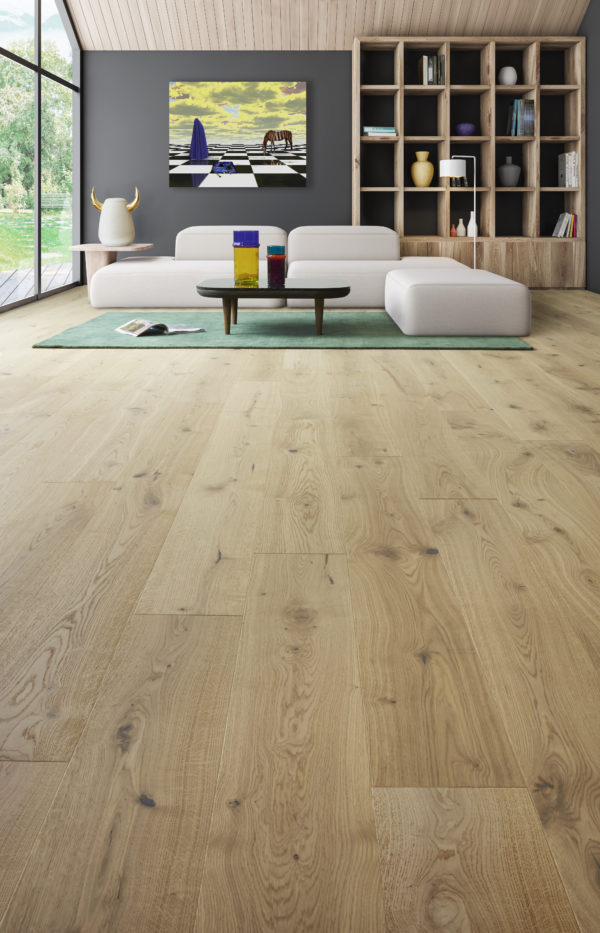
Engineered parquet
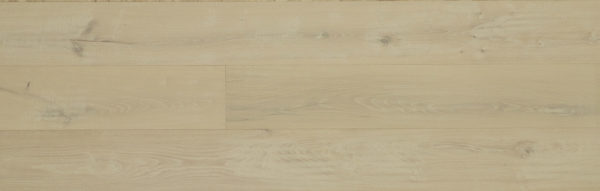
Engineered parquet (Loft) is made up of a plywood base on which a facing is laid. The thickness of the facing on engineered parquet is 2.5 mm. Engineered parquet can be laid floating or glued down, depending on your requirements.
What is engineered parquet?
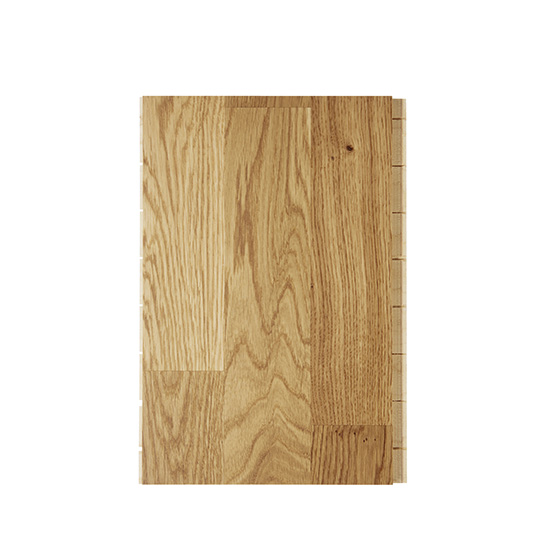
Engineered parquet is a floor covering made by gluing several layers of wood together. The top layer, called the facing or wear layer, is made of solid wood at least 2.5 mm thick. The second layer is made up of thin strips of wood known as slatted plywood, plywood or HDF. This combination gives engineered parquet a high level of stability.
What type of wood is best for engineered parquet?
Oak is the wood species most frequently used for engineered parquet. There are also other types of wood species.
- Hardwood engineered parquet: Acacia, US Maple, Walnut, Ash, Thermo Ash.
- Exotic engineered wood flooring: Afromosia, Amarante, Cabreuva, Doussié, Iroko, Jatoba, Merbau, Padouk, Teck, Wengé.
It’s important to choose a wood species that matches your style and preferences in terms of interior decoration, but also according to how you want to use your floor. You should also check that the wood species is suitable for your environment and intended use, as some species may be more or less resistant to wear, water or scratches.
Oak engineered parquet
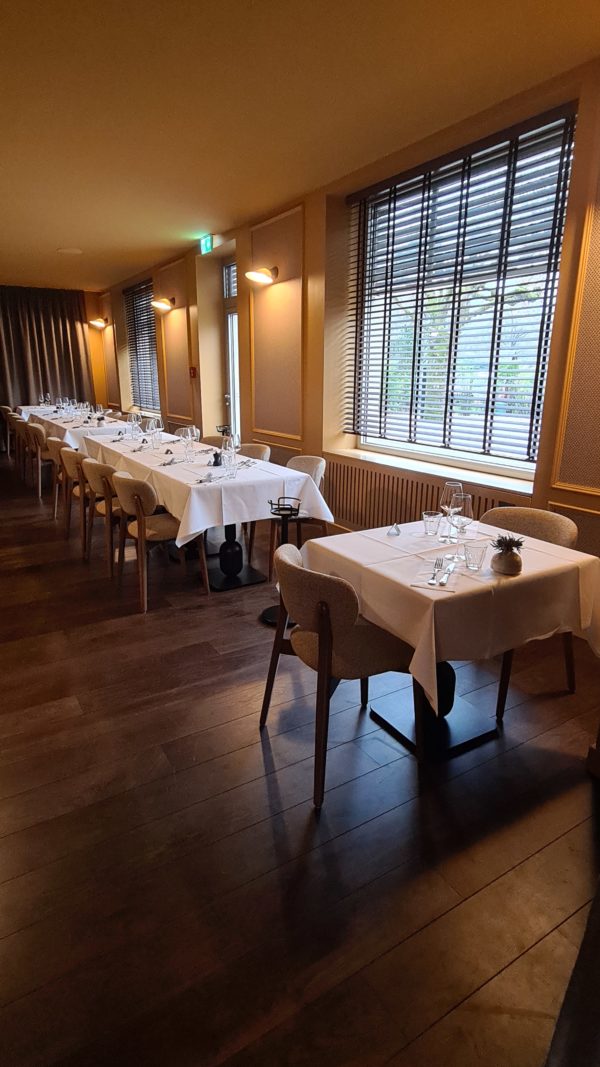
Oak engineered parquet is one of the most popular and highly appreciated types of parquet because of its beauty and durability. Oak is a hard, resistant wood species that can be laid for use in the living areas of a home, as well as in high-traffic, high-influence public areas.
Oak is available in a wide range of colours, looks, patterns and finishes, from light, natural shades to dark, rich colours and brushed or distressed surface finishes. Oak engineered parquet can be installed in almost any style of interior, from traditional to modern.
Oak engineered flooring is an excellent choice for a durable, stylish floor that adds value to your interior while offering great resilience and long life.
Exotic engineered parquet
Engineered parquet comes in a wide range of colours and patterns, from light blonde to dark brown and dark red. Exotic engineered parquet is manufactured in the same way as traditional engineered parquet, by gluing a layer of solid exotic wood to an engineered base. The most commonly used exotic wood species for engineered parquet are: Teak, Jatoba, Merbau and Doussié.
What are the advantages of engineered parquet?
Engineered parquet has the advantage of being more resistant to changes in humidity and temperature than solid parquet, as the plywood underlay provides excellent stability. Engineered parquet is often seen as a more affordable alternative to solid parquet, while offering a similar appearance once laid and a long lifespan since it can be renovated. For more information, see our article Choosing a subfloor: solid, semi-solid or engineered parquet.
How is engineered parquet laid?
The choice between a floating or glued-down installation for engineered parquet depends on a number of factors, including the layout of the room, the type of subfloor and personal preferences. Here’s some information to help you choose the most suitable installation method for your engineered parquet. More advice in our article dedicated to laying solid, semi-solid or engineered parquet.
Floating installation of engineered parquet
The most frequently used installation method for engineered parquet. Floating installation involves laying the floorboards on an insulating underlay, without fixing them to the floor (the floor is not attached to the subfloor). The boards are fitted together using a clip system or tongue and groove system.
Glue-down installation
Glue-down installation involves applying a special glue to the floor, then gluing the boards to the parquet. This installation method is recommended for rooms with high humidity levels or rooms with wide temperature variations. Glued-down installation also provides better sound insulation.
Varnished engineered parquet
Varnished engineered parquet offers longer-lasting protection against stains and scratches. The varnish forms a protective layer on the surface of the wood, making it more resistant to everyday wear and tear.
In short, the choice between an oiled or varnished finish for your engineered wood floor will depend on your personal taste and the aesthetic effect you want to create in your room. If you’re looking for a natural finish and are prepared to regularly maintain your engineered wood floor, an oiled finish may be the best choice. If you want less maintenance and greater resistance to stains and scratches, opt for a varnished finish.
How much does engineered parquet cost?
The price of an engineered parquet floor can vary depending on a number of factors, such as the choice of wood, the type of wood, the thickness of the wear layer, the width, length and surface finish, and so on. In general, the average price of engineered parquet is between €50 and €100/m². It’s important to consider all the quality and durability factors before choosing a parquet floor, as these can influence both price and longevity.
 Certifications
Design Parquet is FSC-C016205 and PEFC certified
 Easy to maintain
Design Parquet offers products for the maintenance and cleaning of your parquet floor.
 Sustainability
Parquet, a sustainable and renewable floor covering.
 Eco-responsibility
Design Parquet is committed to an environmentally responsible approach.